 St. Petersburg Roofing
 Building Decks in Childs Park: What the Climate Actually Demands
Childs Park sits inland enough to feel a little removed from the immediate waterfront, but it's still squarely inside the same Pinellas County weather pattern as the rest of St. Petersburg: long, humid summers, intense year-round UV, sudden afternoon downpours, and the real possibility of hurricane-force wind during storm season. A deck built here isn't a weekend backyard project — it's an outdoor structure that has to survive sun exposure most of the country never sees, then hold together when a tropical system rolls through.
We've built and repaired decks across St. Petersburg neighborhoods, and Childs Park homes tend to share a few things in common: established tree canopy that adds shade but also drops debris and holds moisture, older housing stock where the existing structure wasn't necessarily built with today's fastener and footing standards, and yards where drainage matters because Florida's summer rain doesn't ease in — it dumps.
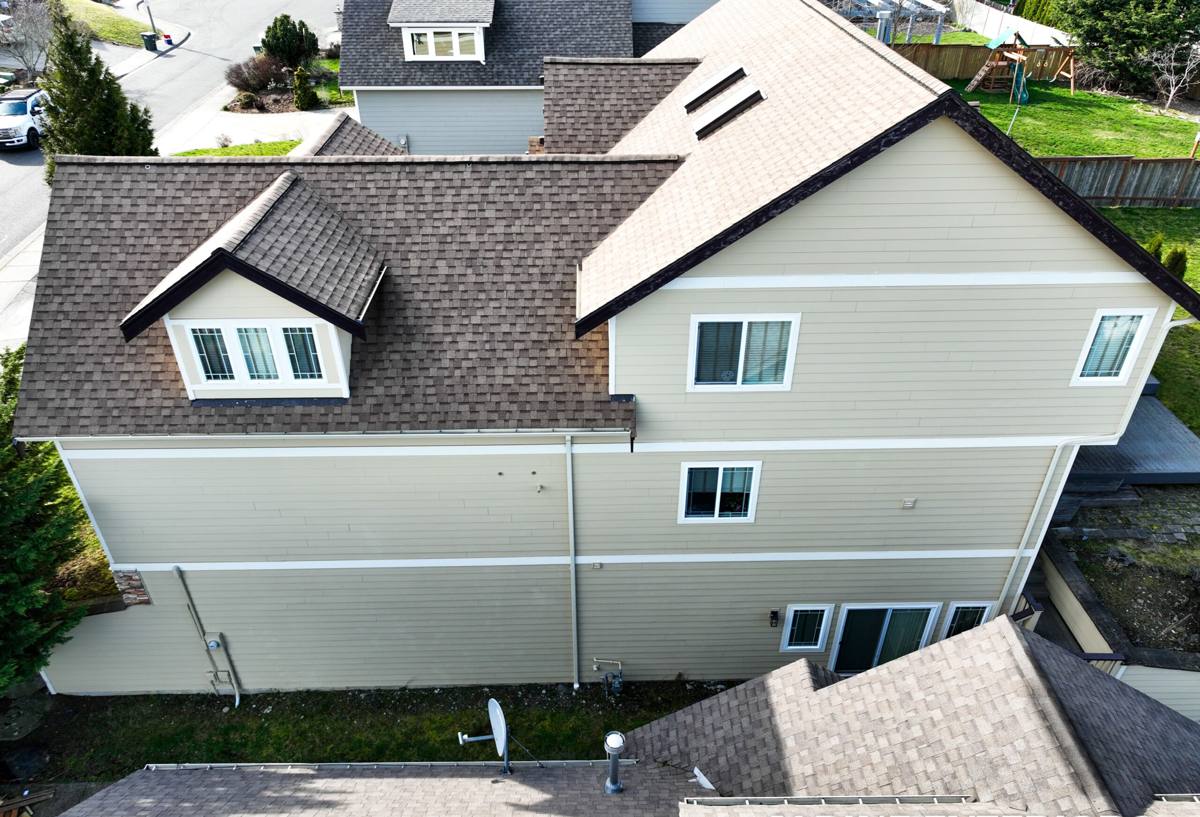
What a Correctly Built Deck Involves
A deck that lasts in this climate comes down to a handful of decisions made before the first board goes down. Skipping any of these is how you end up with a deck that looks fine for two years and then starts failing.
Footings sized for wind uplift, not just weight
Florida building code isn't just concerned with how much weight a deck can hold — it's concerned with how hard the wind can pull it up and sideways. Footings need to be sized and set to local frost-free depth requirements with proper concrete cure time, and post connections need uplift-rated hardware, not just toe-nailed lumber.
Ledger board attachment done right
The ledger board — where the deck ties into the house — is the single most common point of catastrophic failure on decks nationwide, and it's worse in a humid climate where moisture gets trapped behind improperly flashed ledgers. Correct flashing, proper lag or through-bolt spacing, and a gap or flashing tape to keep water from wicking into the house rim joist are non-negotiable.
Fasteners and hardware rated for coastal exposure
Standard galvanized hardware corrodes faster near the Gulf Coast than it does inland in most other states, thanks to salt air and near-constant humidity. We use stainless steel or coated fasteners rated for coastal/ACQ-treated lumber contact, because mismatched hardware is one of the fastest ways a deck starts failing from the inside out — long before it looks bad on the surface.
Spacing and fastening for expansion
Whatever decking material you choose, Florida's heat and humidity swings mean boards expand and contract more than they would in a drier climate. Gaps that are too tight buckle by year two; gaps that are too wide look sloppy and trap debris. Getting this dialed in is a matter of experience with the specific material in this specific climate, not just following a generic spec sheet.
Choosing a Deck Material for This Climate
There's no single "best" decking material — there's a best material for your budget, your maintenance appetite, and how much direct sun and rain exposure your particular yard gets. Here's how the common options actually perform in a St. Petersburg backyard.
| Material | Upfront Cost | Maintenance | How It Handles Our Climate |
|---|---|---|---|
| Pressure-treated pine | Lowest | Annual sealing/staining recommended | Affordable and strong, but UV and rain cycles will gray and check it faster here than up north — needs consistent upkeep |
| Composite decking | Mid to higher | Occasional washing, no sealing/staining | Handles UV and moisture very well; quality matters — cheaper composites can fade or warp in extreme heat |
| Tropical hardwoods (e.g., ipe) | Highest | Periodic oiling to maintain color | Naturally dense and rot-resistant, excellent in humidity, but heavy and requires experienced installation |
| PVC decking | Mid to higher | Low — occasional cleaning | Fully waterproof and unaffected by insects; some products get noticeably hot underfoot in direct summer sun |
For a lot of Childs Park homeowners, the honest trade-off is upfront cost versus five and ten years down the road. Pressure-treated wood is the budget-friendly choice, but only if you're genuinely going to reseal it on schedule — in this climate, a neglected PT deck ages faster than people expect. Composite and PVC cost more initially but remove most of the maintenance burden, which matters if you don't want a recurring weekend chore.
Sun, Rain, and Salt Air: The Three Things That Wear a Deck Down
Every deck we build in the St. Petersburg area is fighting the same three forces, just in different proportions depending on the yard's sun exposure and tree coverage.
- UV exposure: Florida gets more direct sun hours annually than most of the country, which breaks down wood fibers and fades color on any material faster than a similar deck up north.
- Wind-driven rain: It's not just how much rain falls — it's that storms here often drive rain sideways under railings and into joints that a vertical rain would never reach, which is why flashing and gapping details matter more here than in drier climates.
- Salt air corrosion: Even inland from the immediate coastline, the Gulf Coast's salt-laden air accelerates corrosion on any hardware that isn't rated for it — this is a slow, invisible process that shows up as rusted-out fasteners years before the visible wood fails.
Permitting and Local Code in St. Petersburg
Deck construction in St. Petersburg and unincorporated Pinellas County falls under Florida Building Code requirements, and most decks above a certain height or attached to the home require a permit and inspection — this isn't optional paperwork, it's what protects you if there's ever a wind event or an insurance claim down the line. Permitted work also matters at resale: an unpermitted deck addition can become a problem during a home sale inspection.
We handle the permitting process as part of the build, including pulling the permit, scheduling required inspections, and making sure the finished structure matches what's on file with the county. If a homeowner in Childs Park has an older, unpermitted deck already on the property, we can also assess it and let you know honestly whether it's a repair situation or something that needs to come down and be rebuilt to current code.
Our Process, Start to Finish
- Free on-site estimate. We walk the yard, look at grade and drainage, check how the deck would tie into the existing structure, and talk through what you actually want to use the space for.
- Design and material selection. We go over the material trade-offs above in the context of your budget and your yard's specific sun/shade pattern, then put together a clear scope and price.
- Permitting. We prepare and submit the permit package and schedule the required inspections so there are no surprises later.
- Site prep and footings. Proper layout, footing depth, and concrete cure time before framing ever starts — this is the step that gets rushed on cheap jobs and it's the one that matters most.
- Framing and decking installation. Ledger attachment, joist layout, and decking installed with the correct fastener pattern and expansion gaps for the material chosen.
- Railings, stairs, and final details. Code-compliant railing height and baluster spacing, finished stair stringers, and any built-in features discussed up front.
- Final walkthrough and inspection. We walk the finished deck with you, and the final county inspection closes out the permit.
Maintaining a Deck in Pinellas County's Climate
Whatever material you choose, a little seasonal attention goes a long way here. This is the realistic maintenance rhythm for a Gulf Coast backyard deck:
- Rinse debris and pollen off the surface periodically, especially under tree canopy where organic buildup holds moisture against the boards.
- Check hardware and railing connections at least once a year for corrosion or looseness — catching a rusted fastener early is a five-minute fix; catching it late can mean replacing a board.
- For wood decking, keep to a sealing/staining schedule rather than waiting until it visibly grays — by the time wood looks weathered, UV damage has already started.
- Keep gutters and downspouts near the deck clear so runoff isn't concentrating water at one corner of the footing area during heavy summer storms.
- After any major storm, do a quick visual check of railings and stair connections before the deck sees regular use again.
Why Hiring a Crew That Already Works Childs Park Matters
Deck building isn't identical everywhere. A crew that mostly works in drier, milder climates can build something structurally sound on paper and still hand you a deck that isn't set up for what a Pinellas County summer and hurricane season will actually put it through. Working regularly in St. Petersburg neighborhoods like Childs Park means we're not guessing at how a given material or hardware choice holds up here — we've seen what lasts and what doesn't, on homes with the same tree cover, the same soil drainage tendencies, and the same storm exposure yours has.
It also means faster, more accurate estimates. We're not learning local permitting requirements or drainage patterns on your project — we already know them, which keeps the process moving and avoids the kind of mid-project surprises that drive costs up.
Questions to Ask Any Deck Contractor Before You Hire
Whether you go with us or someone else, these are the questions worth asking upfront:
- Will you pull the permit and schedule the inspections, or is that on me?
- What fastener and hardware grade are you using, and is it rated for coastal/humid exposure?
- How are you handling the ledger board flashing where it meets the house?
- What footing depth and spacing are you using, and does it meet current Florida Building Code?
- What's the realistic maintenance schedule for the material we're choosing?
- Can I see examples of decks you've built in this area, not just photos from elsewhere?
If a contractor is vague or defensive about any of these, that's worth paying attention to. A crew confident in their work will walk you through every one of these without hesitation.
If you're thinking about a new deck or need an honest look at an existing one in Childs Park, we're happy to come take a look. The estimate is free, there's no pressure, and you'll get a straight answer about what your yard and budget actually call for — just fill out the form below to get started.