 St. Petersburg Roofing
 Deck Repair Built for Childs Park's Climate
A deck in Childs Park works harder than most people realize. It sits outside year-round in Pinellas County's heat and humidity, takes direct UV exposure for most of the day, and gets soaked repeatedly during Florida's wet season. Add in the occasional hurricane-force wind event and the salt-laden air that drifts across the whole St. Petersburg peninsula, and you have a structure that's constantly being tested from every angle. Decks don't fail all at once here — they fail gradually, in the joints, fasteners, and framing members that homeowners rarely inspect until something feels soft underfoot or a railing starts to wobble.
We repair decks in this neighborhood regularly, and the damage patterns are consistent enough that we can usually tell what we're going to find before we even pull up the first board. That familiarity matters, because deck repair done right is about diagnosing what's actually failing underneath, not just replacing whatever boards look bad on the surface.
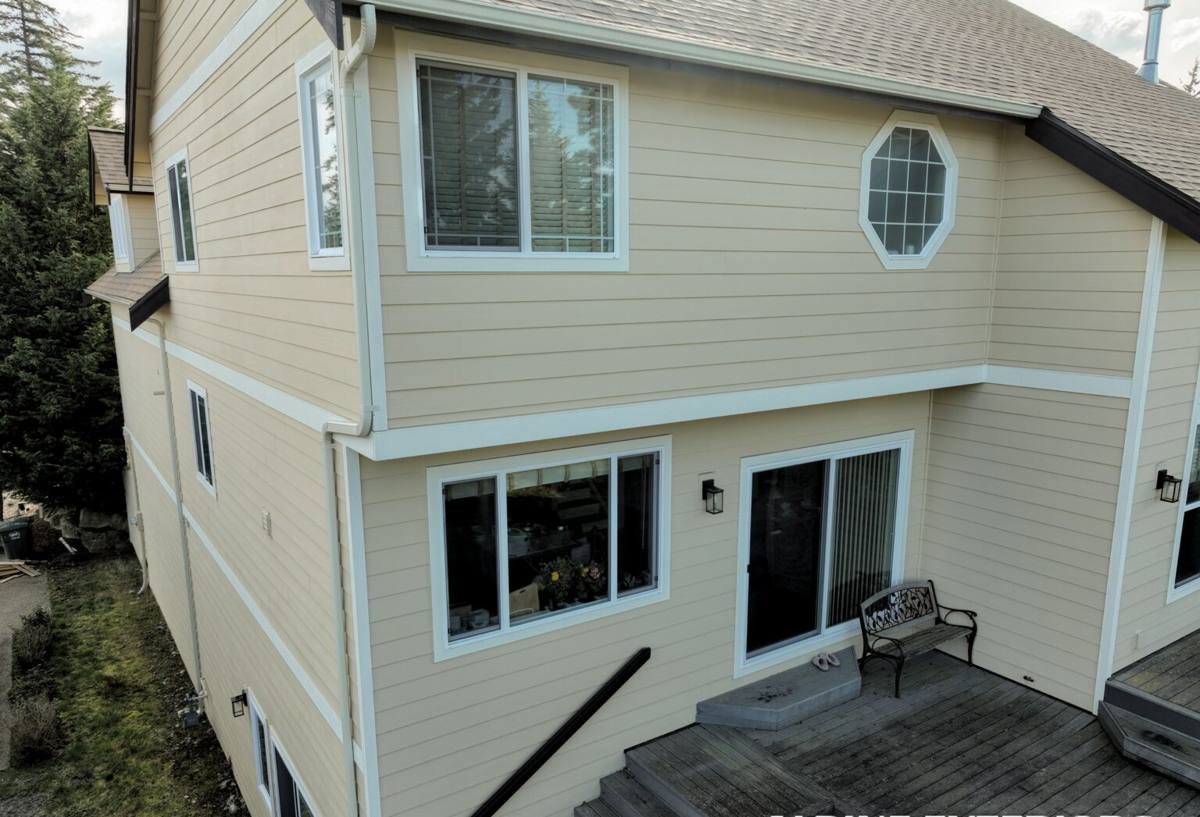
Why Decks in This Neighborhood Wear Down Faster
Childs Park is an established part of St. Petersburg, which means a lot of the decks here have been through more than one Florida summer and more than one tropical system. A few local factors accelerate wear on outdoor wood and composite structures in this area:
- Constant humidity keeps wood moisture content elevated even when it isn't raining, which speeds up rot in joists, beams, and ledger boards.
- Intense, year-round UV breaks down wood fibers and degrades sealants, finishes, and composite surface layers faster than in most parts of the country.
- Wind-driven rain forces water into fastener holes, board gaps, and the ledger connection where the deck meets the house — the single most common place we find hidden rot.
- Salt air, even away from the immediate waterfront, accelerates corrosion on nails, screws, brackets, and joist hangers, which weakens connections long before the visible wood looks bad.
- Seasonal storm winds stress railings, stair stringers, and ledger attachments, sometimes loosening hardware that then lets in more water.
None of this means a deck in St. Petersburg is doomed to fail — it means it needs to be built and repaired with these conditions in mind, not treated like it's in a mild, dry climate.
Common Problems We Find on Childs Park Deck Repairs
Structural Issues
The most serious problems are usually invisible from the top. Ledger board rot where the deck attaches to the house, corroded joist hangers, undersized or rusted fasteners, and posts that have softened at grade level are the issues that actually threaten safety. These don't always show obvious warning signs until the deck has already lost a meaningful amount of load capacity.
Surface and Cosmetic Issues
Cupped or splitting boards, graying and UV-faded finishes, popped nails, and loose railing balusters are more visible but usually less urgent — though they're often the first sign that moisture is getting into places it shouldn't.
Hardware Failure
Standard, uncoated fasteners and connectors corrode faster here than in drier inland climates. We regularly find decks where the boards themselves are still in decent shape, but the fasteners holding them down have rusted to the point of failure.
What a Correct Deck Repair Actually Involves
A repair that only addresses what's visible from above is a repair that will need to be redone. Doing it right means working from the structure outward:
- Inspecting the ledger board connection and the framing behind and beneath the deck surface, not just the boards themselves.
- Checking every joist hanger, post base, and structural fastener for corrosion or loosening — these are load-bearing connections, not cosmetic hardware.
- Identifying any wood that's soft, spongy, or discolored from moisture, since surface treatments can't fix rot underneath.
- Replacing failed structural members with appropriately rated lumber, not undersized substitutes.
- Upgrading fasteners and connectors to corrosion-resistant hardware where the existing ones are compromised.
- Addressing the surface — decking boards, railings, stairs — only after the structure underneath is sound.
Skipping straight to step six is how a deck ends up looking repaired while still being structurally unreliable. We won't put new boards over a framing problem, because it just hides the issue instead of fixing it.
Repair or Replace? Weighing the Factors
Not every deck problem calls for a full rebuild, and not every deck is worth patching indefinitely. The right call depends on how much of the structure is affected and how old the deck already is.
| Factor | Leans Toward Repair | Leans Toward Replacement |
|---|---|---|
| Extent of damage | Isolated boards, railings, or a single section | Widespread rot across framing and multiple areas |
| Ledger board condition | Solid, no signs of moisture intrusion | Soft, rotted, or improperly flashed |
| Age of the deck | Relatively recent, otherwise well-maintained | Original structure is decades old |
| Fastener/hardware condition | Localized corrosion | Widespread hardware failure throughout |
| Budget priority | Extend usable life affordably | Long-term reliability and updated code compliance |
We'll always give you an honest read on which side of this table your deck falls on before recommending a scope of work. A deck that's structurally sound but cosmetically tired is a very different job than one with compromised framing.
How Our Repair Process Works
1. On-Site Inspection
We walk the entire deck, check underneath where accessible, test the ledger connection, and probe wood in areas prone to moisture — around posts, near the house, and at board ends and fastener points.
2. Clear Scope and Explanation
You get a straightforward explanation of what's failing, why, and what it will take to fix it correctly — including what's optional versus what's a safety issue that shouldn't wait.
3. The Repair Itself
We address structure first, then hardware, then surface materials. Any framing member that's compromised gets replaced, not patched.
4. Final Walkthrough
Before we consider the job done, we walk it with you so you know exactly what was repaired and what to keep an eye on going forward.
Materials We Use and Why
For structural framing, we use pressure-treated lumber rated for ground contact where applicable, since anything less doesn't hold up to Pinellas County's moisture levels over time. For fasteners and connectors, we use corrosion-resistant, coated hardware rated for treated lumber and coastal-influenced climates — standard hardware corrodes too quickly in this air to be a responsible long-term choice.
For decking surfaces, both quality pressure-treated wood and composite decking have their place. Wood costs less upfront and is straightforward to repair board-by-board, but it needs regular sealing and inspection to hold up to our sun and rain cycles. Composite costs more initially and resists UV fading and moisture damage better, but it still depends entirely on a sound structure underneath — composite boards on a rotted frame is not a repair, it's a cosmetic cover-up. We'll walk you through the real trade-offs for your specific deck rather than pushing one material as a default.
Maintenance That Extends the Life of a Repair
A good repair lasts longer when it's paired with basic upkeep. Between service visits, homeowners in this area should:
- Sweep debris off the deck surface regularly so moisture doesn't get trapped against the boards.
- Check for standing water after heavy rain, especially near the ledger board and post bases.
- Inspect railings and stairs for looseness a couple of times a year, particularly after storms.
- Reseal or refinish wood decking on a regular schedule to protect against UV and moisture damage.
- Trim back vegetation that keeps the deck surface shaded and damp longer than it should be.
- Have any soft spots, popped fasteners, or discoloration looked at promptly rather than waiting.
Permits and Local Code Considerations
Structural deck repairs — particularly anything involving the ledger board, framing, or footings — can fall under permitting requirements in St. Petersburg and Pinellas County depending on the scope of work. We handle that process as part of the job so you're not left figuring out what's required on your own. Cosmetic work like board replacement or refinishing typically doesn't require the same level of review, but we'll always tell you upfront if your repair crosses into permitted territory.
Why Local Experience in Childs Park Matters
A crew that already works in this neighborhood knows what a typical deck here has been through — the humidity cycles, the sun exposure, the storm seasons — and isn't guessing at how the framing has held up over the years. That familiarity shows up in faster, more accurate inspections and repair recommendations that fit what actually works in St. Petersburg's climate, instead of generic advice pulled from a different region entirely.
If your deck in Childs Park has soft spots, loose railings, or just needs an honest assessment of what shape it's really in, we're glad to take a look. Reach out for a free, no-pressure estimate using the form below.