 St. Petersburg Roofing
 Siding in Childs Park Has to Work Harder Than Siding Almost Anywhere Else
Childs Park is one of St. Petersburg's established, mostly single-family neighborhoods, and like the rest of Pinellas County, it sits in a climate that is genuinely rough on the exterior of a house. Hurricane-force wind events, sustained wind-driven rain, near year-round UV exposure, and salt-laden air moving in off the surrounding water all load stress onto siding at the same time, every year, without a break. Most siding products are engineered for a milder mix of those conditions. Very few are engineered for all of them at once.
That matters because siding isn't just a cosmetic layer. It's the first line of defense between your home's structure and the weather, and in this part of Florida, the weather doesn't ease up in the off-season. A product or installation that's marginal in a drier, calmer climate can fail outright here — and failure usually shows up as moisture intrusion behind the wall, not just faded paint.
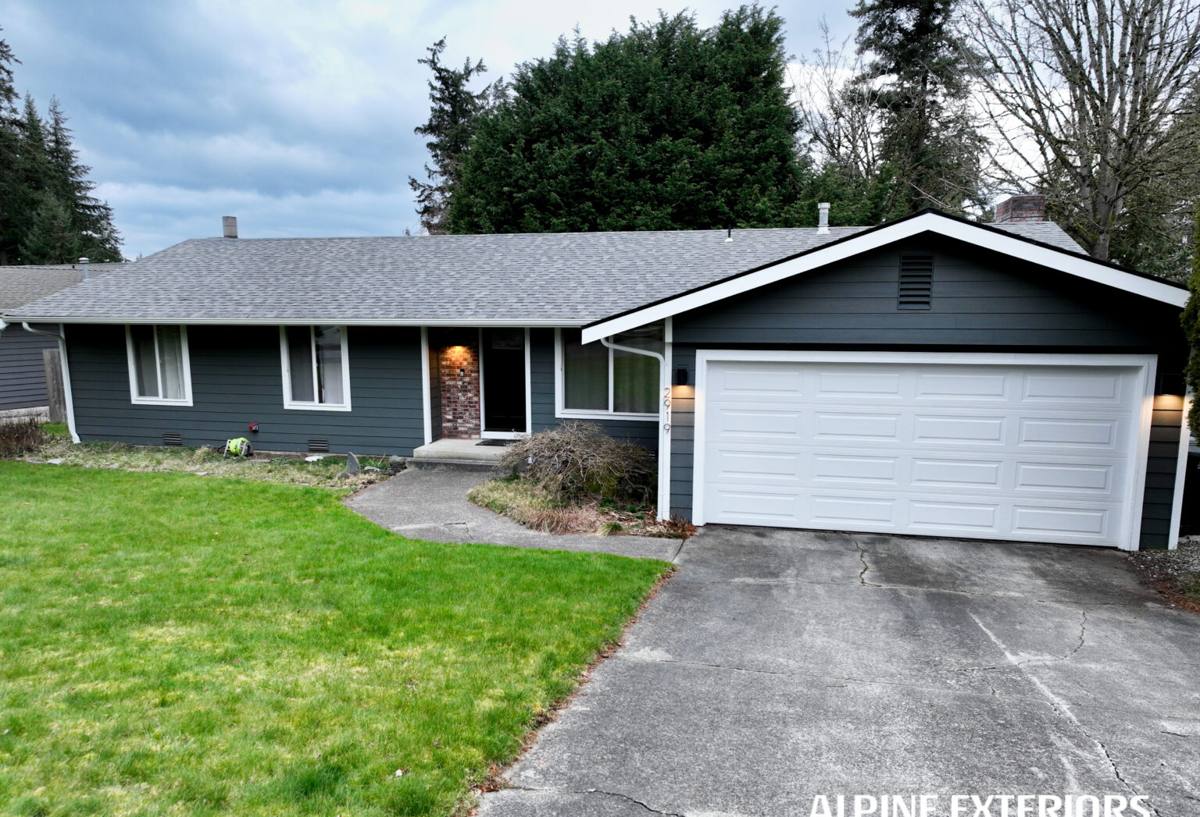
Why We Install James Hardie and Nothing Else
We standardized on James Hardie fiber cement siding for every job we do, including in Childs Park, because it's the one product line we've found that's actually engineered for climates like this one. James Hardie makes region-specific formulations — its HZ5 product line is built for humid, moisture-heavy climates like the Gulf Coast, with a different moisture and mold-resistance profile than the version sold in drier northern markets. That's not marketing language; it's a real engineering distinction in how the board is manufactured.
A few specific reasons Hardie is what we put on homes:
- Non-combustible core. Fiber cement won't ignite, which matters during dry lightning season and gives homeowners a real (not cosmetic) fire-resistance advantage over wood-based or engineered-wood siding products.
- Dimensional stability in humidity. Fiber cement doesn't swell, cup, or delaminate the way wood-based composites can when they take on repeated moisture cycling — a real risk in a climate with year-round humidity and frequent rain.
- ColorPlus factory finish. The color is baked on at the factory under controlled conditions, holding up to intense Florida UV far better than field-applied paint, which chalks and fades faster under constant sun exposure.
- Transferable, meaningful warranty. Hardie's warranty structure is well documented and transfers to a new owner within its terms, which matters for resale in a neighborhood where homes do change hands.
We get asked why we don't offer vinyl, LP SmartSide, or other engineered-wood siding as a cheaper option. The honest answer is maintenance and moisture behavior over the long run. Those products can look fine going in, but in a climate that combines high humidity, salt air, and intense storm cycles, we've made a professional decision to only install what we're confident will hold up without surprises ten and twenty years down the road.
What Salt Air and Wind-Driven Rain Actually Do to a Home's Exterior
It's worth understanding the specific damage mechanisms, because they explain why installation quality matters as much as the product itself:
Wind-Driven Rain
During a strong storm, rain doesn't just fall — it's driven sideways and upward into seams, laps, and penetrations that would never see water under normal conditions. Any gap in flashing, any short caulk joint, any siding course that wasn't lapped correctly becomes a path for water to get behind the cladding.
Salt Air Corrosion
Salt in the air accelerates corrosion of exposed metal fasteners, trim flashing, and hardware. Fiber cement itself isn't harmed by salt, but the fasteners and flashing details around it need to be corrosion-resistant or the failure just shows up somewhere else — around a window, at a corner post, or at a butt joint.
UV and Thermal Cycling
Constant sun exposure breaks down field-applied paints and cheaper composite surfaces over time, while daily heat-up-and-cool-down cycles stress every joint and fastener in the wall assembly. ColorPlus finish and correct fastening are both direct responses to this.
What a Correct James Hardie Installation Actually Involves
The single biggest factor in how siding performs in a climate like this isn't the brand on the box — it's whether it was installed to spec. Hardie publishes detailed installation requirements, and skipping steps is the most common reason siding fails early, regardless of which product was used. A correct job includes:
- A proper water-resistive barrier installed and lapped correctly before any siding goes up
- Correct starter strip placement so the first course sits at the right angle and drains properly
- Manufacturer-specified fastener type, length, and placement — not generic nails driven wherever is convenient
- Proper clearance between the siding's bottom edge and roofing, decking, and grade to prevent wicking
- Fully sealed and flashed penetrations at every window, door, vent, and utility line
- Correct joint treatment at butt seams and corners, with the right sealant rated for exterior, high-UV use
- Field-cut edges properly sealed, since exposed raw fiber cement edges are a common weak point if left untreated
Any one of these steps done wrong won't necessarily show up right away. It shows up two, five, or ten years later as a soft spot, a stain, or a section that needs to come off and be redone — usually costing more than doing it right the first time would have.
Comparing Hardie Siding Options for a Childs Park Home
Not every Hardie product line fits every home the same way. Here's how the common options compare for a typical Childs Park property:
| Product Line | Best Fit | Climate Consideration |
|---|---|---|
| HardiePlank lap siding | Most single-family homes, traditional lap look | Widely tested profile; performs well when lapped and fastened to spec in wind-driven rain |
| HardieShingle | Accent areas, gables, or a shingle-style aesthetic | More seams than lap siding, so flashing detail at each course matters more |
| HardiePanel with battens | Modern or board-and-batten looks, porches, accents | Vertical seams need careful batten and joint sealing to shed wind-driven rain |
| HardieTrim | Corners, window and door surrounds, fascia | Trim-to-siding joints are common leak points if not sealed correctly |
Signs a Childs Park Home's Siding Needs Attention
Because moisture problems behind siding aren't always visible right away, it helps to know what to watch for, especially on older housing stock typical of established Pinellas County neighborhoods:
- Soft, spongy, or bubbling spots anywhere on the exterior wall surface
- Visible cracking, especially around window and door trim
- Paint or finish that's peeling, chalking heavily, or fading unevenly
- Gaps opening up at seams, corners, or where siding meets trim
- Musty odors or visible staining on interior walls near exterior siding
- Warping or separation after a storm season, even if it looks minor
- Siding that flexes or feels loose when pressed gently by hand
How We Approach a Childs Park Siding Project
Because we work regularly throughout St. Petersburg and Pinellas County, our process for a Childs Park home follows the same disciplined steps every time:
1. On-Site Assessment
We look at the existing siding, wall assembly, and any signs of past moisture intrusion before quoting anything. This tells us whether it's a straightforward re-side or whether sheathing repair needs to happen first.
2. Product and Layout Plan
We spec out which Hardie profiles fit the home's style and determine trim, flashing, and joint layout before material ever arrives on site.
3. Removal and Substrate Check
Old siding comes off and we inspect the sheathing underneath for hidden rot or damage — a step that's easy to skip but critical in a humid climate where problems can hide behind a wall for years.
4. Weather Barrier and Flashing
This is the step that determines whether the house stays dry for the next several decades. We install and lap the water-resistive barrier and flashing correctly at every penetration before a single piece of siding goes up.
5. Installation to Manufacturer Spec
Fastening, clearances, joint sealing, and finish work follow Hardie's published requirements — not shortcuts, because shortcuts are exactly what fails first in this climate.
6. Final Walkthrough
We walk the completed job with the homeowner, checking every course, corner, and joint before calling it finished.
Why Hiring a Crew That Already Works in Childs Park Matters
Siding installation quality depends heavily on local familiarity, not just general carpentry skill. A crew that regularly works St. Petersburg and Pinellas County homes already understands the wind zone requirements that apply to exterior work here, knows how local permitting and inspection processes run, and has seen firsthand how quickly a poorly flashed joint turns into a real moisture problem in this specific climate. That local repetition is what turns "installed to spec" from a phrase on paper into a habit on the ladder.
It also means faster, more realistic scheduling. A contractor juggling projects across a wide, unfamiliar service area is more likely to rush a step or misjudge weather timing than one who works this area consistently and knows what a Pinellas County storm season actually demands of an exterior job in progress.
Maintenance and Long-Term Care
James Hardie siding, installed correctly, is genuinely low-maintenance compared to wood-based alternatives, but "low-maintenance" doesn't mean "no maintenance." A simple annual routine goes a long way in this climate:
- Rinse the siding periodically to remove salt residue and airborne grime
- Inspect caulked joints once a year, especially after storm season, and re-caulk any that have opened up
- Check that gutters and downspouts are directing water away from siding, not onto it
- Look at ground clearance near the base of the wall, especially where mulch or landscaping has built up over time
- Address any small crack or gap promptly rather than waiting for the next season
If your Childs Park home's siding is showing wear, or you're planning ahead of the next storm season, we're happy to take a look and give you a straightforward, no-pressure estimate — just fill out the form below.