 St. Petersburg Roofing
 Siding Installation in Childs Park
Childs Park is one of St. Petersburg's established residential neighborhoods, and like most of Pinellas County, it sits squarely in a climate that is hard on exterior building materials. Homes here deal with intense year-round UV exposure, wind-driven rain off the Gulf and Tampa Bay, salt-laden air, and the real possibility of hurricane-force winds during storm season. Siding isn't just a cosmetic layer in this environment — it's the first line of defense protecting the wood framing, sheathing, and interior of the house from moisture intrusion and structural damage.
We install James Hardie fiber cement siding exclusively. That's a deliberate choice, not a limitation of what we're capable of installing. After years of doing exterior work throughout St. Petersburg and Pinellas County, we standardized on one product system because we believe it's the one that actually holds up to this specific climate without becoming a maintenance headache for the homeowner five years down the road.
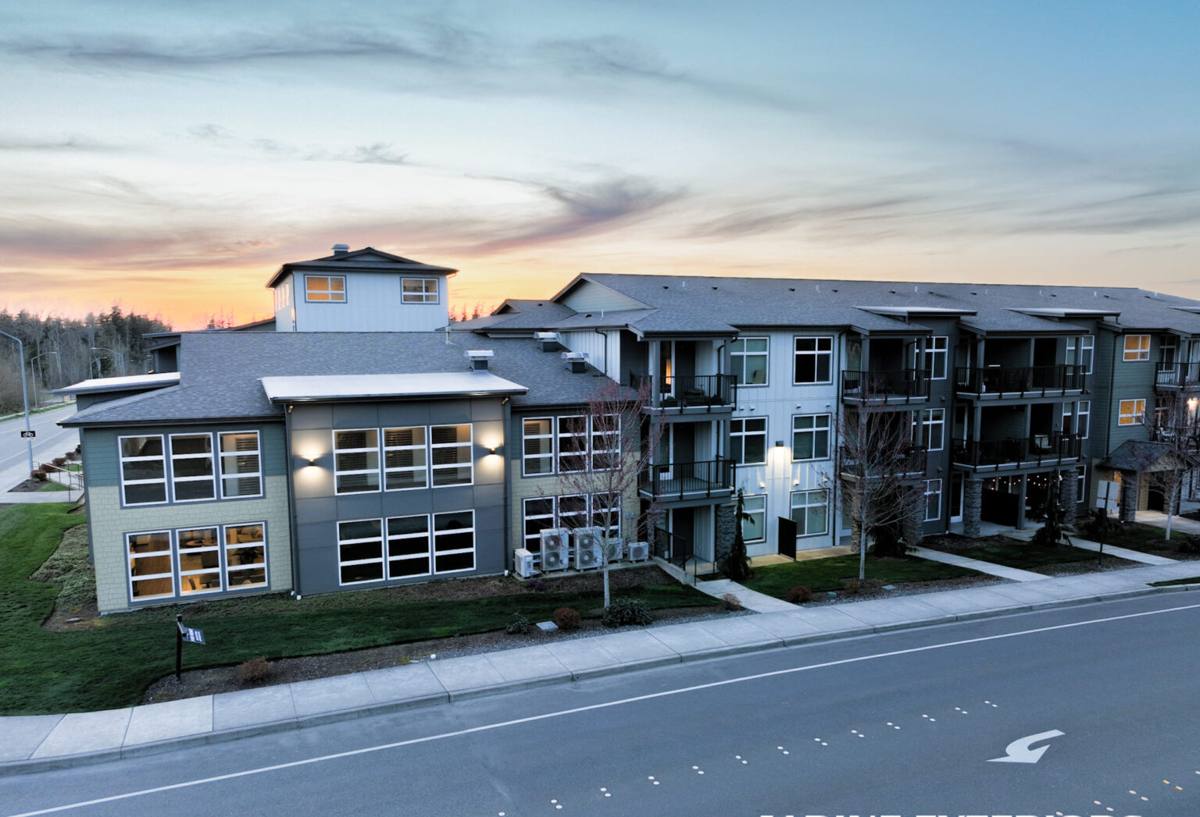
What This Climate Actually Does to Siding
It's worth being specific about what "coastal Florida climate" means for a wall assembly, because the failure modes are different from what you'd see in a drier or cooler part of the country.
Wind and Storm Load
Pinellas County sits in a designated high-velocity hurricane zone. Siding on any home in or around Childs Park needs to be rated and fastened for sustained high wind and wind-driven debris impact, not just installed to a minimum national code. Underspecified fastening patterns or the wrong nail schedule are one of the most common reasons siding fails in a storm — not because the material itself was bad, but because the installation didn't account for local wind loads.
UV Exposure
Florida gets more direct sun, more days a year, than almost anywhere else in the continental US. Painted wood and many composite products chalk, fade, and break down faster under that kind of sustained UV load. A finish that isn't engineered for it will visibly degrade well before the substrate underneath does.
Wind-Driven Rain
Rain in this region rarely falls straight down. Tropical systems and afternoon storms push rain sideways into wall assemblies, which means the water management behind the siding — house wrap, flashing, drainage gaps — matters as much as the siding material itself. A product that absorbs and holds moisture, or a poorly detailed installation, sets up conditions for rot and mold inside the wall cavity long before anything is visible from the outside.
Salt Air
Childs Park isn't oceanfront, but St. Petersburg sits on a peninsula between Tampa Bay and the Gulf, and salt air travels well inland on prevailing winds. Salt accelerates corrosion of fasteners and trim hardware and contributes to the breakdown of finishes that weren't formulated to resist it.
Why We Only Install James Hardie
We get asked why we don't offer vinyl, LP SmartSide, or other lower-cost siding options. The honest answer is that we've made a professional judgment call about what actually performs in this specific climate over the long term, and we'd rather stand behind one product system than sell whatever a homeowner asks for.
- Non-combustible material: Fiber cement doesn't feed a fire the way wood-based composite sidings can, which matters for insurance considerations as well as safety.
- Engineered for humid climates: James Hardie makes an HZ5 product line specifically engineered for high-humidity, high-moisture regions like ours, with moisture and pest resistance built into the material itself.
- Factory-applied ColorPlus finish: The finish is baked on in a controlled factory environment rather than field-applied, which gives more consistent UV and fade resistance than site-painted materials.
- Won't rot or delaminate: Because it's cement-based rather than wood-based, it doesn't absorb water the way engineered wood products can, which removes one of the biggest long-term failure points in this climate.
- Strong transferable warranty: Hardie's warranty coverage and transferability add real resale value, which matters to homeowners who may sell within the warranty period.
None of this means other products are unusable everywhere — it means that for the wind, moisture, UV, and salt conditions specific to St. Petersburg, we don't think they're the right long-term bet, and we're not willing to install something on a Childs Park home that we wouldn't want on our own.
Siding Options Compared for This Climate
| Material | Moisture Behavior | UV/Fade Resistance | Wind/Impact Durability | Long-Term Maintenance |
|---|---|---|---|---|
| James Hardie Fiber Cement | Does not absorb water like wood-based products; HZ5 line engineered for humid climates | Factory-baked ColorPlus finish holds color under sustained sun | Rated for high-wind installation when installed to spec | Low — periodic caulk/paint touch-up on trim only |
| Vinyl | Doesn't rot, but seams and panels can warp or buckle in extreme heat | Can fade and become brittle over years of intense UV | Can crack or blow off in high wind if not rated for the zone | Low, but damaged sections are hard to color-match after fading |
| LP SmartSide / Engineered Wood | Wood-based core is vulnerable to swelling and rot if water gets behind it | Field-applied or factory finishes vary; edges are a common failure point | Generally solid when installed correctly | Moderate — edge sealing and caulking are critical and ongoing |
| Primed Wood/Cedar | Absorbs moisture readily; highest rot risk in a humid climate | Requires repainting on a recurring cycle | Depends heavily on species and installation | High — regular painting and moisture inspection required |
What a Correct Installation Actually Involves
Siding failures in this climate are rarely about the material choice alone — they're usually about installation details that get rushed or skipped. A correct job on a Childs Park home includes:
- Inspecting and repairing sheathing before anything new goes up — siding installed over rotten or compromised sheathing fails no matter what it's made of
- A continuous, properly lapped weather-resistant barrier behind the siding
- Correct flashing at every window, door, and penetration so wind-driven rain has a path out, not in
- Manufacturer-specified fastener type, spacing, and embedment for our local wind zone
- Proper clearance at grade, roofline, and any horizontal trim to prevent standing water and wicking
- Caulking and sealing only where Hardie's specifications call for it — over-caulking can trap moisture just as easily as under-caulking
- Final inspection against manufacturer installation guidelines, not just local code minimums
Our Process for Childs Park Homes
1. On-Site Assessment
We walk the exterior with you, check the condition of the existing siding and sheathing, note trouble spots (window returns, roof-to-wall intersections, areas with visible water staining), and talk through what you actually need versus what can wait.
2. Detailed, Written Estimate
You get a scope of work and pricing in writing before anything is scheduled — no verbal estimates, no surprise change orders for work that was visible at the walkthrough.
3. Prep and Removal
Old siding comes off, sheathing gets inspected and repaired as needed, and we address anything hiding behind the old material before it gets covered back up.
4. Installation to Manufacturer Spec
Hardie panels, planks, or trim go up following James Hardie's published installation requirements for our wind zone and climate exposure — not a generic national standard.
5. Final Walkthrough
We go around the house with you, point out what was done, and address anything you want a second look at before we consider the job finished.
Why a Crew That Already Works This Area Matters
Siding installation isn't just about the product — it's about knowing how the local permitting process runs, what Pinellas County's wind-zone requirements mean in practice, and what condition to expect from homes of different ages and construction styles in and around Childs Park. A crew that regularly works St. Petersburg neighborhoods has already worked through the permitting office's expectations, knows what inspectors here are looking for, and has seen how homes in this part of the county typically hold up — or don't — under storm and sun exposure. That's the difference between a crew reading a spec sheet for the first time and one applying it with local context.
Cost Factors to Expect
| Factor | Why It Affects Price |
|---|---|
| Condition of existing sheathing | Rot or moisture damage found during tear-off requires repair before new siding goes on |
| Home size and wall complexity | More corners, dormers, and trim details mean more labor and material cuts |
| Siding profile chosen | Lap siding, panel siding, and shingle-style Hardie products vary in material and labor cost |
| Trim and accessory scope | Full trim replacement adds cost but also improves the overall moisture management of the wall |
| Story height and access | Two-story sections and difficult access points increase labor time |
We don't quote a number without seeing the house — anyone who does is guessing, and in a climate this demanding, guessing is how underspecified jobs happen.
If your Childs Park home needs new siding or you're evaluating whether your current siding is holding up the way it should, we're happy to come take a look and give you a straightforward, no-pressure estimate. Use the form below to get started.