 St. Petersburg Roofing
 Why Childs Park Roofs Take a Different Kind of Beating
Childs Park is a settled, tree-lined residential community in south St. Petersburg, and like the rest of Pinellas County it sits in a part of Florida where the roof is never really off duty. Between hurricane season's wind and wind-driven rain, the sun beating down on shingles and underlayment nearly every day of the year, and the steady drip of salt air moving inland off the Gulf and Tampa Bay, roofs here age differently than they do in most of the country. A roof that looks fine from the driveway can already have wind-lifted shingles, cracked sealant, or water intrusion working its way into the decking underneath.
That combination — UV breakdown plus wind stress plus moisture plus salt exposure — is why storm damage repair in this neighborhood isn't just about patching what's obviously broken after a named storm. It's about catching the damage that doesn't announce itself until it's a ceiling stain or a mold problem in the attic.
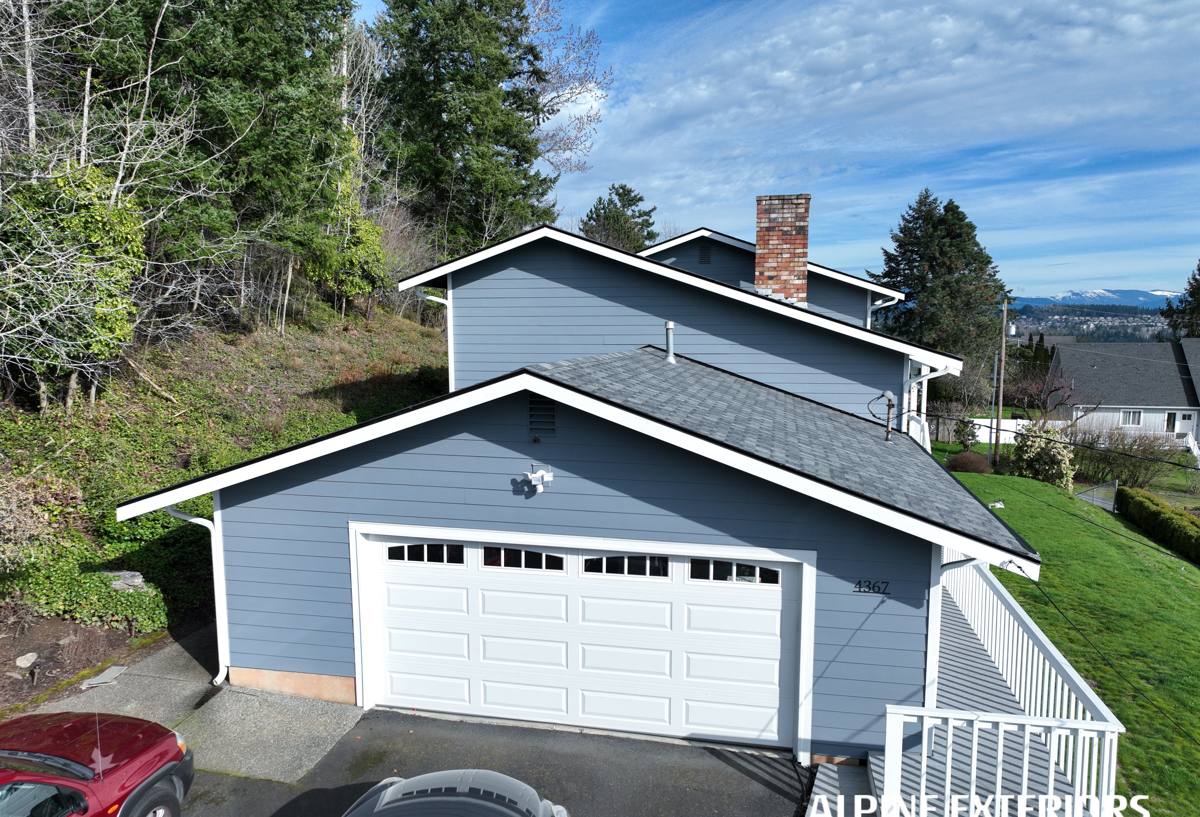
What Actually Counts as Storm Damage
Homeowners often picture storm damage as missing shingles scattered across the lawn. That's the easy case. Most of the storm damage we find on Childs Park roofs is less obvious:
- Wind-lifted shingles that have re-sealed themselves crooked, leaving gaps for water to work under on the next rain
- Creased or bruised shingles from wind flex, which look intact but have broken their internal seal and will leak eventually
- Lifted or damaged flashing around chimneys, vents, and roof-to-wall transitions
- Granule loss from wind-driven rain and hail-adjacent debris, which accelerates UV breakdown of the shingle underneath
- Soaked or delaminating decking where water got in weeks or months before a stain ever showed up inside the house
- Damaged soffit and fascia that let wind-driven rain into the attic from the side, not just through the shingle field
A correct storm damage repair has to account for all of these, not just the parts you can see standing in the yard.
What a Correct Storm Damage Repair Actually Involves
A quality repair starts with a full roof inspection, not a spot-check of the obvious problem area. We walk the roof, check the attic from the inside for water staining or damp insulation, and inspect flashing, vents, and roof penetrations — because storm damage almost never limits itself to one clean spot.
On the Roof Surface
Damaged shingles get replaced with matching material, properly nailed and sealed, not just caulked over. Any decking that's soft, delaminated, or water-stained gets cut out and replaced before new shingles go down — covering bad decking with new shingles is a shortcut that fails within a year or two, especially in a climate this humid.
At the Flashing and Transitions
Most leaks that get blamed on shingles actually start at flashing — chimneys, skylights, wall step-flashing, and vent boots. These are common failure points after wind events because they rely on sealant and mechanical fasteners that wind can loosen even when the shingles around them look untouched.
Underlayment and Moisture Barrier
Where sections are opened up for repair, we replace the underlayment in that area rather than reusing it. Underlayment is the roof's actual water barrier — the shingles are the wear layer on top of it — and it's not worth trusting old underlayment that's already taken storm exposure.
Repair vs. Full Replacement: How We Help You Decide
Not every storm-damaged roof needs to come off. But when damage is spread across multiple slopes, or the roof was already near the end of its service life before the storm, patch repairs can end up costing more over a few years than doing it right once. Here's how we walk homeowners through that decision:
| Factor | Leans Toward Repair | Leans Toward Replacement |
|---|---|---|
| Extent of damage | Isolated to one slope or area | Spread across multiple slopes |
| Roof age | Under roughly 10-12 years | Already near or past expected service life |
| Decking condition | Solid, dry decking found underneath | Soft, delaminated, or repeatedly wet decking |
| Prior repair history | First significant repair | Multiple past patches in different spots |
| Insurance scope | Adjuster approves targeted repair | Adjuster's scope supports full replacement |
We'll always give you the honest read on which side of that table your roof falls on — not the answer that happens to be the bigger job.
Our Process, Start to Finish
- Initial inspection — full roof and attic walkthrough, with photo documentation of every area of damage found
- Written scope and estimate — a clear breakdown of what needs repair, what materials are involved, and why
- Insurance coordination — if you're filing a claim, we can meet the adjuster on-site and make sure the scope reflects what we actually found, not just what's visible from the ground
- Repair work — decking replacement where needed, matching shingles or roofing material, flashing repair, and underlayment replacement in opened areas
- Final walkthrough — we go over completed work with you before calling the job done
We don't push a full tear-off when a targeted repair will genuinely hold up, and we don't recommend a patch when the underlying damage means you'd be paying for the same repair again in a year.
Insurance Claims: What Childs Park Homeowners Should Know
Florida homeowners' policies handle wind and storm damage differently from gradual wear, and adjusters are looking specifically for damage tied to a documented weather event, not general roof aging. That's part of why thorough documentation matters — clear photos of creased shingles, displaced flashing, and interior water intrusion, tied to a specific storm date, make a real difference in how a claim gets scoped.
We're not a public adjuster and we don't negotiate your policy for you, but we can document what we find on the roof clearly enough that your insurer has an accurate picture of the damage, and we're glad to walk the roof with your adjuster if that's useful.
Why a Crew That Already Works Childs Park Matters
Roofing here isn't the same job it would be in a drier, cooler climate. A crew that regularly works this part of Pinellas County knows what wind-driven rain does to flashing details, how fast UV breaks down a shingle at this latitude, and what salt-air corrosion looks like on fasteners and metal components before it becomes a visible problem. That local pattern recognition is what separates a repair that holds through the next storm season from one that reopens the same leak a year later.
It also means faster response. After a significant storm, roofing crews get busy fast across the whole Tampa Bay area. A crew already working in and around Childs Park can get eyes on your roof sooner, which matters — a tarped, unaddressed leak gets worse every week it sits, especially with Florida's humidity feeding mold growth in wet insulation and decking.
After the Storm: A Homeowner's Inspection Checklist
Before a contractor ever gets on the roof, there's a lot you can safely check from the ground and from inside the house:
- Walk the yard and property line for shingle pieces, granules, or flashing fragments
- Look at the roofline from the ground for shingles that appear lifted, curled, or missing
- Check gutters and downspouts for heavy granule buildup after a storm
- Inspect ceilings and upper walls inside for new stains, soft spots, or bubbling paint
- Check the attic (if accessible) for damp insulation, water staining on rafters, or daylight where there shouldn't be any
- Note the date and general nature of the storm for insurance purposes
- Avoid climbing onto the roof yourself — storm-damaged roof surfaces can be unstable even where damage isn't obvious
If you see any of these signs, it's worth getting a professional inspection promptly rather than waiting for a small leak to become a bigger repair.
Protecting the Repair Going Forward
A storm repair is only as good as the roof's ongoing maintenance after it's done. In this climate, that means periodic inspections — ideally before hurricane season each year — checking sealant and flashing points annually, keeping gutters clear so water isn't backing up under the roof edge, and addressing minor issues while they're still minor. A roof that gets looked at once a year rarely turns a small storm into a big claim.
If your Childs Park home has visible or suspected storm damage, we're happy to take a look and give you a straight answer on what it needs. Reach out for a free, no-pressure estimate using the form below — we'll walk the roof, tell you what we find, and let you decide from there.