 St. Petersburg Roofing
 Why Coquina Key Roofs Wear Differently Than Roofs Inland
Coquina Key sits on a peninsula surrounded by water on nearly every side, which means homes here take on a combination of stresses that a roof ten miles inland simply doesn't face in the same way. Salt-laden air moves across the neighborhood constantly, humidity stays high for most of the year, and the same waterfront exposure that makes the area desirable also means wind loads during storms are less predictable and often stronger than what standard suburban roofing sees.
Add in the Tampa Bay area's near-constant UV exposure and the wind-driven rain that comes with tropical systems, and you have a roofing environment that ages materials faster than the manufacturer's glossy brochure numbers suggest. A shingle rated for a 25-year lifespan in a moderate climate might realistically give you 15-18 good years here if it wasn't installed with this specific exposure in mind. That's not a knock on any particular product — it's just physics. Heat cycles the asphalt, UV breaks down oils in the material, salt air accelerates corrosion on any exposed metal, and wind gets more chances per year to find a weak spot.
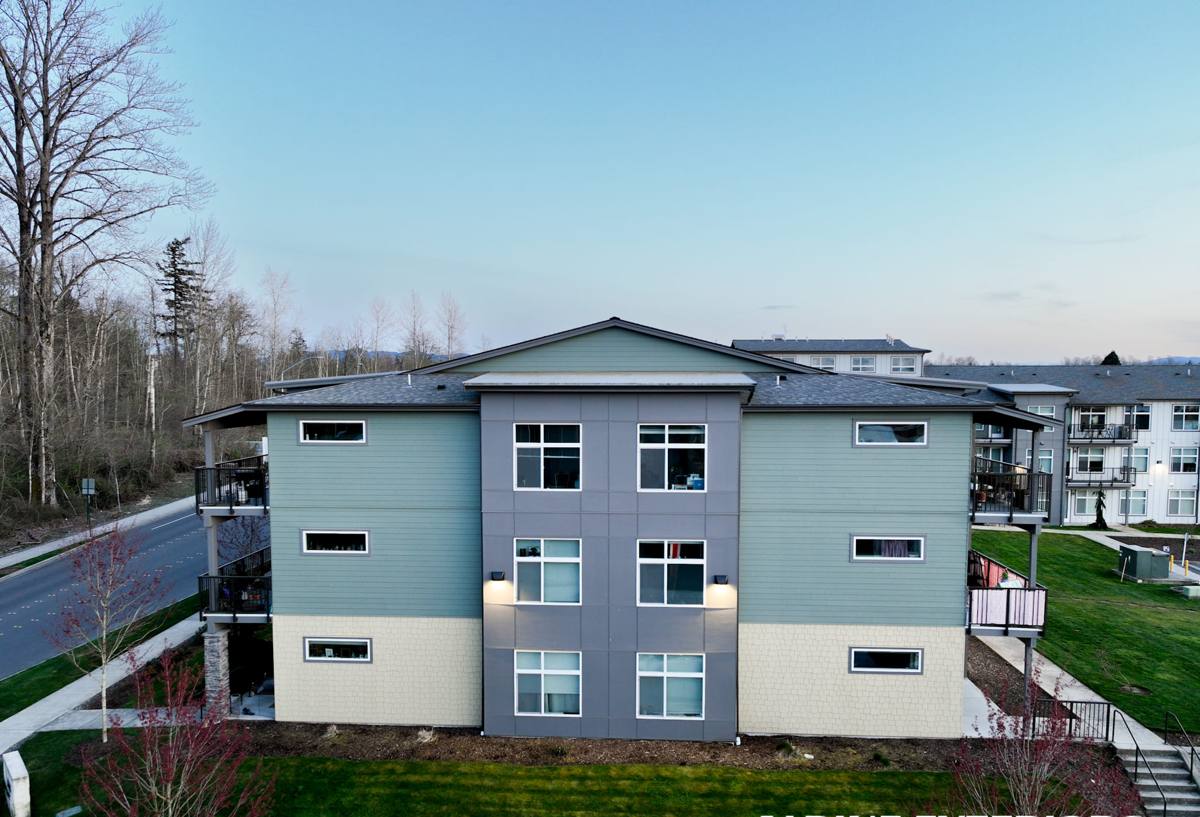
What "Correct" Actually Means for a Coquina Key Roof Replacement
A roof replacement isn't just stripping old shingles and nailing down new ones. In a coastal Pinellas County neighborhood like this one, a correct job accounts for several things at once, and skipping any of them is how a "new roof" ends up with problems in year three instead of year fifteen.
Deck Inspection and Repair
Once the old roofing material comes off, the decking underneath gets inspected board by board. Years of slow moisture intrusion — even minor leaks a homeowner never noticed — can soften plywood or oriented strand board. Any soft, delaminated, or water-stained decking needs to be cut out and replaced before anything new goes down. Nailing new shingles over compromised decking is a shortcut that shows up later as soft spots, sagging, or nails that won't hold in wind.
Underlayment Built for Wind-Driven Rain
Standard felt underlayment has its place, but in a wind-driven rain environment, a synthetic underlayment or a self-adhering underlayment in vulnerable zones (valleys, eaves, penetrations) gives the roof a real second line of defense if wind ever forces water backward under the shingle tabs. This matters more here than in a drier, calmer climate because the rain isn't always falling straight down — it's coming in at an angle, sometimes hard.
Flashing That Doesn't Corrode Quietly
Salt air is hard on unprotected metal. Flashing around chimneys, walls, skylights, and roof-to-wall transitions needs to be corrosion-resistant and properly integrated with the underlayment and roofing material — not just caulked and hoped for. Caulk is a maintenance item, not a waterproofing strategy, and it's one of the most common failure points we find on older Coquina Key roofs during a replacement.
Wind-Rated Fastening
Nailing pattern and fastener count matter more here than in calmer inland areas. Florida Building Code sets minimum requirements for wind resistance, and in a peninsula neighborhood exposed to storm surge and sustained coastal wind, we don't treat those minimums as a ceiling — proper fastener spacing and nail placement (not staples, not underdriven or overdriven nails) is what actually keeps shingles attached when gusts hit.
Ventilation: The Part Homeowners Don't See but Always Feel
A roof replacement is the right time to fix ventilation, and in this climate it's not optional. Poor attic ventilation traps heat and humidity, which does two bad things at once: it shortens the life of the new shingles from underneath, and it drives up cooling costs in a house that's already fighting Florida heat most of the year. Balanced intake (soffit vents) and exhaust (ridge vents or equivalent) let hot, moist air escape instead of baking the underside of your new roof deck. We check this on every replacement — not as an upsell, but because installing a new roof over bad ventilation is like buying new tires and never checking the alignment.
Choosing Materials for a Coastal Peninsula Home
There's no single "best" roofing material for every Coquina Key home — it depends on your roof's pitch, your budget, your home's structure, and how long you plan to own the property. What we do is lay out the honest trade-offs so you're deciding with full information, not guessing.
| Material | Wind/Storm Performance | Maintenance Considerations | Typical Lifespan Here |
|---|---|---|---|
| Architectural asphalt shingle | Good when properly fastened and rated for the region | Periodic inspection after storms; algae/streaking in humidity | 15-20 years |
| Metal (standing seam or coated panel) | Excellent wind uplift resistance | Fastener and coating checks over time; higher upfront cost | 30-40+ years |
| Tile (concrete or clay) | Very good if underlayment and attachment are done right | Underlayment failure is the real risk, not the tile itself; heavier structural load | 30-50 years (underlayment often needs earlier attention) |
| Flat/low-slope membrane (for additions, porches, garages) | Depends heavily on installation quality and drainage | Needs correct slope and seam work to avoid ponding | 15-20 years |
Whatever material you choose, the underlayment, flashing, and fastening details we described above matter more to long-term performance than the brand name on the shingle wrapper. A mid-range shingle installed correctly will outperform a premium shingle installed poorly, every time.
Our Replacement Process, Start to Finish
- On-site inspection: We walk the roof (not just look from the ground), check the attic for ventilation and moisture signs, and assess the deck condition where visible.
- Honest scope and written estimate: You get a clear breakdown of what's being replaced, what materials are proposed, and why — no vague line items.
- Permitting: Roof replacements in Pinellas County and the City of St. Petersburg require permits. We handle this so the work is inspected and documented, which also matters for insurance and resale later.
- Tear-off and deck inspection: Old material comes off, decking gets checked board by board, and any necessary repairs happen before anything new goes down.
- Underlayment and flashing installation: Built for wind-driven rain exposure, with attention to valleys, penetrations, and wall transitions.
- Material installation: Installed to manufacturer specification and Florida Building Code wind requirements, not just "close enough."
- Ventilation check and correction: Intake and exhaust balanced as part of the job, not left for later.
- Final walkthrough and cleanup: We review the finished roof with you and make sure the property is left clean.
- Inspection sign-off: Final permit inspection closes out the job with documentation in hand.
Storm Prep and Insurance Considerations
Because Coquina Key's exposure puts it squarely in the path of tropical weather each season, a roof replacement here is also a chance to get your home into a stronger position before the next storm. A properly documented, permit-inspected roof replacement can matter for insurance purposes — carriers increasingly ask about roof age and wind mitigation features, and a roof installed to current code with proper fastening and flashing can affect both eligibility and premiums. We're not insurance agents and can't promise specific savings, but we can give you documentation of what was installed and how, which is what your carrier or agent will want to see.
What to Have Ready Before Storm Season
- Know your roof's age and material — if you're not sure, that's a good reason for an inspection
- Keep any permit and inspection paperwork from past roof work in one place
- Photograph your roof's current condition each year for your own insurance records
- Address minor leaks or missing shingles promptly rather than waiting for the next big storm
- Ask your contractor directly whether the fastening and underlayment meet current wind requirements — don't assume
Signs a Coquina Key Roof Needs Replacement, Not Another Repair
Repairs make sense for isolated damage. Replacement makes sense when the roof as a whole is past the point where patching is a good use of money. Here's how we help homeowners tell the difference:
- Shingles are curling, cracking, or losing significant granules across large areas, not just one spot
- The roof has taken repeated storm damage over multiple seasons
- There's daylight or water staining visible in the attic in more than one location
- The roof is approaching or past its expected lifespan for its material and this climate
- You're seeing soft spots when walking the roof, which usually means deck damage underneath
- Energy bills have crept up and attic ventilation or insulation hasn't been addressed in years
If only one or two of these apply, a repair or targeted maintenance might still be the right call, and we'll tell you that plainly. We don't push a full replacement on a roof that has good years left in it.
Why Local, Hands-On Coquina Key Experience Matters
A roofing crew that regularly works this specific pocket of St. Petersburg knows things that don't show up in a generic estimate: how salt air behaves on this side of the peninsula, which wind exposures tend to cause the most granule loss and flashing wear, and what Pinellas County's permitting and inspection process actually expects. That familiarity translates into fewer surprises during the job and a roof that's built for the conditions it will actually face, not a one-size-fits-all approach borrowed from a different climate.
We also know that homes on a peninsula like this one often have unique access considerations — narrow lots, waterfront setbacks, or older homes with roof structures that need a careful eye rather than a rushed crew moving fast between jobs. Taking the time to get it right the first time costs less than fixing a rushed job two years later.
Get a Straightforward Estimate
If your Coquina Key home is due for a roof replacement, or you're just not sure whether repair or replacement makes more sense, we're glad to take a look and give you a clear, honest answer — no pressure, no hard sell. Fill out the form below for a free estimate, and we'll walk you through exactly what your roof needs and why.