 St. Petersburg Roofing
 Siding Built for Life on Coquina Key
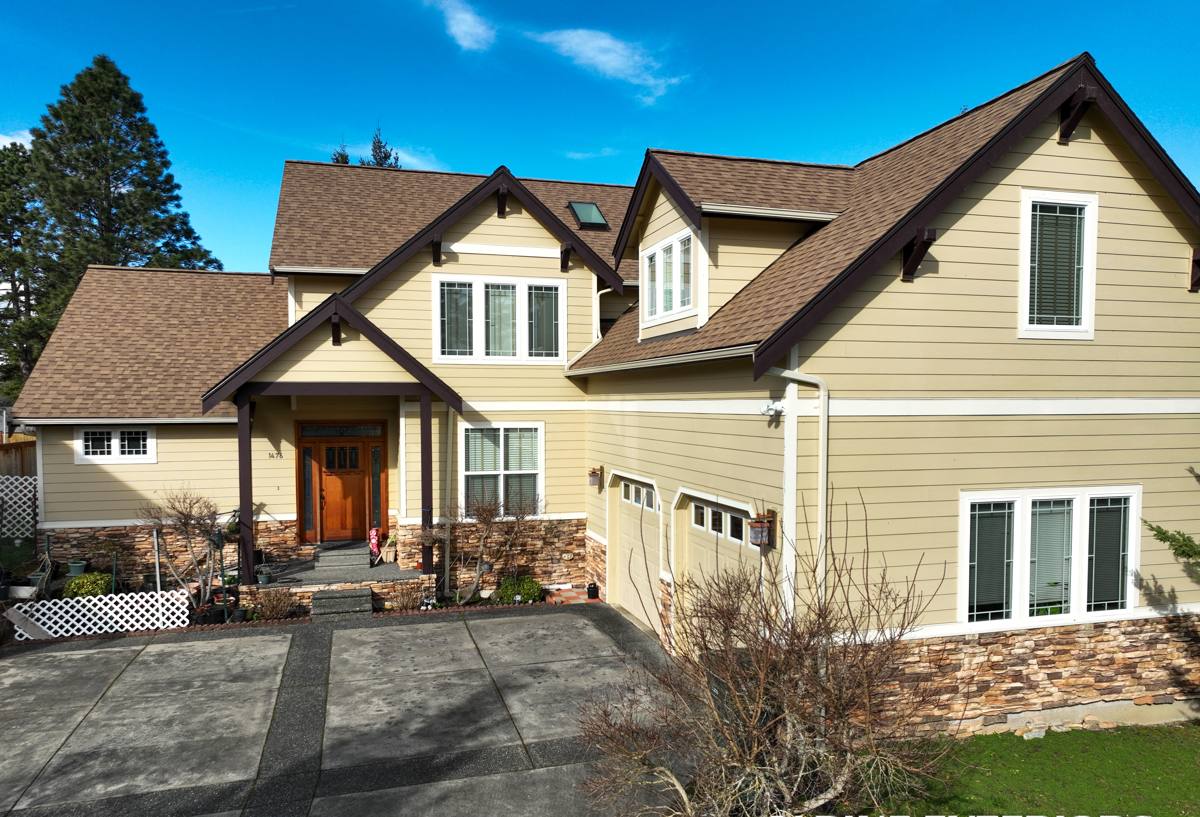
Coquina Key sits close to the water, and that changes what a siding job needs to hold up against compared to homes further inland. Between the salt air drifting off the bay, the wind-driven rain that comes with almost every serious Tampa Bay storm, and sun exposure that runs hard nearly twelve months a year, the siding on a Coquina Key home works harder than siding almost anywhere else in Pinellas County. We install James Hardie fiber cement siding on homes in this neighborhood because it's built to take that punishment without the maintenance headaches that come with softer materials.
This page focuses on one thing: what a correct siding installation looks like for a Coquina Key home, why the local climate demands specific choices, and how our process protects the investment you're making.
What the Coquina Key Climate Does to Siding
St. Petersburg's exposure to Tampa Bay means Coquina Key gets a heavier dose of a few specific stressors than homes a few miles inland:
- Salt air corrosion: Airborne salt accelerates the breakdown of untreated wood, cheap fasteners, and lower-grade trim. It also eats away at paint film faster than in drier, inland areas.
- Wind-driven rain: During Gulf storms and even routine summer squalls, rain doesn't just fall — it's pushed sideways into wall assemblies. Siding that isn't installed with proper flashing and drainage gaps lets that water find its way behind the cladding.
- Hurricane-force wind loads: Pinellas County sits in a high wind zone, and Coquina Key's proximity to open water means gusts can arrive with little to slow them down first. Siding needs to be fastened to a standard that keeps panels attached, not just installed to look right on a calm day.
- Intense, near-constant UV: Florida sun is relentless. Paint film on wood or composite siding chalks, fades, and cracks years faster here than in northern climates.
- Humidity and moisture cycling: High humidity combined with afternoon storms means siding assemblies are almost always managing some level of moisture. Materials that absorb and swell don't get much of a chance to fully dry out before the next rain.
None of these factors are unique to Coquina Key, but the combination — waterfront exposure, high wind, and sustained UV — is more concentrated here than in many other St. Petersburg neighborhoods further from the bay.
Why We Install James Hardie Fiber Cement — And Only That
We made a decision as a company to install James Hardie fiber cement siding exclusively. We don't install vinyl, LP SmartSide, primed wood, cedar, or other fiber cement brands like Cemplank or Allura. That's not a marketing position — it's a standard we set because of what we've seen hold up in this exact climate over years of installs across Pinellas County.
What Fiber Cement Gets Right for This Environment
James Hardie siding is non-combustible, doesn't absorb moisture the way wood-based products do, and holds its factory-applied ColorPlus finish far longer under intense UV than field-applied paint on wood or composite siding. Hardie's HZ5 product line is specifically engineered for high-humidity, storm-prone climates like ours — that engineering matters more on Coquina Key than it does on a home fifteen miles inland.
Being Honest About Trade-Offs
Fiber cement is heavier than vinyl and requires proper fastening technique, correct blade work when cutting, and attention to caulking and flashing details that some crews skip to save time. It costs more upfront than vinyl or LP SmartSide. We think that trade-off is worth it for the longevity and lower long-term maintenance, but we won't pretend fiber cement is a zero-effort, zero-cost option — it isn't, and any contractor telling you otherwise isn't giving you the full picture.
What a Correct Installation Actually Involves
A siding job is only as good as what's underneath it and how it's fastened. On a waterfront-adjacent neighborhood like Coquina Key, we don't cut corners on these steps:
1. Substrate and Moisture Barrier Inspection
Before any new siding goes up, the sheathing underneath gets inspected for rot, soft spots, or prior water damage — common on older Florida homes where a previous siding job trapped moisture. A weather-resistant barrier is installed correctly, lapped shingle-style so water sheds downward and outward, never inward.
2. Proper Flashing at Every Penetration
Windows, doors, hose bibs, vents, and any other wall penetration need flashing that directs water back out, not into the wall cavity. This is where a lot of wind-driven rain problems start on homes near the bay — a missed flashing detail that never causes an issue until a storm pushes rain sideways into it.
3. Fastening to Wind-Load Standards
Fastener spacing and type matter more here than in calmer climates. We follow James Hardie's installation specifications for high-wind zones, which is what preserves the manufacturer's warranty and keeps panels secured through hurricane-season gusts.
4. Correct Gapping and Caulking
Fiber cement needs expansion gaps at seams and trim, sealed with a high-quality, paintable exterior sealant rated for sustained UV and moisture exposure. Skipping this step or using a lower-grade caulk is one of the most common shortcuts we see on prior installs we've been called out to repair.
5. ColorPlus Finish Handling
When ColorPlus factory-finished panels are used, cut edges and any exposed cuts need touch-up with the matching ColorPlus edge coating to maintain the finish's UV resistance and warranty coverage. This is a small detail that's easy to skip and shows up as fading at seams years later if it's missed.
Installation Checklist We Follow on Every Coquina Key Job
- Full substrate inspection for existing rot or moisture damage before new siding goes up
- Weather-resistant barrier installed and properly lapped
- Flashing installed at every window, door, and wall penetration
- Fasteners spaced and set to manufacturer high-wind specifications
- Expansion gaps maintained at all seams and trim transitions
- UV-rated, paintable sealant used at all joints
- Cut edges treated with matching ColorPlus touch-up coating
- Final walk-through inspection before job close-out
Comparing Siding Options for a Coquina Key Home
Homeowners in this neighborhood often ask us to explain why we steer them toward fiber cement instead of the lower-cost alternatives still common on older Florida homes. Here's an honest side-by-side of how the main options perform against this specific climate profile:
| Factor | James Hardie Fiber Cement | Vinyl | Wood / LP SmartSide |
|---|---|---|---|
| Salt air resistance | Strong — non-porous, engineered for coastal humidity | Moderate — can become brittle over time in UV/salt exposure | Weak — absorbs moisture, prone to rot near salt air |
| Wind performance | Rated for high-wind zones when installed to spec | Can crack or blow off in sustained high winds | Depends heavily on fastening; wood can split under wind load |
| UV / fade resistance | Factory ColorPlus finish holds color for years | Fades and can warp under prolonged sun | Paint fades and requires frequent repainting |
| Moisture behavior | Does not absorb water, resists swelling | Doesn't absorb water but seams can allow moisture intrusion | Absorbs moisture, susceptible to rot and swelling |
| Fire resistance | Non-combustible | Combustible, can melt/deform near heat sources | Combustible |
| Upfront cost | Higher | Lowest | Moderate |
| Long-term maintenance | Low — occasional inspection and caulk touch-up | Low but limited lifespan in harsh coastal exposure | High — repainting, moisture monitoring, rot checks |
Why a Crew That Already Works Coquina Key Matters
Siding installation isn't a one-size-fits-all process, and a neighborhood this close to open water has specific quirks that a crew unfamiliar with the area can miss. Local knowledge shows up in small but important ways:
- Understanding which sides of a home take the worst wind-driven rain based on typical storm tracks off the bay
- Knowing how salt exposure changes fastener corrosion timelines and choosing hardware accordingly
- Familiarity with Pinellas County permitting and wind-load code requirements for exterior work
- Recognizing common construction patterns and ages of homes in this part of St. Petersburg, which affects what's likely hiding under existing siding
A crew that treats every job as a fresh unknown is more likely to miss these details than one that's already spent time working on homes in this exact neighborhood.
Signs Your Coquina Key Home May Need Siding Attention
Not every siding problem is obvious from the street. Some signs worth a closer look, especially on a home exposed to bay-side conditions:
- Visible warping, bubbling, or soft spots when pressed gently
- Paint that's peeling, chalking heavily, or fading unevenly
- Gaps opening up at seams, corners, or trim boards
- Discoloration or staining that suggests water is tracking behind the siding
- Higher-than-expected cooling bills, which can point to compromised wall insulation from moisture intrusion
If you're seeing any of these, it's worth having someone take a real look rather than waiting for a small issue to become a structural one — especially heading into another hurricane season.
What the Process Looks Like Working With Us
We keep the process straightforward and transparent from the first visit through project close-out:
- On-site assessment: We walk the exterior, check the current siding and substrate condition, and note any problem areas specific to sun and wind exposure on your property.
- Written estimate: You get a clear scope of work and pricing before anything is scheduled — no vague allowances or surprise add-ons later.
- Product and color selection: We walk you through James Hardie's HZ product lines and ColorPlus color options suited to coastal Florida conditions.
- Installation: Our crew follows manufacturer specifications for high-wind zones at every step — flashing, fastening, gapping, and sealing.
- Final walk-through: We inspect the finished work with you before considering the job complete.
If your Coquina Key home's siding is showing its age or you're planning ahead of the next storm season, we're happy to take a look and give you a straightforward, no-pressure estimate. There's a form below to get started.