 St. Petersburg Roofing
 Why Coquina Key Windows Wear Out Faster Than Most
Coquina Key sits on the water, and that changes the math on window replacement. Homes on or near the canals here take on salt-laden air almost every day, which speeds up corrosion on window hardware, hinges, and metal frames long before the glass itself gives out. Add in St. Petersburg's year-round UV exposure, which breaks down seals, vinyl, and weatherstripping faster than it would in a drier or shadier climate, and you've got a neighborhood where windows simply age on a different clock than the same product would inland.
Then there's wind. Pinellas County sits in Florida's coastal wind-borne debris zone, which means the region is built to expect hurricane-force gusts and the wind-driven rain that comes with them. Older single-pane or aluminum-frame windows that were fine when they went in decades ago often aren't rated for what the area sees now, and even windows that still look okay can be letting in moisture around the frame during heavy storms — moisture that causes rot and mold long before anyone notices a leak.
None of this means every window in Coquina Key needs to be replaced tomorrow. It means the replacement has to be matched to the actual conditions the home faces, not just whatever's cheapest or fastest to install.
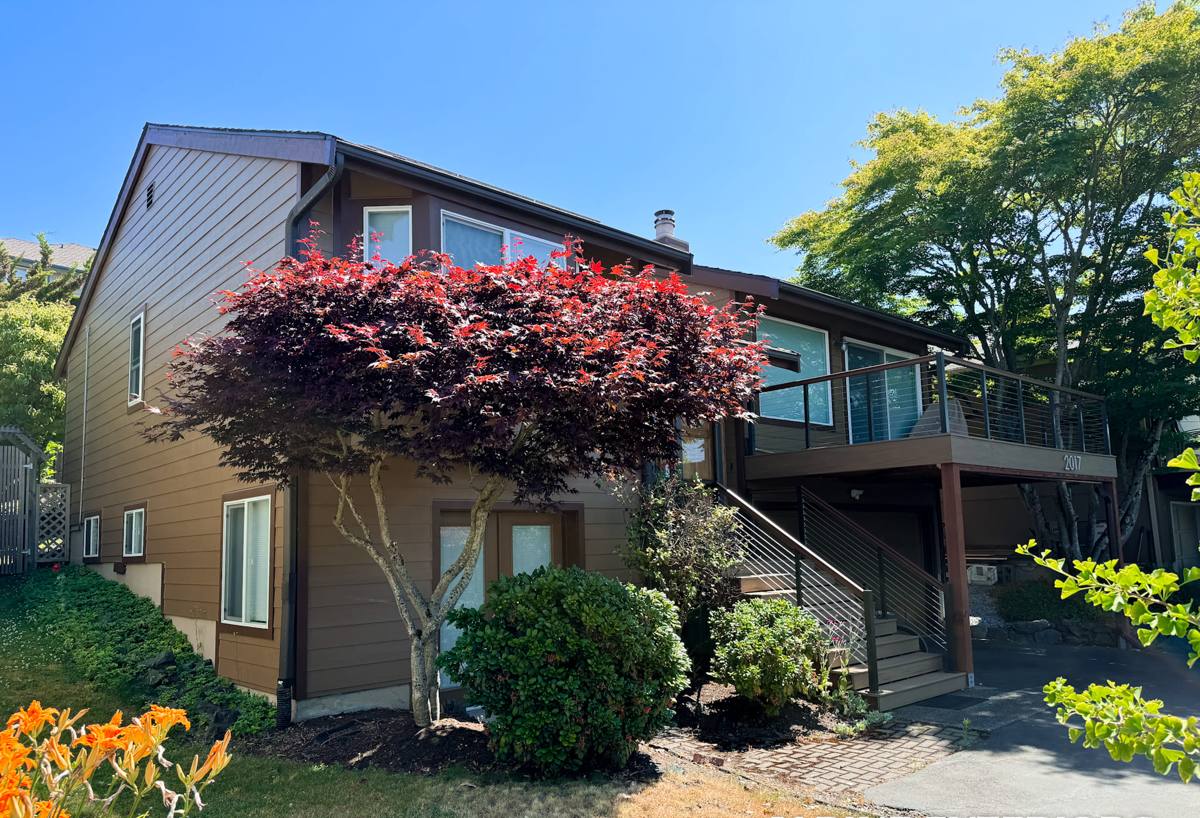
What a Correct Window Replacement Actually Involves
Impact-Rated Glass vs. Shutters
Florida's building code gives coastal homeowners two paths to meeting wind-borne debris protection requirements: impact-rated windows, or standard windows paired with approved hurricane shutters. Impact glass is laminated — two panes bonded around an inner plastic layer — so that even if the outer pane cracks under debris impact, the window stays intact and sealed rather than blowing open. Shutters can satisfy code too, but they only work if someone's home to deploy them and they only protect while they're closed. For a lot of Coquina Key homeowners, especially those who travel or rent the property out, impact windows are the lower-maintenance, always-on option.
Flashing, Sealing, and Waterproofing
The glass and frame get most of the attention, but the installation details are what actually determine whether a window performs in a storm. Proper flashing around the rough opening, correctly applied sealant, and mechanical fastening rated for the local wind load all matter more than the brand name on the window. A high-end impact window installed with shortcuts on the flashing will leak in wind-driven rain just like a cheap one. This is where a lot of window jobs go wrong — not in the product, but in the twenty minutes of prep work around the opening that nobody sees once the trim goes back on.
Choosing the Right Frame Material for a Canal-Front Home
Frame material matters more here than in most parts of the country, because salt air is genuinely harder on some materials than others. Here's how the common options hold up in a waterfront setting like Coquina Key:
| Frame Material | Salt Air Resistance | Maintenance | Best Fit |
|---|---|---|---|
| Vinyl | Good — won't corrode or pit | Low; occasional cleaning | Most homes; budget-friendly, no repainting |
| Aluminum | Fair — can pit and corrode near the water without upkeep | Moderate; needs periodic inspection of hardware and finish | Homes wanting a slimmer sightline or matching existing aluminum-frame construction |
| Fiberglass/composite | Very good — dimensionally stable, resists corrosion | Low | Homeowners wanting the longest service life and willing to pay more upfront |
We don't push one material on every job. A vinyl-frame impact window is a perfectly sound, long-lasting choice for most Coquina Key homes and it's the option that keeps ongoing maintenance lowest. Aluminum still has a place, particularly on homes matching an existing look, but it needs an honest conversation about upkeep near saltwater rather than a sales pitch that skips it.
Signs a Coquina Key Home Needs Window Replacement Now
- Frames feel soft, or you see bubbling paint or corrosion streaks around the hardware
- Condensation forms between panes on double-glazed windows — a sign the seal has failed
- You can feel air movement around the frame on a windy day, even with the window latched
- Windows are original aluminum single-pane units, common in many older canal-area homes
- Difficulty opening, closing, or locking, especially after the frame has swelled or corroded
- Visible daylight gaps around the frame, or trim that's separating from the wall
- Noticeable outside noise or temperature transfer compared to other rooms
- Water staining on interior sills or walls below windows after heavy rain
Any one of these on its own isn't necessarily an emergency, but a home with several of them is a home where windows are actively working against you during storm season rather than protecting you.
Permitting and Code Requirements in Pinellas County
Window replacement in St. Petersburg generally requires a permit, and Pinellas County's coastal location means the wind load and impact requirements built into the Florida Building Code apply here. A legitimate contractor pulls that permit, has the installation inspected, and gives you documentation showing the windows meet code — not just an invoice. That paperwork matters beyond peace of mind: it's often what insurance companies and future buyers ask for, and unpermitted work can become a real problem at resale or during an insurance claim after a storm.
We handle the permit process as part of the job rather than treating it as an upsell or an afterthought.
How Our Replacement Process Works
- On-site assessment — we look at every window opening individually, since exposure and condition can vary window to window, especially between the canal-facing side of a house and the street-facing side.
- Product recommendation — we walk you through frame material, glass package, and shutter-versus-impact options based on your budget and how you use the home.
- Accurate measurement — every opening is measured individually; older Coquina Key homes often have openings that have shifted slightly over the decades and aren't perfectly standard.
- Permitting — we pull the required permit before work begins.
- Removal and installation — old windows come out, openings are inspected for hidden rot or damage, and new windows go in with proper flashing and sealing.
- Final inspection and walkthrough — we confirm everything operates correctly and seals properly before we consider the job finished.
We also check the surrounding wall and sill for damage while the opening is exposed. Wind-driven rain has a way of finding its way into wall cavities around old, failing windows long before it shows up as a visible stain, and catching that now is a lot cheaper than finding it after drywall or trim has been closed back up.
What Window Replacement Typically Costs
Pricing depends on the number of openings, size, glass package, and frame material, so any number without an on-site look is a rough guide at best. In general terms, homeowners should expect a wide range depending on these factors:
| Cost Factor | Why It Moves the Price |
|---|---|
| Window size and quantity | Larger openings and whole-house jobs cost more per unit but often get better per-window pricing than one-off replacements |
| Impact-rated vs. standard glass | Impact glass costs more upfront but removes the ongoing cost and hassle of shutters |
| Frame material | Vinyl is typically the most budget-friendly; fiberglass and specialty aluminum finishes cost more |
| Structural or rot repair | Openings with hidden water damage need that repaired before a new window can be properly installed |
| Permit and inspection fees | Set by the county/city, not the contractor, and required for code-compliant work |
Broadly, impact-rated replacement windows in this region tend to run from several hundred to over a thousand dollars per window installed, with the total shaped heavily by size, glass, and how many openings are done at once. The only way to get a real number is a measurement and a look at the actual openings.
Why a Crew That Already Works Coquina Key Matters
Waterfront neighborhoods have a few quirks that a contractor without local experience can miss. Homes here often sit close to the canals, which affects everything from equipment access and staging to how much salt exposure a given wall has seen over the years. A crew that's already worked in the area knows what to expect from these openings before the first window comes out — where corrosion tends to hide, which older construction styles need extra care around the frame, and how to sequence a job so a home stays weathertight even if work spans more than one day during Florida's unpredictable afternoon storms.
There's also a practical trust factor. A contractor with an ongoing presence in St. Petersburg has a reputation to protect in the neighborhood, is easier to reach if a question comes up after the job, and isn't disappearing to the next city over once the invoice is paid.
If your Coquina Key home has windows that are original, failing, or just not built for the wind and salt this location sees, we're happy to take a look and give you a straight assessment — no pressure, no hard sell. Fill out the form below for a free estimate.