 St. Petersburg Roofing
 Crescent Lake Roofs Face a Different Set of Problems
Crescent Lake is one of St. Petersburg's older, established neighborhoods, and that shows in its roofs. Many homes here were built decades ago with steeper pitches, dormers, and other detailing you don't see as often in newer subdivisions. Add in the mature oak canopy that gives the neighborhood its character, and you get a roofing environment that's genuinely different from a flat-roofed stucco home out in a treeless new build. Constant leaf and pollen litter, shaded sections that stay damp longer after rain, and the occasional falling limb all add wear that a roof in an open, sunny lot wouldn't see.
Layer on the Pinellas County climate and the math gets tougher. St. Petersburg sees intense year-round UV that bakes shingles and dries out sealants, hurricane-force wind events that test every fastener and flashing detail, wind-driven rain that finds any gap in a roof's defenses, and salt air drifting in off the Gulf and Tampa Bay that quietly corrodes exposed metal. None of these forces act alone — they compound. A roof that's already brittle from UV exposure is far more likely to lose shingles in a wind event, and a fastener that's corroding from salt air is more likely to back out under wind load.
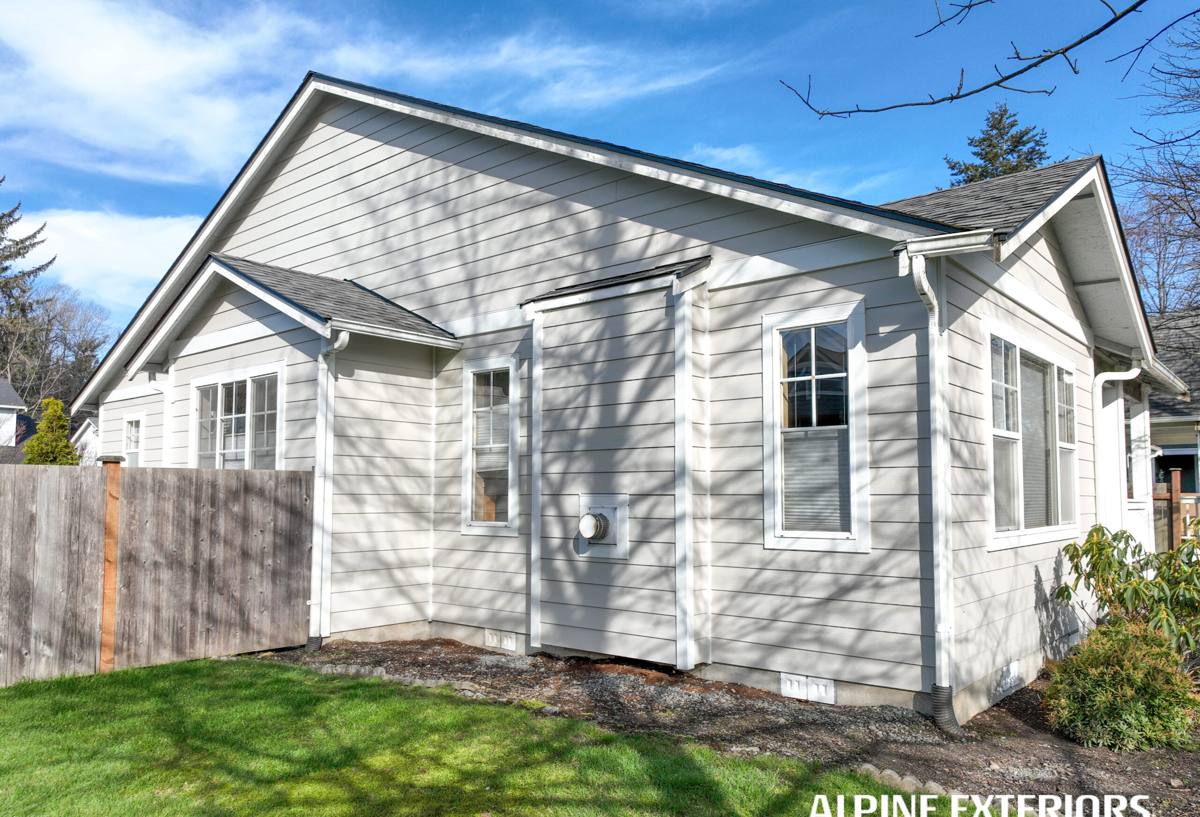
Common Roof Repair Issues We See in Crescent Lake
Because of the tree cover and the age of many homes in the area, certain repair calls come up again and again:
- Granule loss and shingle brittleness from years of direct sun exposure, especially on south- and west-facing slopes
- Moss, algae, or lichen growth on shaded sections of roof that stay damp under the tree canopy
- Clogged valleys and gutters from leaf litter, which back up water and accelerate rot at the roof deck
- Damaged or lifted shingles/tiles near roof penetrations — vents, chimneys, skylights — where flashing has aged or been improperly installed
- Wind-lifted or missing shingles after storms, sometimes with hidden water intrusion that isn't obvious from the ground
- Corroded or loosening fasteners and metal flashing from long-term salt air exposure
- Isolated deck damage from a fallen branch or limb strike
Some of these are cosmetic and low-urgency. Others — particularly hidden leaks around penetrations or storm damage — can turn into much bigger problems (rotted decking, damaged insulation, interior water stains) if they sit for a season or two. That's why an honest diagnosis matters more than a quick patch.
What a Correct Repair Actually Involves
Diagnosis Before Anything Gets Touched
A repair is only as good as the diagnosis behind it. That means getting on the roof (not just looking from the ground or a photo), identifying the actual source of a leak rather than just the spot where water showed up inside, and checking the roof deck condition underneath the surface material. Water travels — a stain on a ceiling in one room can trace back to a flashing failure several feet away.
Matching Materials, Not Just Covering the Spot
On an older roof, matching the existing shingle or tile color, profile, and weathering as closely as possible matters for how the repair looks and how it sheds water. A patch that doesn't match the surrounding material's thickness or lap pattern can create a new place for water to pool or wind to catch.
Flashing Gets as Much Attention as the Shingles
Most roof leaks in this area trace back to flashing — around chimneys, skylights, vent pipes, and roof-to-wall transitions — rather than failed field shingles. Salt air corrosion and years of thermal expansion and contraction take a toll on these metal details, so a repair that just replaces shingles without addressing worn or improperly sealed flashing is a repair that will leak again.
Underlayment and Deck Condition
If a section of deck has taken on water damage, replacing the visible surface material without addressing the deck underneath is a short-term fix at best. Correct repair work checks for soft or delaminated decking and replaces it before new underlayment and roofing material go back down.
How Our Repair Process Works
Inspection and Honest Assessment
We start with a full roof inspection, not just a look at the spot you called about. We check flashing, valleys, penetrations, and overall material condition, and we'll tell you plainly if what you're dealing with is a straightforward repair or something that's trending toward needing a larger scope of work.
Clear Scope and Estimate
You get a written explanation of what's actually wrong, what we plan to do about it, and what it will cost — before any work starts. No surprise add-ons once we're already on the roof.
The Repair Itself
We protect the surrounding roof and property, remove and replace only what needs to come out, and rebuild flashing and underlayment details correctly rather than just resealing over old problems. Debris and old material are cleaned up and hauled off — we don't leave nails and shingle scraps in your yard or gutters.
Follow-Through
We stand behind the work we do. If something related to our repair doesn't hold up, we come back and make it right.
Repair or Replace? What Actually Drives That Decision
Not every roof problem in Crescent Lake needs a full replacement, but age, extent of damage, and roof history all factor in. Here's a general framework for how we think about it:
| Factor | Leans Toward Repair | Leans Toward Replacement |
|---|---|---|
| Roof age | Well within expected lifespan for the material | At or past the end of typical service life |
| Extent of damage | Isolated to one area or a single cause (storm, tree limb) | Widespread granule loss, multiple leak points, aged flashing throughout |
| Deck condition | Solid, no rot found during inspection | Soft spots or rot in multiple areas |
| Repair history | First or second repair on this roof | Recurring repairs to the same areas over several years |
| Material availability | Matching material still available | Discontinued material makes a seamless patch impossible |
When repair makes sense, we recommend it — a premature full replacement isn't a better outcome for you, it's just a bigger invoice. When the roof's condition genuinely calls for replacement, we'll explain why rather than patch something that's going to keep failing.
Working Around Mature Trees and Older Rooflines
Crescent Lake's tree canopy is part of what makes the neighborhood desirable, but it changes how a roof needs to be maintained. Overhanging limbs deposit organic debris that holds moisture against shingles and accelerates algae growth, and they create a real risk of impact damage during high wind. Where a repair is being done near heavy overhang, we'll point out — honestly, not as an upsell pitch — where trimming back branches would meaningfully extend the life of the work we just did.
Older rooflines with dormers, multiple valleys, and steeper pitches also mean more transition points where water can find a way in. Repair work on these homes takes more care and typically more time per square foot than a simple gable roof, because there are simply more details to get right.
Permits and Codes in Pinellas County
Roofing work in St. Petersburg and Pinellas County is governed by the Florida Building Code, and depending on the scope of a repair, permitting and inspection may be required. This isn't paperwork for its own sake — it's a check that the work meets current wind-resistance standards, which matters directly for how your roof performs in the next storm and can matter for insurance purposes. We handle the permitting process on repairs that require it, so you're not left figuring out county requirements on your own.
Why It Matters That We Already Work in This Neighborhood
A crew that regularly works Crescent Lake homes has already seen how the tree canopy, home age, and coastal climate interact on roofs like yours. That familiarity shows up in small but real ways — knowing to check certain flashing details on older homes first, recognizing algae staining versus actual material failure, and having a realistic sense of how long a given repair should take given the roofline complexity common in the area.
A few things worth checking before you hire anyone for roof repair in this neighborhood:
- Do they carry current Florida licensing and insurance, and will they provide proof without you having to ask twice?
- Will they get on the roof to diagnose the actual cause, or are they quoting from a photo or a look from the ground?
- Do they explain flashing and deck condition as part of the estimate, not just shingle replacement?
- Can they speak specifically to working around mature trees and older roof framing, not just generic new-construction roofs?
- Do they pull permits when the scope of work requires it?
- Is the estimate written and itemized, with no vague "we'll figure it out once we're up there" pricing?
If you've got a leak, storm damage, or a roof that's just showing its age, we're happy to take a look and give you a straight answer about what it needs. Reach out for a free, no-pressure estimate using the form below.