 St. Petersburg Roofing
 Building a Deck That Belongs in Old Northeast
Old Northeast is one of the older, more established neighborhoods in St. Petersburg, and that shows in the housing stock: bungalows, Mediterranean Revivals, and colonial-style homes on lots with mature oak canopy and brick-lined streets. A deck here has to do two jobs at once — it needs to look like it belongs next to a house with real architectural character, and it needs to survive a climate that is genuinely hard on outdoor structures. Those two goals aren't in conflict, but they do mean a deck built for this neighborhood isn't the same project as a deck built for a newer subdivision further inland.
We build and repair decks across St. Petersburg and Pinellas County, and Old Northeast comes with its own set of variables: tree cover that keeps wood damp longer after rain, close-set lots where drainage and grading matter more, and homes old enough that the point where a new deck ties into the house often needs extra attention.
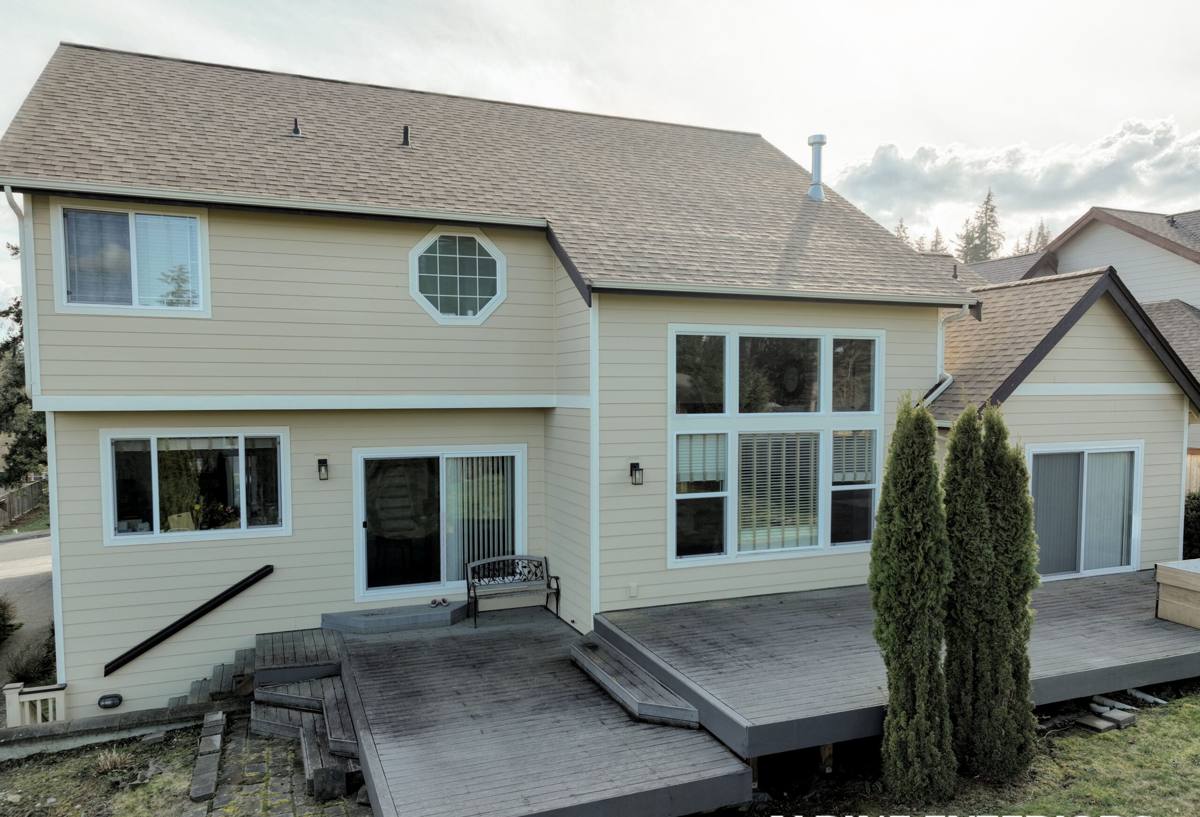
What Pinellas County's Climate Actually Does to a Deck
It's easy to underestimate how much stress a deck absorbs over a Florida summer and hurricane season. A few things compound on each other:
- Hurricane-force wind loads — a deck attached to the house is a lever arm; poor ledger attachment or under-sized post footings are a common failure point in storm damage claims.
- Year-round UV exposure — Florida sun breaks down surface finishes and stresses wood fibers faster than in most of the country, even in shaded yards.
- Wind-driven rain — rain doesn't just fall here, it's pushed sideways into ledger boards, fastener holes, and any gap where water can collect instead of shed.
- Salt air — St. Petersburg sits on a peninsula, and even inland neighborhoods like Old Northeast get salt-laden air off Tampa Bay. Standard fasteners and connectors corrode faster here than the box label assumes.
None of this means a deck can't hold up in St. Petersburg — it means the build details that don't matter much in a drier, calmer climate matter a great deal here.
Old Northeast's Housing Stock Adds Its Own Wrinkles
Ledger Attachment to Older Framing
A lot of homes in this neighborhood were built well before current framing and fastening standards. Tying a new deck ledger into original wall framing sometimes means sistering framing members, using through-bolts instead of lag screws, or flashing details that weren't standard when the house was built. We check what's actually behind the wall before we assume a stock ledger detail will work.
Tree Canopy and Drainage
Mature oaks are part of what makes Old Northeast Old Northeast, but they also mean more leaf litter, longer-lasting shade dampness, and root systems that can complicate footing placement. We plan footing locations and joist spacing with the yard's actual drainage pattern in mind, not just a generic layout.
Lot Size and Setbacks
Many lots here are narrower and closer to neighboring homes than newer construction, which affects how much deck footprint is realistic and where setback lines land. We confirm this against the City of St. Petersburg's permitting requirements before design gets too far along, not after.
Decking Material Options for This Climate
There's no single "right" decking material — each comes with real trade-offs in upfront cost, appearance, and what it demands from you over the next 15-20 years.
| Material | Upfront Cost | Maintenance | How It Handles This Climate |
|---|---|---|---|
| Pressure-treated pine | Lowest | Needs sealing/staining every 1-2 years | Affordable but most sensitive to UV graying and moisture cycling; shortest realistic lifespan here |
| Tropical hardwood (e.g., ipe) | High | Periodic oiling to maintain color | Naturally dense and rot-resistant; handles salt air and UV well if maintained, ages to gray if not |
| Capped composite | Mid-high | Occasional washing, no sealing/staining | Strong UV and moisture resistance; caps resist salt-air staining better than uncapped composite |
| PVC decking | High | Lowest — washing only | Fully synthetic, doesn't absorb moisture; best fastener/corrosion compatibility when paired with stainless hardware |
We don't push one product over another — we walk through what each one actually costs you in upkeep over time, because that's usually the deciding factor once the initial sticker shock wears off.
Fasteners and Hardware Matter as Much as the Decking
A deck is only as durable as its weakest connection. In a salt-air environment, we spec stainless steel or coated, corrosion-rated fasteners and structural connectors rather than standard galvanized hardware, especially at ledger bolts, joist hangers, and post bases where a failure isn't cosmetic — it's structural.
Structure, Permits, and Code — Not Optional in Florida
Florida's building code takes wind load seriously, and St. Petersburg enforces permitting on new deck construction and most significant deck repairs. A code-correct deck in this area accounts for:
- Footing depth and diameter sized to the deck's load and local soil conditions
- Proper ledger flashing so water sheds away from the house, not into the wall assembly
- Joist spacing and beam sizing matched to span tables for the actual decking material used
- Guard and railing height and baluster spacing where the deck height requires it
- Hurricane ties and connectors at key structural points
Skipping or shortcutting any of this doesn't just risk a failed inspection — it risks a deck that doesn't perform in the next major wind event, which is not a hypothetical in this part of Florida.
How We Approach a Custom Deck Project
- On-site assessment: we look at the house's existing framing, the yard's drainage and tree cover, and how the deck should tie into the home's layout and sightlines.
- Design and material selection: we walk through decking, railing, and hardware options against your budget and how much upkeep you actually want to do.
- Permitting: we handle the permit application and coordinate inspections with the City of St. Petersburg so you're not managing that process yourself.
- Construction: footings, framing, decking, and railing, built to the plan and to code, with attention to the ledger and fastener details this climate demands.
- Final walkthrough: we go over the finished deck with you, including what maintenance (if any) the material you chose will need going forward.
Maintenance Realities Specific to This Area
Whatever material you choose, a few things are worth knowing before your first Florida summer with a new deck:
- Wood decking will need re-sealing more often here than up north — plan on inspecting the finish at least once a year, not once every few years.
- Salt air accelerates corrosion on any hardware that isn't rated for it, including screws, hinges, and light fixtures mounted to the deck.
- Shaded areas under tree canopy dry out slower after rain, which is where mildew and algae growth tends to start first.
- Gaps between boards should be checked periodically — debris buildup in the gaps holds moisture against the decking and framing below.
What a Custom Deck Project Typically Costs
Exact pricing depends on size, framing height, material choice, and railing style, but the factors below are what actually move the number:
| Cost Factor | Why It Matters |
|---|---|
| Decking material | Pressure-treated pine sits at the low end; PVC and premium composites sit at the high end |
| Deck height off grade | Taller decks need more substantial footings, framing, and code-required guardrails |
| Footing and access conditions | Mature trees, tight side yards, or limited equipment access can add labor time |
| Railing style | Cable, glass, and custom wood rail designs cost more than standard baluster rail |
| Ledger and tie-in complexity | Older framing sometimes needs extra reinforcement work before a ledger can be attached safely |
A Quick Checklist Before You Hire
- Ask for proof of Florida contractor licensing and current insurance
- Confirm the contractor pulls a permit and schedules required inspections — don't take "we don't need one" at face value
- Ask what fastener and hardware grade they use, and whether it's rated for coastal/salt-air exposure
- Ask how they handle ledger attachment on an older home specifically, not just a generic answer
- Get the material and maintenance trade-offs explained plainly, not just a single recommendation
Why Local Experience in Old Northeast Matters
A contractor who's worked on homes in this specific neighborhood already knows what tends to be behind the wall on a 1920s-1940s bungalow, how the tree canopy and lot layout typically affect footing placement, and what St. Petersburg's permitting office expects on a submission. That's not something you get from experience in a different city or a newer part of Pinellas County — it comes from having actually built decks on streets like the ones in Old Northeast, dealt with the same soil, the same salt air, and the same storm exposure your home faces every year.
If you're weighing a custom deck for your Old Northeast home, we're happy to walk the property, talk through material and design options honestly, and give you a clear picture of what the job involves. Reach out for a free, no-pressure estimate using the form below.