 St. Petersburg Roofing
 Why Decks in Pinellas Park Wear Out Faster Than People Expect
Pinellas Park sits in the middle of a peninsula that takes weather from two directions at once — Tampa Bay on one side, the Gulf on the other. That combination is hard on an exposed wood structure sitting in the backyard year-round. A deck here isn't just dealing with rain and sun the way it might in a drier climate. It's dealing with intense, near-constant UV exposure, wind-driven rain that gets pushed sideways into ledger boards and railings, salt-laden air that accelerates corrosion on fasteners and hardware, and the occasional hurricane-force wind event that tests every connection in the structure.
None of that is unusual for Pinellas County — it's just the cost of living somewhere this good. But it means a deck that was built without those conditions in mind, or one that's simply aged past what its fasteners and framing can handle, tends to fail quietly. Boards can still look decent on the surface while the ledger board, joists, or post bases underneath have already lost most of their strength. That's the gap between a deck that looks fine and a deck that's actually safe.
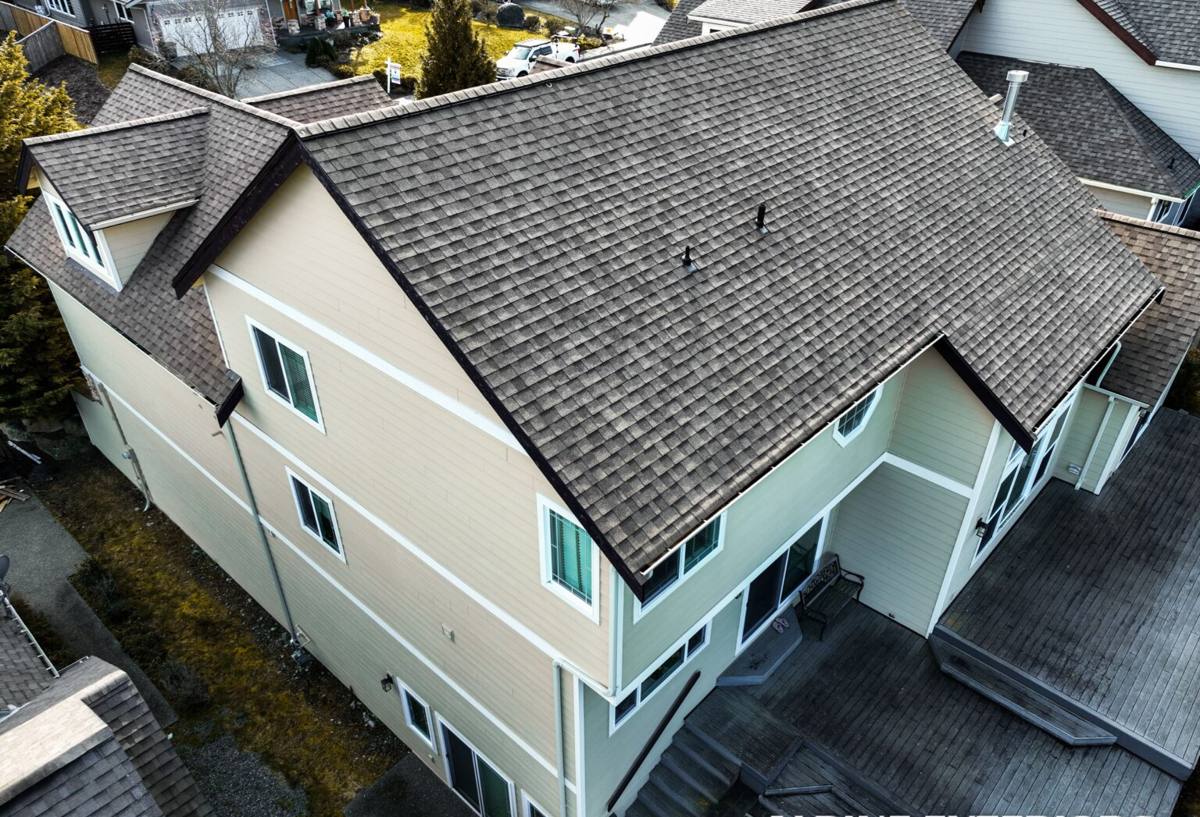
Repair or Replace? How to Tell
Not every deck needs a full replacement, and we won't tell you it does just to sell a bigger job. But there's a point where patching individual boards or sistering a joist stops making sense — either because the structural framing is compromised, or because you'd be spending real money to extend the life of a deck that's already near the end of its usable years. Here's what usually tips a deck from "repair" into "replace" territory:
- Soft, spongy, or crumbling wood at the ledger board (where the deck attaches to the house) — this is the single most common failure point and the most dangerous one
- Rust-streaked or corroded fasteners, especially on older decks built with standard steel hardware instead of coated or stainless connectors
- Posts that wobble or footings that have shifted, cracked, or sunk
- Multiple boards cupping, splitting, or delaminating rather than just a few isolated ones
- A deck more than 15-20 years old that was never re-flashed or re-fastened with modern hardware
- Visible gaps between the deck and the house where wind-driven rain has clearly been getting behind the ledger for years
If what you're seeing is limited to a handful of surface boards or a single loose railing section, a repair can genuinely be the right call. We'll say so. If the framing or ledger connection is the problem, repair is usually just delaying a replacement — and doing it on a structure people stand on.
What a Correct Deck Replacement Actually Involves
A deck replacement is more than pulling up old boards and screwing down new ones. The parts nobody sees — the ledger attachment, the joist hangers, the footings, the flashing — are what determine whether the new deck lasts five years or twenty-five in this climate. A rebuild done right in Pinellas Park generally includes:
Structural Framing
New or reinforced ledger board properly through-bolted (not just nailed) to the house structure, with flashing installed behind it so wind-driven rain can't wick into the house framing. Joists sized and spaced to current building code, with hurricane-rated connectors and hangers at every joint rather than relying on nails alone.
Footings and Posts
Footings poured to the depth Pinellas County code requires, with post bases set above grade so posts aren't sitting in standing water after a heavy rain event. This matters more here than in drier regions — ground-contact rot is one of the fastest ways a deck's structural life gets cut short.
Fasteners and Hardware
Coated or stainless connectors throughout. Salt air corrodes uncoated steel hardware faster than most homeowners realize, and a deck is only as strong as its weakest fastener. This is one of the few places where cutting cost up front reliably costs more later.
Decking Surface
The visible boards — wood, composite, or PVC — installed with proper spacing for drainage and expansion, and fastened in a way that matches the manufacturer's requirements for wind and heat exposure.
Choosing a Decking Material for This Climate
There's no single "best" decking material — there's a best fit for your budget, maintenance appetite, and how much direct sun and weather the deck actually takes. Here's how the common options hold up in Pinellas Park's conditions specifically:
| Material | UV / Heat Behavior | Maintenance | Typical Lifespan Here |
|---|---|---|---|
| Pressure-treated pine | Fades and can check/crack under intense sun without regular sealing | Needs sealing every 1-2 years in this UV exposure | 10-15 years with upkeep |
| Composite decking | Holds color better than wood; can run hot underfoot in direct summer sun | Occasional cleaning, no sealing or staining | 20-25+ years |
| PVC decking | Strong UV and moisture resistance; fully synthetic, doesn't absorb wind-driven rain | Lowest maintenance of the three | 25+ years |
| Tropical hardwoods (e.g., ipe) | Naturally dense and weather-resistant | Periodic oiling to maintain appearance | 20-25+ years |
Our standard is to steer most homeowners toward composite or PVC for full sun exposure and high-visibility areas, simply because the maintenance burden of a sealed wood deck in this much year-round UV is real — it's not that treated wood is a bad product, it's that keeping up with resealing on the schedule it needs is more work than most people want to sign up for. If you want the look and feel of real wood and are willing to maintain it, we'll build it that way. We just won't tell you a material is low-maintenance when it isn't.
Permitting and Code in Pinellas Park
Deck replacements involving structural framing changes typically require a permit through the applicable local building department, and inspections at the footing and framing stages before the decking surface goes down. This isn't paperwork for paperwork's sake — it's the mechanism that confirms footing depth, ledger attachment, and connector hardware actually meet the wind and load requirements for this part of Florida. We handle the permitting and inspection scheduling as part of the job so you're not the one tracking it down.
Our Deck Replacement Process
- On-site assessment of the existing deck's framing, ledger, footings, and decking to determine true scope
- Honest repair-vs-replace recommendation, with the reasoning explained, not just a number
- Material walkthrough — wood, composite, or PVC — matched to your budget and how the deck will actually be used
- Written estimate before any demo begins, no surprise line items added mid-job
- Permit filing and inspection scheduling handled by us
- Full demo and haul-away of the old structure
- Rebuild from the footings up, with hurricane-rated connectors and coated fasteners throughout
- Final walkthrough with you before we consider the job done
Why It Matters That We Already Work in Pinellas Park
Crews that only occasionally work this part of Pinellas County sometimes build to a generic spec — fine for a mild climate, undersized for what a Gulf Coast wind event or a decade of salt air actually does to a structure. We build decks in this area regularly enough to know which details aren't optional here: through-bolted ledgers with proper flashing, corrosion-resistant hardware, footings set to handle both the load and the local water table, and connectors rated for wind uplift, not just vertical load. Those aren't upgrades — in this climate, they're the baseline for a deck that's still solid a decade or two from now.
We also know the local permitting process and inspection expectations, which keeps the job moving instead of stalling on paperwork nobody warned you about.
After the Rebuild: Keeping It Solid
Whatever material you choose, a little seasonal attention goes a long way in this climate:
- Rinse off salt film and debris periodically, especially after storms
- Check railing and stair connections for looseness once or twice a year
- If you went with wood, keep to the sealing schedule — this is the one that gets skipped and shortens lifespan the most
- Keep gutters and downspouts clear so runoff isn't dumping extra water onto footings
- After any major storm, do a quick visual check of posts and the ledger connection before heavy use resumes
A deck built correctly for Pinellas Park's climate shouldn't need much more than that.
If your deck is showing its age or you're just not confident it would hold up through another storm season, we're happy to take a look and give you a straight assessment — no pressure, no inflated scope. Use the form below to request a free estimate.