 St. Petersburg Roofing
 Asphalt Shingle Roofing Built for Disston Heights, Not Just "Florida"
Disston Heights sits inland from the bay but still gets the full package of Pinellas County weather: hurricane-force wind gusts during tropical systems, sun exposure that runs nearly year-round, sudden wind-driven downpours, and a steady drift of salt air off the surrounding coastline. An asphalt shingle roof here isn't judged on how it looks the day it goes on — it's judged on how it holds up through a decade or two of that cycle. That's the standard we build to on every shingle roof we install in this neighborhood.
This page is specifically about asphalt shingle roofing for homes in Disston Heights. If you're comparing materials, weighing a repair against a replacement, or just want to understand what "done right" actually means for a roof in this part of St. Petersburg, this is the detail that matters.
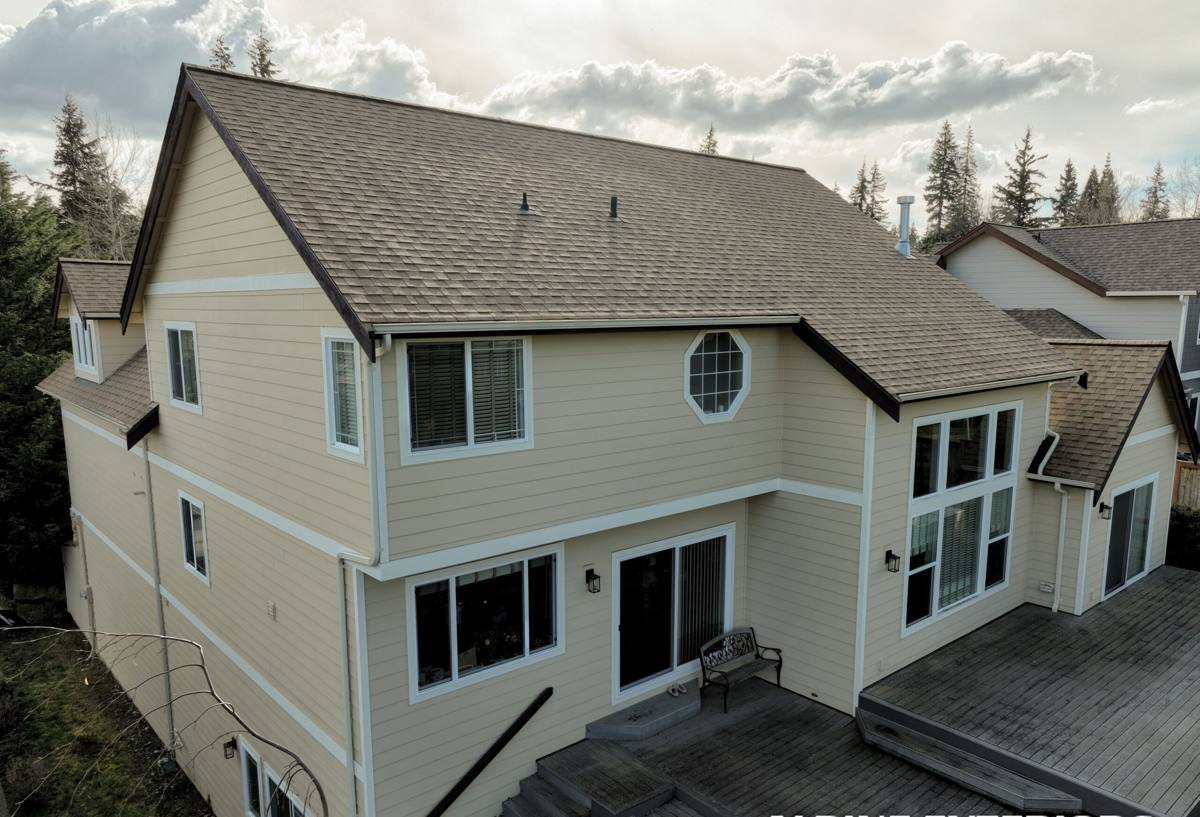
Why the Local Climate Changes What "Correct" Means
Asphalt shingles are engineered products, and their failure modes in Florida are well understood. Four conditions drive almost everything we plan for on a Disston Heights roof:
- Wind uplift: Hurricane-force gusts don't just push down on a roof — they create lift at the edges, ridges, and corners, which is where poorly fastened shingles peel first.
- UV exposure: Year-round sun breaks down asphalt oils over time, making shingles brittle and more prone to granule loss and cracking well before their rated lifespan if the roof isn't ventilated properly.
- Wind-driven rain: St. Petersburg storms rarely drop straight down. Rain gets pushed sideways under shingle edges and around penetrations, which means underlayment and flashing details matter as much as the shingles themselves.
- Salt air: Even away from the immediate coastline, airborne salt accelerates corrosion on exposed metal — nails, flashing, vent stacks — which is a big part of why fastener choice and flashing material matter more here than in inland states.
None of these are exotic problems. They're just the baseline for any roof in this part of Pinellas County, and they shape every decision below.
What a Properly Installed Shingle Roof Includes Here
Underlayment
A synthetic or self-adhering underlayment layer goes down before shingles ever touch the deck. In a wind-driven rain climate, this layer is your backup water barrier if wind ever forces moisture past the shingle surface — it's not optional, and it's not something a homeowner can inspect once the roof is finished, which is exactly why it needs to be right the first time.
Nailing pattern and fastener count
Shingle wind ratings are only as good as the installation. Using the correct nail count per shingle, placing nails in the manufacturer's specified nailing zone, and matching fastener length to deck thickness is what actually determines whether a shingle stays put in a 100+ mph gust — not just the product's rated wind speed on the wrapper.
Flashing at every penetration
Roof-to-wall junctions, chimneys, vent stacks, and skylights are the most common places a shingle roof leaks — almost never the open field of shingles. Corrosion-resistant flashing, properly stepped and sealed, is where wind-driven rain and salt air do the most damage over time if it's cut short.
Ventilation
A hot, poorly ventilated attic bakes shingles from underneath, shortening their life regardless of how good the product is. Balanced intake and exhaust ventilation keeps attic temperatures down and reduces the UV-plus-heat combination that ages asphalt shingles fastest in Florida.
Starter strips and ridge caps
These are the pieces most likely to get skipped or under-fastened on a rushed job, and they're also the pieces under the highest wind load — roof edges and ridges see the strongest uplift forces in a storm.
Wind Ratings and What They Mean in Pinellas County
Shingles sold for Florida markets typically carry wind ratings from around 110 mph up to 130 mph or higher, tested under ASTM standards for wind resistance. But a wind rating describes the shingle's laboratory performance — not the roof's real-world performance. A high-rated shingle installed with the wrong nail pattern or missing starter strip can underperform a lower-rated shingle installed correctly. We install to match both the product's rating and the fastening requirements that rating depends on, and any roof work in the city goes through the standard Pinellas County/City of St. Petersburg permitting and inspection process — that inspection is a useful check on the installation, not just paperwork.
3-Tab vs. Architectural Shingles
| Factor | 3-Tab Shingles | Architectural (Laminate) Shingles |
|---|---|---|
| Typical wind rating | Lower end of the range | Higher end of the range |
| Wind performance | Single-layer, lighter profile | Multi-layer construction resists uplift better |
| Appearance | Flat, uniform look | Dimensional, shadow-line look |
| Typical lifespan in this climate | Shorter | Longer, with proper ventilation |
| Upfront cost | Lower | Moderate premium |
Given the wind and UV exposure Disston Heights homes deal with, we generally recommend architectural shingles as the better long-term value, though 3-tab remains a legitimate option for homeowners prioritizing upfront cost on a well-ventilated, straightforward roof.
Salt Air and Material Choices That Actually Matter
Salt air doesn't degrade the asphalt itself as much as it accelerates corrosion in the metal components tied to the roof system. That's why we pay close attention to:
- Using corrosion-resistant fasteners and flashing rather than standard-grade materials
- Sealing and detailing vent stacks and pipe boots, which are common points of early metal fatigue
- Choosing gutter and drip edge materials that hold up alongside the shingle system, not just the shingles alone
A shingle roof is a system, not just a surface — the metal details are often what fail first in a salt-air environment, well before the shingles themselves are due for replacement.
Our Process for a Disston Heights Shingle Roof
- Inspection and assessment: We check the existing roof, deck condition, ventilation, and flashing details, and document anything that needs attention beyond the shingle layer itself.
- Deck evaluation: Once tear-off begins, we inspect the plywood or OSB decking underneath for soft spots, rot, or prior water damage — this is often where hidden problems from an older roof surface.
- Underlayment and flashing installation: New underlayment and flashing go down before a single shingle is placed, with special attention to valleys, penetrations, and roof-to-wall transitions.
- Shingle installation: Shingles go on with manufacturer-specified nail patterns and counts, matched to the product's wind rating and the job's local wind zone requirements.
- Ridge, ventilation, and finishing details: Ridge caps, ventilation components, and edge details are completed and checked before cleanup.
- Cleanup and final walkthrough: We clear debris, run a magnetic sweep for stray nails, and walk the finished roof with the homeowner.
What Affects the Cost of a Shingle Roof Here
| Factor | Why It Matters |
|---|---|
| Roof size and pitch | More surface area and steeper slopes mean more material and labor time |
| Number of penetrations and valleys | Each vent, chimney, or valley adds flashing work and labor |
| Deck condition | Rotted or soft decking found during tear-off requires replacement before shingles go down |
| Shingle type | Architectural shingles cost more upfront than 3-tab but generally last longer here |
| Ventilation upgrades | Adding or correcting attic ventilation adds cost but extends shingle life |
| Permit and inspection requirements | Standard for any full roof replacement in the city and county |
Exact pricing depends on these factors together, which is why we walk every roof in person before quoting rather than pricing off square footage alone.
Signs a Disston Heights Roof Needs Attention Now
- Missing, curling, or cracked shingles, especially near edges or ridges after a windy stretch
- Granules collecting in gutters or at downspout outlets
- Visible daylight or water stains in the attic near roof penetrations
- Soft or spongy spots when walking the roof deck
- Shingles that look faded, brittle, or noticeably older than the rest of the roof
- Rusted or lifted flashing around vents, chimneys, or wall junctions
Any one of these on its own may just need a targeted repair. Several at once, especially on an older roof, usually points toward a full replacement being the more cost-effective path.
Why a Crew That Already Works Disston Heights Matters
A roof isn't a generic product — it's installed against a specific house, in a specific wind exposure, under a specific set of code requirements. A crew that already does regular work in Disston Heights and the surrounding St. Petersburg area has a working sense of what these roofs are up against: the wind exposure patterns in this part of Pinellas County, the permitting process with the local building department, and the kind of deck and flashing conditions common in homes of this area's typical age and construction. That familiarity shows up in fewer surprises during tear-off, tighter estimates, and a finished roof that's built for what this specific location will actually experience — not a one-size-fits-all install.
After the Install: Keeping a Shingle Roof Performing
A correctly installed shingle roof still benefits from basic upkeep in this climate. Keep gutters clear so wind-driven rain has somewhere to go, have the roof looked at after any major storm, and don't ignore small issues like a lifted shingle or a rusted vent boot — in salt air and high UV, small problems compound faster than they would elsewhere. A quick annual check is far cheaper than a deferred repair.
If you're weighing a repair against a replacement, or just want an honest read on what your current shingle roof has left in it, we're happy to take a look. Request a free, no-pressure estimate using the form below — there's no obligation, and no hard sell.