 St. Petersburg Roofing
 Disston Heights Roofs Face a Different Kind of Wear
Disston Heights sits inland enough to feel like a quiet, established neighborhood, but it's still well within the reach of everything Tampa Bay weather throws at a roof. Pinellas County homes here deal with the same combination that wears down roofs all along the Gulf Coast: hurricane-force wind events, sun that beats down nearly every day of the year, wind-driven rain that finds every weak seam, and a steady dose of salt air moving in off the water. None of these are occasional problems. They're the baseline conditions a roof in this neighborhood lives with year-round, and they add up faster than most homeowners expect.
A roof that's a decade or two old in Disston Heights has usually absorbed more punishment than a similar-age roof in a drier, calmer climate. That's not a scare tactic — it's just the physics of asphalt, wood, and metal exposed to intense UV and repeated wind loading. When a roof gets to the point where patch repairs aren't holding anymore, a full new roof installation, done correctly for this specific climate, is the more honest and more cost-effective path forward.
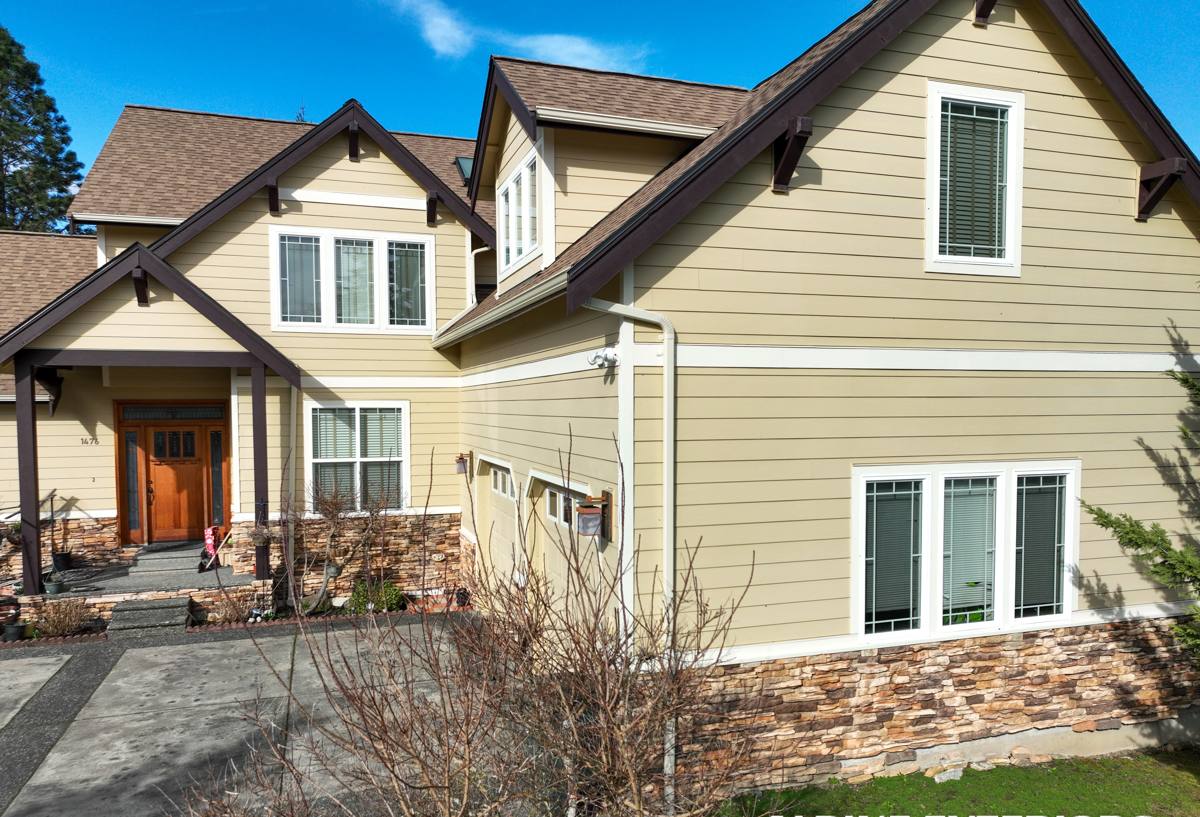
Signs a Disston Heights Home Needs a New Roof, Not Another Repair
Not every roofing problem calls for a full tear-off. But there are clear signals that patchwork has run its course and a new installation is the smarter move:
- Shingles that are cupping, curling, or losing granules across large sections of the roof, not just one spot
- Multiple leak points that keep appearing in different areas after repairs
- Visible sagging in the roof deck, which points to underlying wood damage
- A roof approaching or past its expected service life, especially if it's never been through a full inspection after a hurricane season
- Rising insurance premiums or a carrier flagging the roof's age during a policy review
- Flashing around chimneys, vents, or valleys that's corroded or was never installed correctly the first time
If a roof is showing two or more of these signs at once, repair costs start adding up toward what a properly installed new roof would cost anyway — without solving the underlying issue.
What "Correct" Actually Means for This Climate
A new roof installation done for Disston Heights needs to hold up to wind uplift, shed wind-driven rain instead of letting it work sideways under the shingles, and survive constant UV exposure without breaking down prematurely. That means the details matter more here than they would in a milder climate.
Deck Inspection and Repair
Every square foot of the roof deck gets inspected once the old roofing material is off. Soft spots, rot, or delamination from years of moisture intrusion get replaced before anything new goes down. Installing new roofing over a compromised deck is one of the most common shortcuts that leads to early failure, and it's not one we take.
Underlayment
A synthetic or self-adhering underlayment rated for wind-driven rain gives the roof a second line of defense if wind ever pushes water up under the shingle tabs. In this climate, that's not an upgrade — it's a baseline expectation.
Fastening and Wind Rating
Florida Building Code sets nailing patterns and wind-rating requirements specifically because of storm exposure along the coast. Correct nail placement, count, and shingle wind rating are what separate a roof that stays put in a high-wind event from one that doesn't.
Flashing and Ventilation
Flashing at valleys, chimneys, walls, and roof penetrations has to be formed and sealed correctly, not just caulked over. Proper attic ventilation also matters here — it keeps heat and moisture from building up under the roof deck, which extends the life of the materials above it.
Roofing Materials: What Holds Up Locally
There's no single "best" roofing material for every home — it depends on budget, roof pitch, HOA requirements, and how long the homeowner plans to stay in the house. Here's how the common options compare for a Disston Heights installation:
| Material | Typical Lifespan Here | Wind Performance | Maintenance Notes |
|---|---|---|---|
| Architectural asphalt shingle | 18-25 years | Good with proper wind-rated product and nailing | Most common choice; periodic inspection after storms recommended |
| Standing seam metal | 35-50 years | Excellent when properly fastened | Higher upfront cost; minimal ongoing maintenance |
| Concrete or clay tile | 40-50+ years | Good, but individual tiles can crack from impact or foot traffic | Underlayment condition matters more than the tile itself over time |
| 3-tab asphalt shingle | 12-18 years | Lower wind resistance than architectural shingles | Lower cost but shorter service life in this climate |
We don't push any one product as the only correct answer. What we do insist on is honest trade-offs: a lower-cost material bought without wind-rated specs or proper installation isn't actually saving money if it needs replacing again in ten years.
Our Installation Process
Every new roof we install follows the same sequence, regardless of material:
- On-site inspection and estimate — we look at the existing roof, attic ventilation, and any problem areas before quoting anything
- Material selection — we walk through options based on budget, home style, and how long the roof needs to last
- Permitting — pulled through the appropriate local authority before work starts, as required for new roof installations in Pinellas County
- Tear-off and deck inspection — old material removed, deck checked and repaired as needed
- Underlayment and flashing installation — the layer most homeowners never see but that determines how the roof handles wind-driven rain
- Roofing material installation — installed to manufacturer spec and Florida Building Code wind requirements
- Final walkthrough and cleanup — magnetic sweep for debris, final inspection with the homeowner
We don't skip the deck inspection step or the permitting step to save time. Both are exactly where corners get cut on rushed jobs, and both are exactly what causes problems three or five years down the line.
Permits and Wind Mitigation: Don't Skip This Part
A new roof installation in Pinellas County requires a permit, and skipping that step — even if a contractor offers to — leaves the homeowner exposed if there's ever an insurance claim or a home sale down the line. Permitted work also means a final inspection confirms the installation meets current Florida Building Code wind requirements.
It's also worth getting a wind mitigation inspection after a new roof goes in. Many insurance carriers offer meaningful premium discounts for roofs that meet current hurricane-resistant standards, and a new installation is the natural time to document that. It's a conversation worth having with your insurance agent once the roof is complete.
Why a Crew That Already Works Disston Heights Matters
Roofing crews that work this specific area regularly know the practical details that don't show up in a generic estimate: which permitting steps the local authority expects, how roof pitches and styles tend to run in this neighborhood, and what kind of storm exposure the area has actually seen in recent years. That familiarity shows up in fewer surprises during the job and a more accurate estimate up front.
There's also a simple logistics benefit. A crew already working in and around St. Petersburg can respond faster if weather delays a project or if a question comes up after the job is done, instead of a contractor who has to travel a long distance for every visit.
What Affects the Cost of a New Roof Installation
| Factor | Why It Matters |
|---|---|
| Roof size and complexity | More valleys, dormers, and penetrations mean more labor and flashing work |
| Material choice | Asphalt, metal, and tile carry very different material and labor costs |
| Deck condition | Rotted or damaged decking found during tear-off adds material and labor |
| Roof pitch and accessibility | Steeper or harder-to-access roofs take longer and require more safety equipment |
| Current layers of roofing | Removing multiple old layers adds disposal and labor time |
Broad ranges for a typical residential asphalt shingle roof in this area run from the low thousands to the high teens of thousands of dollars, depending heavily on the factors above; metal and tile installations run higher. An accurate number only comes from an actual on-site look at the roof.
How to Vet a Contractor for This Job
- Confirm they're licensed to work in Florida and carry current liability and workers' comp insurance
- Ask whether they pull permits themselves or expect the homeowner to handle it
- Get the shingle or material's wind rating in writing, not just a verbal assurance
- Ask what underlayment they use and whether it's rated for wind-driven rain
- Get a written estimate that breaks out tear-off, deck repair contingency, and installation separately
- Ask how they handle unexpected deck damage found after tear-off begins
A contractor who answers these questions clearly and in writing, without hedging, is usually one worth trusting with the job.
If your roof in Disston Heights is showing its age or you're planning ahead of the next storm season, we're happy to take a look and walk you through your options. The estimate is free, there's no pressure, and you'll get a straight answer about whether repair or replacement makes more sense for your situation — just fill out the form below to get started.