 St. Petersburg Roofing
 Roof Repair Built for Disston Heights Homes
Disston Heights sits in one of St. Petersburg's older, established residential pockets, and that history shows up on the roofs. Homes in this part of Pinellas County span decades of construction styles, from mid-century single-story ranches to newer infill builds, and each roof type ages differently under Florida's punishing weather. Whether you're dealing with a slow ceiling stain after last week's storm or you noticed a contractor's truck parked at a neighbor's house and started wondering about your own roof, the goal of this page is simple: explain what roof repair actually looks like for a St. Petersburg home, what drives the need for it here specifically, and how a crew that works this neighborhood regularly handles the job differently than someone driving in from across the bay.
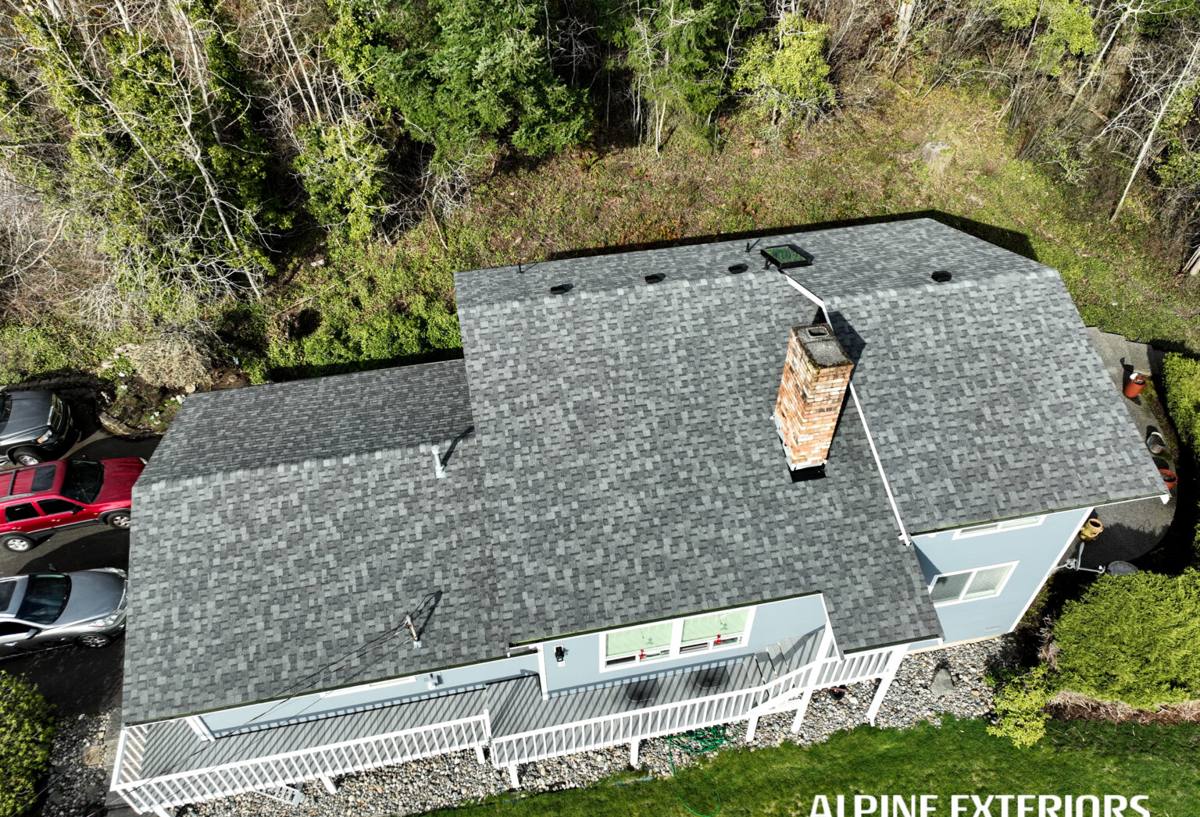
Why Roofs in This Part of St. Petersburg Wear Out Faster
Every roof in Pinellas County fights the same four-part battle: hurricane-force wind events, relentless year-round UV exposure, wind-driven rain that finds every gap, and salt-laden air that accelerates corrosion on metal components. Disston Heights isn't immune to any of it, and depending on tree cover and lot orientation, some homes take a harder hit from one factor than others.
Sun and Heat
Florida sun isn't seasonal — it's a daily, year-round load on asphalt shingles, underlayment, and sealants. UV breaks down the asphaltic oils in shingles over time, making them brittle and prone to cracking or granule loss. On flat or low-slope sections common on additions and garages, that same UV exposure accelerates membrane aging and seam failure.
Wind-Driven Rain
Regular thunderstorms and the occasional tropical system don't just dump rain — they push it sideways under wind pressure. That's a very different stress than a calm, straight-down rain. Wind-driven rain finds lifted shingle edges, aged flashing, and nail pops that would never leak in a gentler climate, and it's the single most common reason a "fine" roof suddenly starts leaking during a storm.
Hurricane-Force Wind Events
Even when a storm doesn't make a direct hit, St. Petersburg regularly sits inside the wind field of passing or nearby systems. Sustained high winds and gusts stress shingle adhesive bonds, work fasteners loose, and can lift ridge caps and flashing edges that then become the entry point for the next rain event.
Salt Air
St. Petersburg's coastal position means airborne salt reaches well inland, not just along the waterfront. Salt accelerates corrosion on exposed metal — nails, flashing, vent boots, gutter hardware — which is why roofs here often show metal-related failures earlier than the same materials would in an inland, non-coastal market.
Common Roof Repair Needs We See in This Area
No two roofs fail the same way, but certain issues show up again and again on homes in this part of Pinellas County:
- Cracked, curling, or granule-bare shingles from prolonged UV exposure
- Lifted or missing shingles after wind events, even when the storm wasn't a named hurricane
- Flashing failures around chimneys, skylights, and roof-to-wall transitions
- Deteriorated pipe boots and vent seals — usually rubber components that age faster than the roof around them
- Nail pops and fastener backout from thermal expansion and contraction
- Soft spots or sagging decking from long-term, slow-drip leaks that went unnoticed
- Corroded or rusted metal flashing and fasteners from salt air exposure
- Clogged or damaged gutters contributing to water backing up under the roof edge
Some of these are obvious from the ground. Others — like a slow leak at a chimney flashing — can go unnoticed for months, quietly damaging decking and insulation before a stain ever appears on a ceiling.
What a Correct Repair Actually Involves
A roof repair done right isn't just "patch what's visibly wrong and go." It starts with figuring out the actual source of the problem, which is often not where the water is showing up inside the house — water travels along rafters and decking before it drips, so an interior stain can be several feet from the true entry point.
Inspection First
We start by getting on the roof (not just looking from the ground) to check the shingles, flashing, penetrations, and decking condition in the affected area and the surrounding sections. We're looking for the actual entry point, not just the symptom.
Matching Materials and Technique to the Existing Roof
A repair should blend with what's already there — matching shingle type, color, and exposure as closely as possible, and using flashing and fastening methods appropriate to the existing roof system. A mismatched patch job is often more obvious, and sometimes more vulnerable, than the original damage.
Addressing the Root Cause, Not Just the Symptom
If decking underneath is soft or water-damaged, that gets replaced — not just covered over. If a flashing detail was installed incorrectly to begin with, we correct the detail rather than just resealing it. Caulk and sealant have their place, but they're not a substitute for proper flashing and shingle technique, especially in a climate that puts this much cyclical stress on a roof.
Checking Adjacent Areas
Wind and water damage rarely stay perfectly contained to one spot. Part of a thorough repair is checking the shingles, flashing, and fasteners immediately around the repair zone so a second leak doesn't show up a few months later somewhere nearby.
Our Repair Process
Homeowners generally want to know two things upfront: what's actually wrong, and what it's going to take to fix it properly. Here's how we approach that.
- Initial contact and scheduling — we gather basic details about the issue (leak location, age of roof if known, any recent storm activity) to prepare for the visit.
- On-roof inspection — a hands-on look at the roof surface, flashing, penetrations, and decking in the problem area, plus a general check of overall roof condition.
- Clear explanation and estimate — we walk through what we found, what's causing it, and what the repair involves, in plain language, before any work begins.
- Repair work — the actual fix: shingle replacement, flashing correction, decking repair, sealant work, or a combination, done to match the existing roof.
- Final check — confirming the repair area is watertight and that surrounding sections weren't overlooked.
Repair vs. Replacement: How We Help You Decide
Not every roof problem means you need a full replacement, and not every "small leak" is actually small once you're up there looking at decking condition. The honest answer depends on the roof's age, how widespread the damage is, and how many prior repairs it's already had.
| Factor | Repair Usually Makes Sense | Replacement Worth Discussing |
|---|---|---|
| Roof age | Well within expected lifespan for the material | Approaching or past typical service life |
| Damage scope | Localized — one area, one clear cause | Multiple areas, or damage spread across the roof |
| Decking condition | Solid, no widespread soft spots | Soft or damaged decking in multiple locations |
| Repair history | First or infrequent repair | Repeated repairs to different areas over time |
| Underlying cause | Isolated storm damage or aged flashing detail | Systemic wear consistent with overall roof age |
We'll always tell you honestly which category your roof falls into rather than defaulting to the more expensive answer. Plenty of roofs just need a targeted, well-done repair to be solid again for years.
Storm Damage: What to Check After Wind Events
After any significant wind or rain event, it's worth doing a quick visual check from the ground before calling anyone out. A few signs are worth noting:
- Shingles visible in the yard or gutters after a storm
- Visible gaps, curling, or discoloration in a shingle pattern from the ground
- New or worsening stains on interior ceilings, especially near chimneys or skylights
- Granules collecting at downspouts (a sign of accelerated shingle wear)
- Sagging or uneven roofline sections
None of these automatically mean a major problem, but any of them are worth having looked at, especially after a named storm or a stretch of high-wind days that's common for this part of the Gulf Coast.
Why Hiring a Crew That Already Works Disston Heights Matters
A roof repair company that regularly works in and around St. Petersburg understands the practical realities specific to this area — permitting expectations with Pinellas County and the City of St. Petersburg, the mix of roof ages and styles common in established neighborhoods like this one, and how quickly small deferred issues can turn into bigger ones given the local climate. That local familiarity means fewer surprises and a faster, more accurate diagnosis when you call.
It also means accountability. A company with an ongoing local presence has a reputation in the community to maintain, which matters when you're trusting someone to get on your roof and make decisions about what does and doesn't need to be fixed.
Maintaining Your Roof Between Repairs
A repair shouldn't be the only maintenance a roof gets. A few habits go a long way in this climate:
- Keep gutters clear so water isn't backing up under the roof edge during heavy rain
- Trim back overhanging branches that drop debris or create abrasion points
- Do a visual check from the ground after major storms
- Address small leaks early — a quick repair now is almost always cheaper than the decking and interior damage from an ignored one
- Have the roof looked at periodically even without an active problem, especially as it approaches the back half of its expected lifespan
Get a Straight Answer About Your Roof
If you're dealing with a leak, storm damage, or just want an honest opinion on the condition of your roof, we're happy to take a look. We'll give you a clear explanation of what we find and a straightforward estimate — no pressure, no upsell, just what your roof actually needs. Use the form below to request a free estimate.