 St. Petersburg Roofing
 Siding Built for What Euclid-St. Paul Actually Deals With
Euclid-St. Paul sits in the heart of St. Petersburg, close enough to Tampa Bay and the Gulf that the air carries salt year-round and far enough inland that homeowners sometimes assume that buys them a break from coastal wear. It doesn't, not really. The bungalows, mid-century ranches, and newer infill homes in this neighborhood all take the same beating: intense UV nearly every day of the year, wind-driven rain during summer storms, tropical-storm and hurricane-force gusts during the season, and a steady dose of salt air that finds its way into every crack and fastener hole. Siding here isn't just a cosmetic layer — it's the first line of defense against a climate that doesn't let up.
This page is about one job done right in one neighborhood: fiber cement siding installation and replacement for Euclid-St. Paul homes. We don't install vinyl, LP SmartSide, primed wood, or other fiber cement brands. We install James Hardie exclusively, and we'll explain why, what a correct installation actually requires here, and why it matters that the crew on your roofline already knows this specific pocket of St. Petersburg.
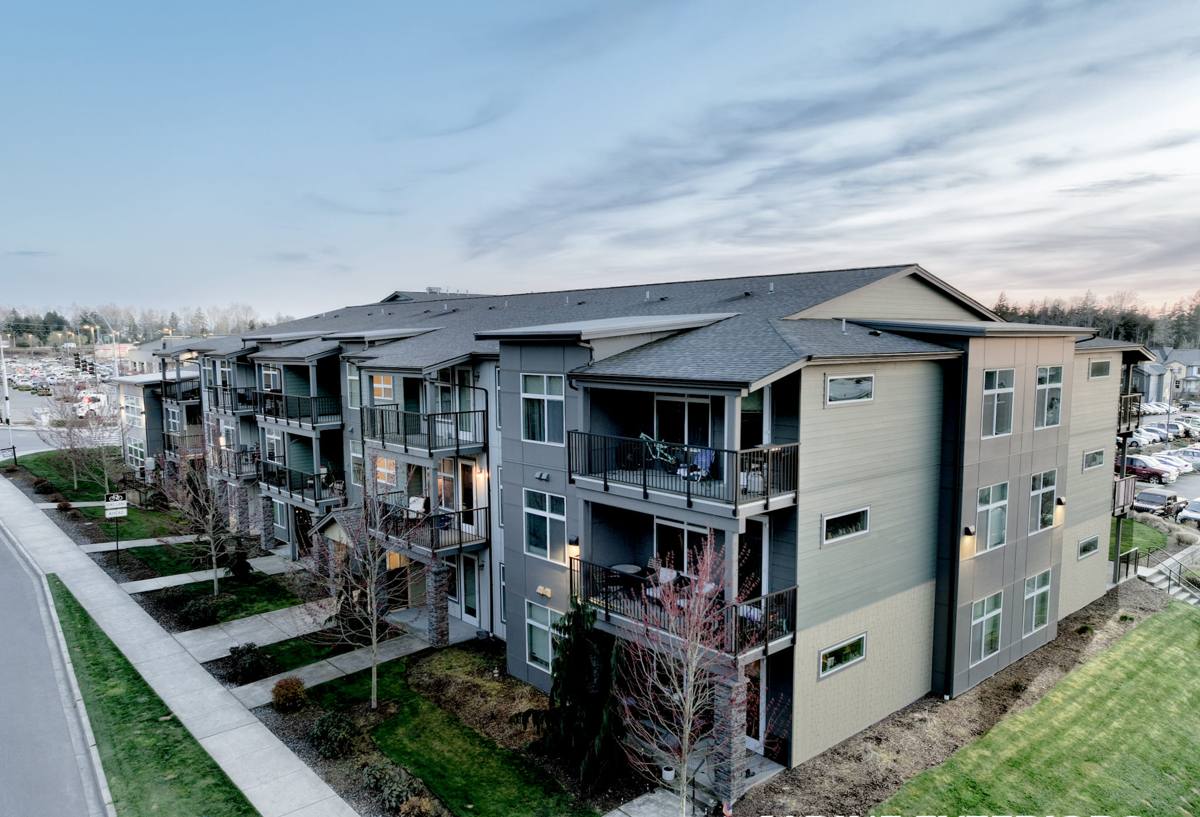
What Pinellas County's Climate Does to Siding Over Time
UV and Heat
Florida sun is relentless. Cheaper siding materials — vinyl especially — soften, warp, or fade within a handful of years under this kind of sustained UV load. Paint on wood siding chalks and breaks down faster than manufacturers' warranties assume. Fiber cement resists UV degradation structurally, but the finish still matters: a factory-baked finish holds color and integrity far longer than a field-applied coat that has to fight Florida sun from day one.
Wind-Driven Rain
St. Petersburg's storms rarely just fall straight down — wind pushes rain sideways, into laps, seams, and trim joints. Siding that isn't installed with proper overlaps, flashing, and sealed penetrations lets water behind the cladding, where it soaks sheathing and framing long before anyone notices a problem on the surface.
Hurricane and Tropical-Storm Wind Loads
Pinellas County sits in a wind-borne debris region, and Euclid-St. Paul is no exception. Siding has to stay fastened through sustained gusts, not just survive a light breeze. Fastener spacing, fastener type, and substrate condition all matter more here than they would in a calmer climate.
Salt Air
Even a few miles from open water, salt aerosol corrodes unprotected metal fasteners and trim, and it accelerates the breakdown of lower-grade coatings. Over years, that corrosion telegraphs through paint and finish, showing up as staining, streaking, or fastener pops.
Why We Install Only James Hardie Fiber Cement
We've made a deliberate call as a company: James Hardie is the only siding product we put on homes, including here in Euclid-St. Paul. That's not brand loyalty for its own sake — it's a professional standard built around what actually holds up in this climate over decades, not just the first few years.
Non-Combustible Material
Fiber cement is roughly 90% sand, cement, and cellulose fiber. It doesn't burn, warp from heat the way vinyl does, or rot the way untreated wood does. That matters in a state where summer heat regularly pushes exterior surface temperatures well above ambient air temperature.
HZ5 Engineering for Florida
James Hardie engineers its HardieZone system by climate. Homes in our part of Florida fall into the HZ5 category, which is formulated and tested specifically for high humidity, heavy rain exposure, and the moisture cycling that comes with a subtropical climate. That's a meaningful difference from a generic siding product engineered for a national average climate that doesn't really exist anywhere.
ColorPlus Factory Finish
Rather than relying on a paint crew to apply and cure a finish on-site under variable weather, ColorPlus finishes are baked on in a controlled factory process. The result is a finish that resists fading, chipping, and cracking far better than field-applied paint, and it comes backed by its own finish warranty separate from the substrate warranty.
A Warranty You Can Actually Transfer
James Hardie's product warranties are transferable to a subsequent homeowner within the coverage window, which matters for resale in a neighborhood where homes turn over. A siding product with a thin or non-transferable warranty is a weaker asset when it's time to sell.
What a Correct Fiber Cement Installation Actually Involves
Fiber cement siding is only as good as its installation. Hardie's own technical bulletins are specific and detailed, and skipping steps is exactly how homeowners end up with problems that get blamed on the material when the real cause was a shortcut during installation.
Substrate and Moisture Barrier
Old siding, damaged sheathing, and any hidden rot need to come off and be repaired before new siding goes up. A weather-resistive barrier gets installed correctly lapped, shingle-style, so water sheds outward rather than working its way behind the cladding.
Clearance and Flashing
Manufacturer specs call for minimum clearance from grade, roof lines, decks, and horizontal surfaces so the bottom edge of the siding isn't sitting in standing water or constant splash-back. Flashing at windows, doors, and any wall penetration has to be installed to shed water down and out, not trap it.
Fastening
Fastener type, spacing, and depth all affect wind performance and long-term durability, especially in a wind-borne debris region like Pinellas County. Corrosion-resistant fasteners matter more here than in inland, drier climates.
Joints, Caulking, and Paint Touch-Up
Butt joints need to be treated correctly — sometimes with a batten, sometimes with a specified sealant — and any field-cut edges need to be primed and painted to match the factory finish so the cut edge doesn't become the first point of failure.
Installation Checklist We Hold Ourselves To
- Full tear-off and inspection of sheathing for rot or water damage before new siding goes up
- Weather-resistive barrier installed and lapped per manufacturer requirements
- Correct clearance maintained from grade, roofs, decks, and patios
- Flashing installed at every window, door, and wall penetration
- Fastener type, spacing, and embedment matched to Hardie's published specifications
- Butt joints and field cuts sealed and touched up per finish requirements
- Final walk-through comparing the finished job against manufacturer installation instructions
Our Process for Euclid-St. Paul Projects
The steps are the same craft on every home, but the details change with each property's exposure, age, and existing siding condition.
1. On-Site Inspection
We look at existing siding, trim, and any visible water staining or soft spots, and we check the home's exposure — how much direct sun, how close to open water or heavy tree cover, which walls take the worst of storm-driven rain.
2. Scope and Product Selection
We walk through the relevant HardiePlank, HardiePanel, or HardieShingle options and ColorPlus finish choices, matched to the home's style and to the HOA or neighborhood character where relevant.
3. Tear-Off and Substrate Repair
Old siding comes off, sheathing gets inspected, and any rot or moisture damage gets repaired before anything new goes up — never covered over.
4. Installation to Manufacturer Spec
Barrier, flashing, fastening, and finish work all follow James Hardie's published installation guidelines, not shortcuts to save labor time.
5. Final Walk-Through
We review the completed job with the homeowner, point out what was addressed, and answer questions about care and maintenance going forward.
Comparing Siding Options for This Climate
Homeowners in Euclid-St. Paul often ask how fiber cement stacks up against the alternatives. Here's an honest comparison based on how each material tends to perform in Pinellas County's specific conditions — heat, humidity, wind, and salt air — not generic national averages.
| Material | UV/Heat Resistance | Wind Performance | Moisture Behavior | Typical Lifespan Here |
|---|---|---|---|---|
| James Hardie Fiber Cement | Excellent, factory finish | Strong when installed to spec | Non-combustible, dimensionally stable | 30+ years |
| Vinyl | Softens/warps under sustained heat | Can deform or blow off in high gusts | Doesn't rot but seams can trap water | 15-20 years |
| LP SmartSide (engineered wood) | Moderate, finish-dependent | Good when fastened correctly | Vulnerable to edge swelling if moisture intrudes | 20-25 years |
| Primed Wood/Cedar | Requires frequent repainting | Moderate | Prone to rot and insect damage in humidity | 10-20 years with upkeep |
This isn't a claim that other materials are unusable — plenty of manufacturers build a reasonable product. It's why, after weighing maintenance burden, moisture behavior, and long-term performance in this specific climate, we standardized on one system and stopped installing the rest.
Signs Your Current Siding May Need Replacing
- Visible warping, buckling, or gaps between siding panels
- Paint that's chalking, peeling, or fading unevenly across sun-exposed walls
- Soft spots or give when you press on the siding near the bottom edge
- Staining or streaking that keeps returning after cleaning
- Rising utility bills that suggest air and moisture are getting through the wall assembly
- Visible rust bleed around fasteners or trim
Why a Crew That Already Works Euclid-St. Paul Matters
Siding installation isn't uniform across St. Petersburg. A crew that regularly works Euclid-St. Paul already understands the housing stock here — the mix of older bungalow framing and newer construction, the exposure patterns from block to block, and how HOA or historic-character expectations shape material and color choices in this part of the city. That familiarity shows up in fewer surprises during tear-off, faster accurate estimates, and installation decisions that account for how this neighborhood's homes actually behave in Pinellas County weather, not a generic playbook applied the same way everywhere.
It also means faster response if a warranty question or storm-related concern comes up later — a local crew with a track record in the neighborhood isn't starting from zero on your home's history.
If your Euclid-St. Paul home's siding is showing its age or you're planning ahead of storm season, we're happy to take a look and give you a straightforward, no-pressure estimate — just fill out the form below.