 St. Petersburg Roofing
 Roof Replacement Built for Euclid-St. Paul
Euclid-St. Paul sits in the heart of St. Petersburg, and like most established neighborhoods in this part of Pinellas County, it's a mix of older bungalows, mid-century homes, and newer renovations sitting side by side. That mix matters when it comes to roofing. A roof that's twenty or thirty years old on an older home is working with a very different structure, ventilation setup, and code history than a roof installed in the last decade. A correct roof replacement in this neighborhood starts with understanding what's actually on the house, not just swapping old shingles for new ones.
We work on homes throughout St. Petersburg, and Euclid-St. Paul specifically comes with its own patterns: roof shapes that reflect decades of additions and updates, a range of decking and framing conditions underneath, and the same relentless Florida exposure every roof in the area deals with. Getting a replacement right here means respecting both the house's age and the climate it has to survive.
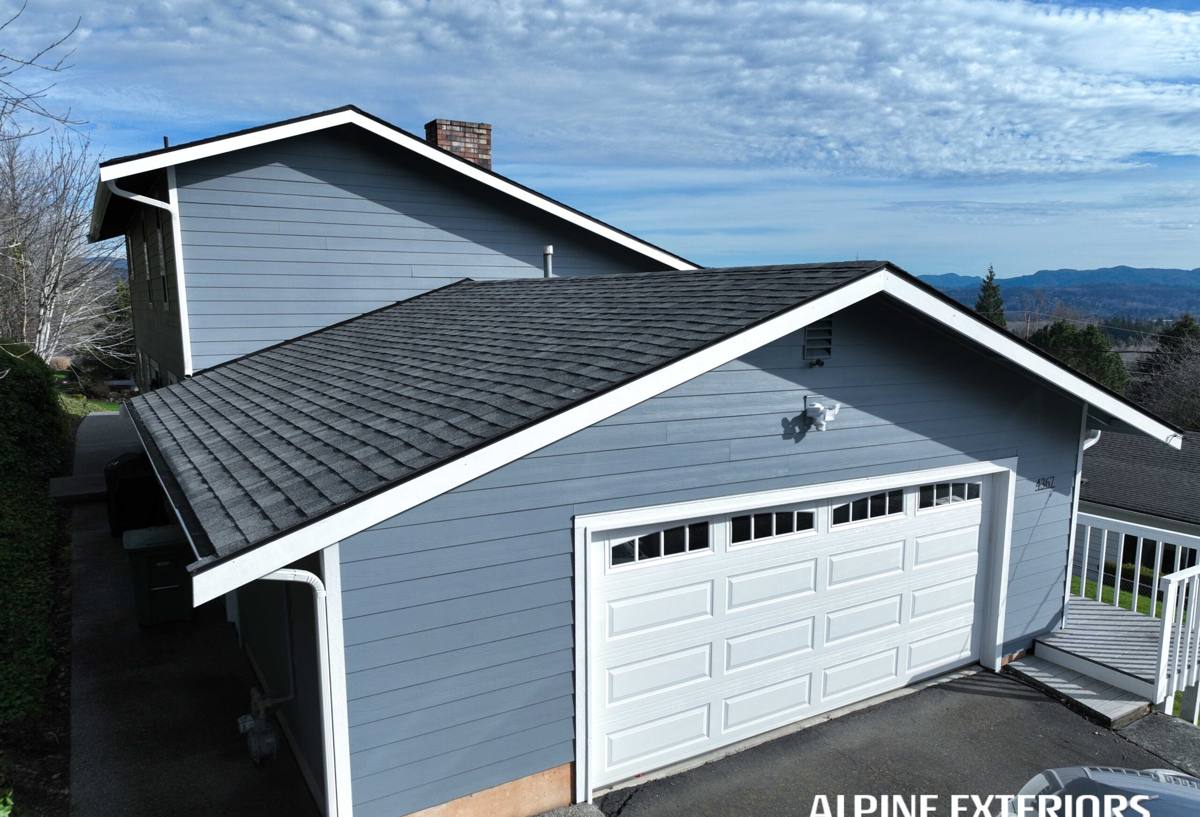
Why Roofs in This Part of St. Petersburg Wear Out Faster
Pinellas County roofs don't get an easy life. A handful of factors compound on each other year after year:
- Intense, year-round UV exposure — Florida's sun degrades asphalt shingles, sealants, and roofing membranes faster than in most of the country, breaking down granules and drying out flexible materials.
- Hurricane-force wind events — even roofs that never take a direct hit absorb repeated wind-driven stress over a hurricane season, working shingles and flashing loose gradually.
- Wind-driven rain — St. Petersburg storms rarely come straight down. Rain pushed sideways finds any gap in flashing, underlayment, or fastening that a calmer climate would never expose.
- Salt air — being close to the coast means airborne salt accelerates corrosion on metal fasteners, flashing, vents, and any exposed hardware on the roof.
None of these factors act alone. A shingle weakened by UV breaks down faster under wind. A fastener corroded by salt air lets go sooner in a storm. That's why a roof replacement here isn't just about picking a color and material — it's about choosing a system and installation method that holds up to all four stresses at once, for the long haul.
Signs a Repair Won't Cut It Anymore
Not every roof problem means full replacement, but certain signs point that direction rather than another round of patching:
- Shingles that are cracked, curling, or losing granules across large areas rather than one isolated spot
- Multiple past repairs in different areas of the roof, especially if leaks keep reappearing nearby
- Visible sagging in the roof deck, which often means moisture has compromised the wood underneath
- A roof approaching or past the manufacturer's expected service life for its material and this climate
- Difficulty getting affordable insurance coverage or a wind mitigation discount because of the roof's age or condition
If your roof is showing two or three of these at once, a replacement usually costs less over time than continuing to chase leaks one repair at a time.
What a Correct Roof Replacement Actually Involves
A roof replacement is more than removing old shingles and nailing down new ones. Done right, it addresses everything underneath the surface layer, since that's usually where premature failures start.
Tear-Off and Deck Inspection
Full tear-off exposes the roof deck, which is the only way to catch soft spots, rot, or water damage that's been hiding under the old roofing. Any compromised decking gets replaced before anything new goes down — skipping this step is one of the most common shortcuts that leads to problems a few years later.
Underlayment and Water Barrier
A quality synthetic or self-adhering underlayment is the roof's real line of defense against wind-driven rain, not the shingles themselves. In this climate, we treat underlayment as essential protection, not an afterthought.
Flashing at Every Vulnerable Point
Valleys, chimneys, skylights, and wall intersections are where roofs actually leak. New, properly integrated flashing at each of these points matters more to long-term performance than almost any other single detail in the job.
Fastening Rated for Wind
Florida's building code sets minimum wind-uplift standards for a reason. Correct nailing patterns, fastener count, and fastener quality — resistant to salt-air corrosion — directly determine how a roof performs when hurricane-force gusts hit it.
Ventilation
Proper attic ventilation extends shingle life, reduces heat buildup, and helps prevent moisture problems that rot decking from underneath. It's frequently overlooked on replacement jobs that focus only on what's visible from the ground.
Choosing a Roofing System for This Neighborhood
There's no single "best" roofing material for every home in Euclid-St. Paul — the right choice depends on the home's structure, your budget, and how long you plan to stay in the house. Here's an honest comparison of the systems we install most often in this area:
| Material | Typical Lifespan Here | Wind & Storm Performance | Maintenance |
|---|---|---|---|
| Architectural asphalt shingles | 18–25 years | Good when properly fastened and rated for high wind | Low; periodic inspection recommended |
| Standing seam metal | 40–50+ years | Excellent; handles wind uplift and wind-driven rain well | Very low; occasional fastener/seam check |
| Concrete or clay tile | 30–50 years | Strong if underlayment and fastening are correct; tiles themselves can crack from impact | Moderate; underlayment often fails before the tile does |
We're honest about trade-offs rather than pushing one product. Tile roofs, for example, often outlast their underlayment — the tiles look fine while the water barrier underneath has quietly failed, which is why proper installation and inspection intervals matter as much as the material choice. Metal costs more upfront but often makes sense for homeowners planning to stay long-term. Architectural shingles remain a solid, cost-effective choice for most homes when installed with wind-rated fastening and quality underlayment.
Our Roof Replacement Process
- On-site inspection — we look at the whole roof system, not just the surface, including decking, ventilation, and flashing condition.
- Honest recommendation — repair versus replacement, and which material fits your home and budget, explained in plain terms.
- Written estimate — clear scope of work and materials, no vague line items.
- Permitting — we handle the permit process with the City of St. Petersburg or Pinellas County as required before work begins.
- Tear-off and deck repair — full removal of old roofing and replacement of any damaged decking found underneath.
- Installation — underlayment, flashing, and roofing material installed to current wind-resistance code requirements.
- Final inspection and cleanup — including the required municipal inspection and a thorough site cleanup, magnetic sweep included.
Permits, Code, and Insurance Considerations
Roof replacements in St. Petersburg require a permit and a final inspection — this isn't optional paperwork, it's what confirms the work meets Florida's wind-resistance building code. Skipping it, or hiring a contractor who skips it, can cause real problems later: insurance claim denials, trouble at resale, or having to redo work to get it signed off.
A properly permitted, code-compliant replacement can also affect your homeowner's insurance. A wind mitigation inspection, done after certain upgrades, may qualify you for a premium discount — but only if the underlying work (fastening method, roof-to-wall connections, secondary water barrier) actually meets the standards insurers look for. We build to those standards as a matter of course, not as an upsell.
Why Local Experience in Euclid-St. Paul Matters
A crew that already works this neighborhood knows what to expect before the ladder goes up: the general age range of the housing stock, the kinds of roof structures common to the area, and how St. Petersburg's permitting office likes paperwork submitted. That familiarity shortens the process and avoids the guesswork that comes with a crew seeing a Pinellas County home for the first time.
Local presence also matters after the job is done. If a question comes up during the next storm season, or a warranty item needs a look, you're dealing with a contractor who's a short drive away and has a track record in your own neighborhood — not a crew that worked here once and moved on.
What Drives the Cost of a Roof Replacement
| Factor | How It Affects Cost |
|---|---|
| Roof size and pitch | Larger and steeper roofs need more material and labor time |
| Number of layers to remove | Tearing off multiple old layers adds labor and disposal cost |
| Deck condition | Rotted or soft decking discovered during tear-off adds repair cost |
| Material choice | Metal and tile cost more upfront than asphalt shingles but last longer |
| Roof complexity | Valleys, dormers, and multiple planes add flashing and labor time |
| Code upgrades required | Older homes may need ventilation or structural updates to meet current code |
Because of these variables, we don't quote roof replacements over the phone. An honest number requires an actual look at your roof.
What to Ask Before You Sign a Contract
- Is the contractor licensed and insured in Florida, and can they provide proof?
- Does the estimate specify the exact shingle or material brand and product line, not just "asphalt shingles"?
- Is a full tear-off included, or is this a layover?
- Does the price include permit fees and the final municipal inspection?
- What underlayment and flashing materials are specified, and are they rated for wind-driven rain?
- Is there a written workmanship warranty separate from the manufacturer's material warranty?
- Will the crew perform a magnetic nail sweep and full cleanup after tear-off?
If your roof in Euclid-St. Paul is showing its age or you just want an honest second opinion, we're happy to take a look and walk you through what we find — no pressure, no obligation. Use the form below to request a free estimate.