 St. Petersburg Roofing
 Siding Repair for Euclid-St. Paul Homes
Euclid-St. Paul is one of the established, tree-lined residential pockets that make up St. Petersburg's older neighborhood fabric — a mix of bungalows, mid-century ranches, and homes that have been added onto and updated over the decades. Many of these houses have siding that's outlasted at least one roof and one paint job, which means it's also absorbed decades of Pinellas County weather. When damage shows up — a cracked panel near the foundation, soft or bubbling siding under a window, a section that's pulled away after a storm — the fix isn't always as simple as "patch it and move on." Done wrong, a siding repair can trap moisture, mismatch the existing material, or fail again within a year or two. Done right, it should disappear into the wall and hold up as long as the surrounding siding does.
This page covers what siding repair actually means for a home in this part of St. Petersburg: what the local climate does to siding over time, what a legitimate repair involves, how we approach it, and why the material we repair with matters as much as the repair itself.
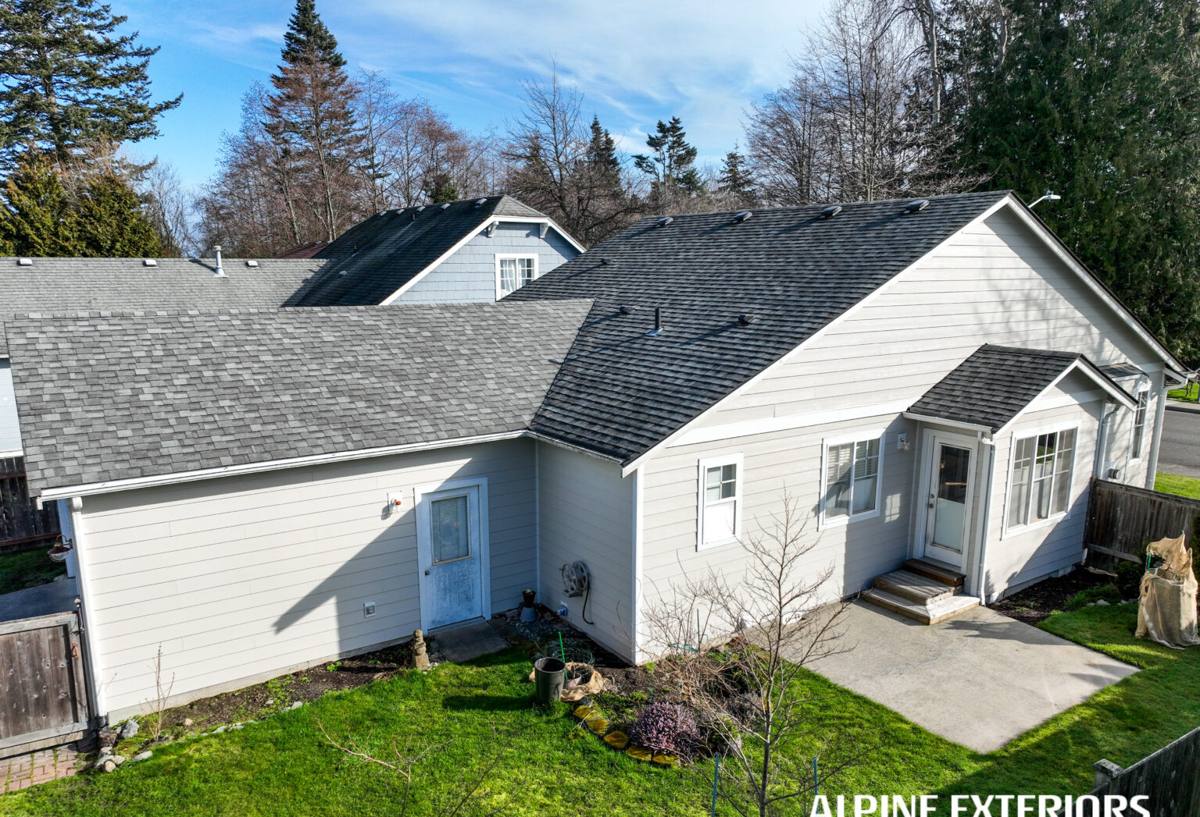
What Pinellas County Weather Does to Siding
St. Petersburg sits on a peninsula, which means every home here deals with a combination of stresses that inland houses don't face nearly as hard. Euclid-St. Paul is close enough to the water and the open Gulf Coast exposure that these forces show up steadily over a siding's life, not just during a single bad storm.
Intense, Year-Round UV
Florida's sun angle and number of sunny days per year are hard on any exterior material. UV breaks down pigments and resins, which is why cheaper siding fades unevenly, chalks, or goes brittle years before it should. South- and west-facing walls typically show the most wear first.
Wind-Driven Rain
Afternoon storms in St. Petersburg rarely fall straight down — they come in sideways, driven by wind, and get forced into every seam, joint, and fastener hole in a wall. Siding that isn't installed with the right laps, flashing, and clearances will let water behind the panels long before the face material itself looks damaged.
Salt Air
Proximity to Tampa Bay and the Gulf means airborne salt is a constant, low-level presence, even a few miles inland. Salt accelerates corrosion of fasteners and trim metal and speeds up the breakdown of finishes that aren't engineered to resist it.
Hurricane-Force Wind Events
Named storms and tropical systems put sustained wind loads and flying debris against siding that everyday weather never will. A panel that was already loose, under-fastened, or moisture-softened is far more likely to fail — or fail catastrophically — during one of these events than a section that was installed and maintained correctly.
None of these forces act alone. It's the combination — UV weakening a surface, rain finding the weak point, salt air corroding the fastener, then wind finishing the job — that shortens siding life in this part of Florida compared to drier, cooler climates.
Common Siding Problems We See in This Neighborhood
Because Euclid-St. Paul has a good number of older homes, the repair calls we get here tend to fall into a few recurring categories:
- Moisture damage at low points: siding near grade, foundation planters, or irrigation heads that stays damp longer than it should and starts to soften, delaminate, or grow mildew.
- Damage around windows and trim: cracked or gapped caulk joints that let wind-driven rain behind the siding at penetrations.
- Impact and storm damage: cracked panels or dented sections from debris, tree limbs, or ladder and equipment contact during other exterior work.
- Fastener failure: corroded or backed-out nails and screws, often visible as rust streaks or slightly popped panels.
- Mismatched or failed prior repairs: patch jobs done with the wrong material, wrong fastening pattern, or no attention to how water is supposed to shed off the wall.
- Older wood or composite siding reaching end of life: some original siding on these homes is decades old and reaching a point where localized repair is only a short-term answer.
How Age of Home Affects the Repair Approach
A home from the last ten years with one storm-damaged section is a different job than a 1950s-1970s bungalow with original or long-since-replaced siding showing widespread wear. On older homes, we look at the whole wall system — sheathing, house wrap or building paper, flashing details — because a visible siding problem is often a symptom of something happening behind it, not just a cosmetic issue on the surface.
What a Correct Siding Repair Actually Involves
A siding repair is not just "replace the bad-looking piece." A repair that actually holds up in this climate has to address the water management behind the siding, not just the finish you see. That means:
- Diagnosing the real cause. Is the damage from a one-time impact, or is it a symptom of an ongoing moisture or flashing problem? Repairing the visible panel without fixing the cause guarantees a repeat call.
- Checking what's underneath. Once the damaged section is opened up, we look at the sheathing and water-resistive barrier for rot, mold, or prior water intrusion before closing anything back up.
- Matching the material correctly. Profile, exposure, and finish need to match the surrounding siding as closely as possible — this is where a lot of DIY and low-bid repairs fall short, leaving an obvious patchwork look.
- Restoring proper laps and clearances. Siding sheds water by overlapping courses correctly and keeping clearance from grade, roofing, and hard surfaces. A rushed repair often ignores these details.
- Re-sealing and re-flashing penetrations. Any trim, window, or fixture disturbed during the repair gets properly flashed and sealed — not just caulked over.
- Fastening to spec. Corrosion-resistant fasteners, correct spacing, and correct depth matter more here than in drier climates, since a poorly set fastener is a future failure point.
Repair vs. Replacement: How We Help You Decide
Not every problem needs a full re-side, and not every problem should be treated as "just a patch." The table below outlines the general factors that push a decision one way or the other.
| Factor | Favors Repair | Favors Replacement |
|---|---|---|
| Extent of damage | Isolated to one or two sections/elevations | Spread across multiple walls or the whole exterior |
| Underlying moisture | Localized, sheathing intact once opened up | Widespread rot or long-term water intrusion found |
| Age of existing siding | Newer material still within its useful life | Original material near or past expected service life |
| Material match | Matching product/profile still available | Discontinued profile or color, patch would be visibly different |
| Storm history | Single event, home otherwise sound | Repeated storm damage suggesting systemic vulnerability |
We'll walk you through where your home falls on that spectrum honestly — including telling you when repair is genuinely the right call, not just upselling a full job.
Our Siding Repair Process
For Euclid-St. Paul homeowners, our process is straightforward:
- On-site inspection: we look at the damaged area and the surrounding wall system, not just the spot you called about.
- Honest diagnosis: we tell you what caused the damage, whether it's isolated, and what repair versus replacement realistically looks like.
- Written scope and estimate: what will be removed, what's being checked underneath, materials used, and what the finished repair should look like.
- Careful removal and inspection: we open up the affected area, evaluate sheathing and moisture barrier condition, and address anything found before closing it back up.
- Repair with matched material and proper detailing: correct laps, flashing, fastening, and finish so the repair performs — and looks — right.
- Final walkthrough: we review the completed work with you before considering the job done.
Why We Repair With James Hardie Fiber Cement
Even for a repair — not just a full re-side — the material we patch with matters. We install James Hardie fiber cement exclusively, and that standard applies to repair work too. Hardie's fiber cement is non-combustible, engineered specifically for humid, storm-prone climates through its HZ product lines, and finished with a factory-applied ColorPlus coating designed to resist UV fading and hold up against coastal weather far better than field-applied paint. It also carries a strong transferable warranty when installed to manufacturer specification, which matters if you ever sell the home.
When a home's existing siding is a discontinued vinyl profile, aging wood, or a composite product we don't work with, patching it with more of the same material only extends the life of a system with the same underlying vulnerabilities. In those cases, we'll be upfront that a true seamless match with Hardie may mean repairing or replacing a full elevation rather than a single panel, so the wall reads as one consistent surface built to handle another decade-plus of St. Petersburg weather — not a patchwork of old and new.
Why Hire a Crew That Already Works This Neighborhood
Siding repair in an established St. Petersburg neighborhood like Euclid-St. Paul rewards experience with the specific building stock here — the mix of home ages, common construction details from different decades, and the particular way Gulf Coast humidity and salt exposure show up on these walls. A crew that regularly works this area recognizes the difference between cosmetic weathering and a real moisture problem, knows what fastening and flashing details hold up here versus a drier climate, and won't need to relearn local permitting and wind-load expectations on your dime. That familiarity translates into a faster, more accurate diagnosis and a repair that's built for the conditions your home actually faces, not generic instructions written for a different climate.
Maintaining Your Siding Between Repairs
Whether your repair is fresh or years old, a few habits go a long way toward avoiding the next call:
- Walk the exterior twice a year, especially after storm season, looking for cracked caulk, loose panels, or discoloration.
- Keep irrigation heads and sprinklers from spraying directly on siding — constant moisture at the base of a wall accelerates damage.
- Trim vegetation and tree limbs back from exterior walls to reduce both moisture retention and impact risk during wind events.
- Check and re-seal caulk joints around windows, doors, and trim before they crack open fully.
- Address small issues promptly — a hairline crack or small gap is a much cheaper fix than the rot or water intrusion it can lead to after another wet season.
If you're seeing damage, discoloration, or storm wear on your siding in Euclid-St. Paul, we're happy to take a look and give you a straightforward, no-pressure assessment of what's actually going on and what it would take to fix it right. Use the form below to request a free estimate.