 St. Petersburg Roofing
 Why Siding Choice Matters More in Seminole Than Most Places
Seminole sits close enough to the Gulf that salt air is a daily fact of life, not an occasional nuisance. Combine that with Pinellas County's intense year-round UV, the wind-driven rain that comes with our summer storm pattern, and the real possibility of hurricane-force gusts, and you've got one of the tougher climates in the country for exterior building materials. Siding here isn't just cosmetic — it's the layer standing between your house and four different kinds of weather stress happening at once.
We're a St. Petersburg-based crew that works Seminole regularly, and we install one product: James Hardie fiber cement siding. This page covers what that actually means for a Seminole home, what correct installation looks like in this climate, and how our process works from first call to final walkthrough.
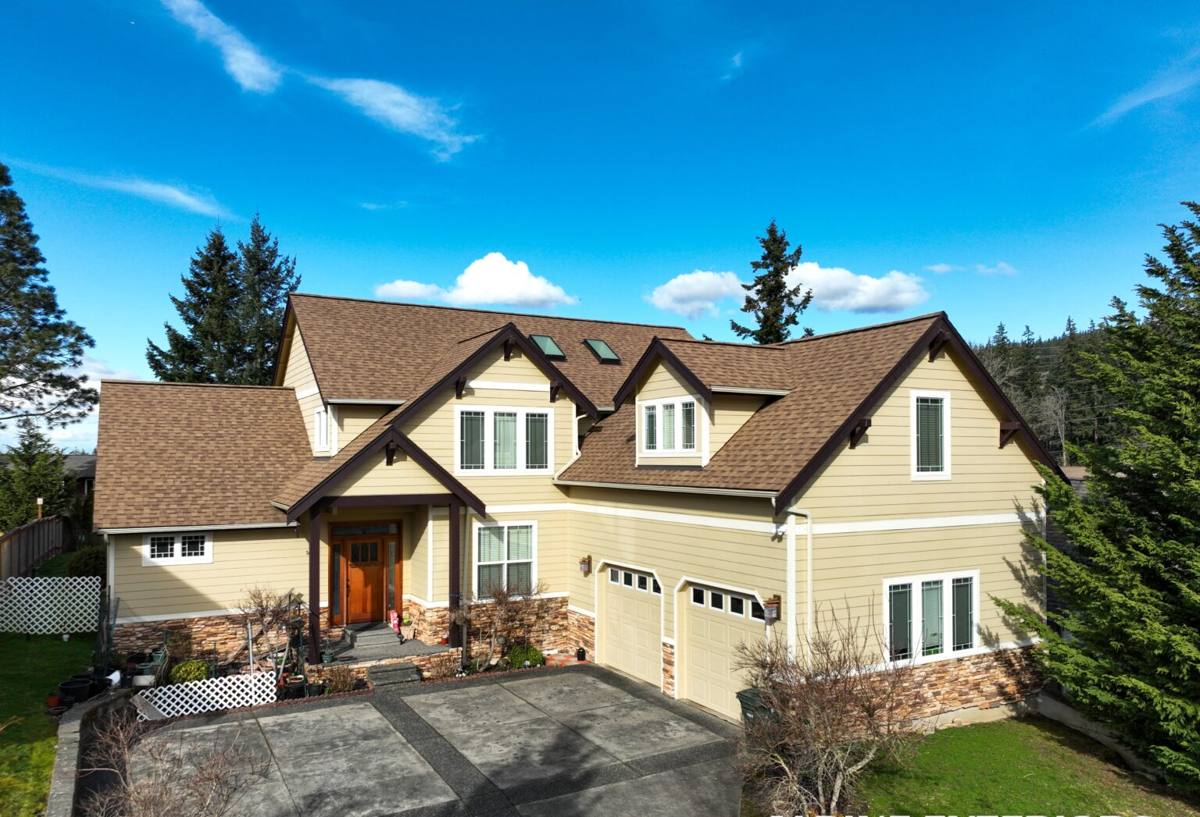
What Seminole's Climate Does to Siding Over Time
Salt Air and Coastal Moisture
Seminole isn't directly on the beach, but it's close enough that salt-laden air moves through the area regularly, especially with onshore winds. Salt accelerates corrosion on fasteners and hardware, and it degrades certain siding finishes faster than inland exposure would. Materials that aren't engineered for coastal-adjacent conditions can chalk, fade, or break down at the seams years ahead of schedule.
UV Load
Florida sun is relentless almost 365 days a year. Paint film on wood or wood-composite siding breaks down under that kind of sustained UV exposure, which is why repainting cycles run shorter here than in most of the country. Color stability matters as much as structural durability.
Wind-Driven Rain
Pinellas County storms rarely deliver rain straight down — it comes in sideways, driven by wind, and it finds every gap, lap, and fastener point that wasn't detailed correctly. Siding that isn't installed with proper flashing and clearances will let water behind the cladding long before the panels themselves show any obvious damage.
Hurricane-Force Wind
Even outside a direct hurricane hit, Seminole sees tropical storm-force gusts most seasons. Siding has to stay fastened to the wall assembly under real wind load, not just look good sitting still.
Why We Install James Hardie and Nothing Else
We don't install LP SmartSide, vinyl, Cemplank, Allura, or primed wood siding. That's a deliberate standard, not a lack of options. Here's the honest reasoning:
- Vinyl softens and can distort in sustained high heat, and in a hurricane-wind area it's more prone to cracking or blowing off at the panel edges than a fiber cement product engineered for wind zones.
- Wood-based composite and primed wood sidings depend on an intact paint film to resist moisture. In a climate with this much UV and wind-driven rain, that film degrades faster, and any breach lets moisture into the substrate — which is a bigger problem in humid coastal air than in a dry climate.
- Other fiber cement brands (Cemplank, Allura) are legitimate products, but we've standardized on one manufacturer, one installation system, and one warranty structure so every crew member installs to the same spec every time, and every homeowner gets the same accountability if something goes wrong.
James Hardie is non-combustible, doesn't rot, and its HZ5 product line is engineered specifically for high-humidity, storm-prone climates like ours. The factory-applied ColorPlus finish is baked on and warrantied against fading — which matters directly here, given how hard Florida sun works on paint. It's the product we're willing to stand behind on a Seminole roofline.
What Correct Fiber Cement Installation Involves
Fiber cement siding is only as good as its installation. A rushed or spec-cutting install can undercut even the best material, and in a wind-and-rain climate like ours, the details matter more than they would somewhere mild.
The Non-Negotiables
- Correct nail pattern and fastener embedment — under- or over-driven fasteners are one of the most common failure points on fiber cement jobs.
- Proper clearance from grade, roof lines, and decking (Hardie specifies minimum gaps for a reason — trapped moisture at these transitions is where rot starts on the framing behind the siding).
- Correctly lapped and sealed flashing at every window, door, and penetration, so wind-driven rain has nowhere to get behind the plane.
- Proper joint treatment at butt seams — sealed and painted per spec, not left to weather bare.
- A code-compliant water-resistive barrier underneath, installed and lapped correctly before the first plank goes up.
- Fastener spacing and type matched to the wind zone rating for the home's location.
Skip any one of these and you can end up with a house that looks like a proper Hardie install from the curb but doesn't perform like one during the next named storm.
Our Process for a Seminole Fiber Cement Job
- On-site assessment. We look at your current siding or sheathing condition, check for existing moisture damage, and measure exposure — a home closer to open water or with more direct sun gets talked through differently than one that's more sheltered.
- Product and color selection. We walk you through Hardie's plank profiles and ColorPlus palette suited to the coastal aesthetic common in this part of Pinellas County.
- Written scope and estimate. Clear line items — tear-off, house wrap, trim, fasteners, labor — no vague allowances.
- Substrate prep. Any rotted sheathing or framing gets addressed before a single plank is hung. Covering up a problem with new siding just delays it and makes it worse.
- Installation to Hardie spec and local wind code. Fastener schedule, clearances, and flashing details are done to the manufacturer's climate-specific requirements, not shortcuts.
- Final walkthrough. We check joints, caulking, and trim details with you before we call the job done.
Why a Crew That Already Works Seminole Matters
Installation quality isn't the only variable — familiarity with the area helps too. A crew that regularly works Seminole and the surrounding St. Petersburg area already knows the typical wall assemblies used in local construction, has a feel for how exposed a given lot is to wind and salt, and understands what Pinellas County's permitting and inspection process expects for exterior work. That familiarity shows up in fewer surprises mid-project and a faster, smoother permit and inspection process — not in anything flashy, just in a job that goes the way it's supposed to.
Cost Factors for a Seminole Fiber Cement Project
Every home is different, so we don't quote broad numbers until we've walked the property. But these are the main variables that move the price:
| Factor | Why It Matters |
|---|---|
| Tear-off vs. new construction | Removing and disposing of existing siding adds labor and dump fees |
| Substrate condition | Rotted sheathing or framing found underneath adds repair scope |
| Home size and wall complexity | More corners, gables, and trim details mean more cutting and labor time |
| Plank profile and color | ColorPlus finishes and certain profiles carry different material costs |
| Wind zone and flashing detail | Higher exposure sites may need additional fastening or flashing work |
| Trim and accessory scope | Fascia, soffit, and trim replacement alongside siding adds to total cost |
Maintenance: What Owning Hardie Siding in Seminole Actually Looks Like
Fiber cement is low-maintenance, not no-maintenance. In this climate, a rinse-down a couple of times a year helps clear salt residue and organic buildup before it stains the finish. Caulking at joints and trim should get a visual check annually, since it's the first thing to wear in a high-UV, high-moisture environment. ColorPlus finishes are warrantied against fading, but keeping gutters clear and grade drainage working right protects the bottom courses from prolonged water contact — the same basic care any siding needs, just more important given how hard this climate works on a house.
Signs Your Current Siding Is Failing in This Climate
- Soft or spongy spots when pressed, especially near the bottom courses or around windows
- Visible warping, buckling, or panels pulling away from the wall
- Paint that's chalking, peeling, or fading unevenly faster than expected
- Staining or streaking that keeps returning after cleaning
- Gaps opening at seams, corners, or trim that weren't there before
- Any musty smell or visible mold on interior walls that share an exterior wall with worn siding
Any of these are worth a look before the next storm season, not after.
If you're in Seminole and want a straight answer on what your siding needs — repair, partial replacement, or a full re-side — we'll come take a look and give you a written estimate with no pressure attached. Use the form below to get started.