 St. Petersburg Roofing
 Custom Decks Built for Historic Kenwood
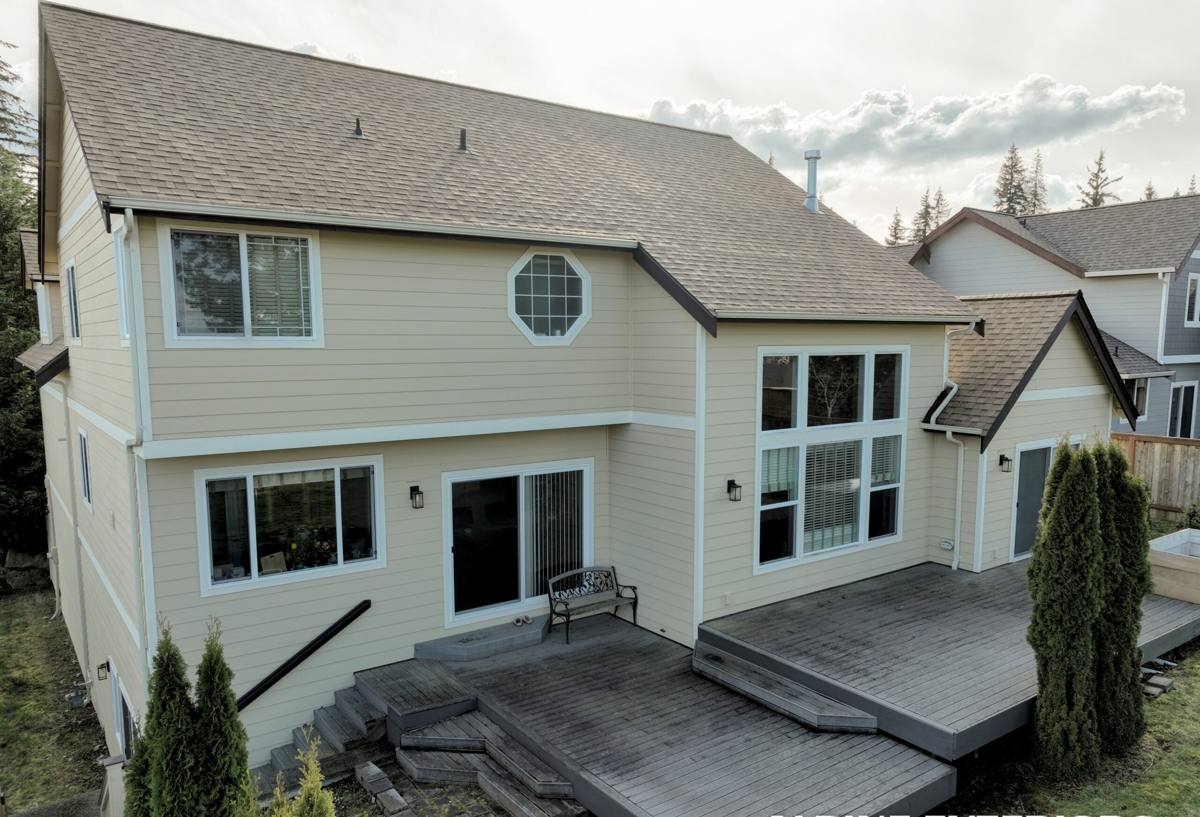
Historic Kenwood is one of St. Petersburg's most distinct neighborhoods — bungalow and Craftsman-style homes, mature tree canopy, and a streetscape that has held its character for close to a century. Adding a deck here isn't the same job as building one in a newer Pinellas County subdivision. The homes are older, the lots are often narrower, and the goal is almost always to add outdoor living space without fighting the look of the house. We build custom decks specifically with that balance in mind: structurally sound for Gulf Coast weather, and proportioned and detailed so they look like they belong on a home that's been standing since the early 1900s or 1920s.
This page covers what a deck actually needs to hold up in this climate, what goes into doing the job right on an older Kenwood home, and how our process works from first estimate to finished project.
What St. Petersburg's Climate Demands From a Deck
A deck in this part of Florida is under more stress than most homeowners realize. It's not one problem — it's several, all working on the structure at once, year-round.
- Hurricane-force wind: Framing connections, post anchoring, and ledger attachment all need to resist uplift and lateral load, not just support standing weight.
- Intense, year-round UV: Florida sun breaks down wood fibers, dries out finishes, and fades or chalks lower-grade composite decking faster than in most other states.
- Wind-driven rain: Rain here doesn't just fall — it's pushed sideways into ledger boards, fastener heads, and any gap where water can collect against the house.
- Salt air: Even a few miles inland from Tampa Bay, airborne salt accelerates corrosion on fasteners, brackets, and any hardware that isn't rated for it.
None of these alone is unusual for a coastal city. Together, over years, they're why decks built with mismatched hardware or the wrong fastener coating fail early — loose railings, rusted brackets, soft spots at the ledger — well before the decking material itself would have worn out.
Building With Historic Kenwood's Character in Mind
Kenwood's housing stock is part of what makes the neighborhood worth living in, and a deck that ignores that works against the home's value instead of adding to it. On older bungalows, we pay attention to a few things a generic deck design skips:
Scale and Proportion
Older Kenwood homes tend to have modest footprints and lower rooflines than newer construction. A deck sized and detailed for a large modern house can visually overwhelm a 1920s bungalow. We size decking, railing style, and step layout to match the proportions of the existing house rather than defaulting to a standard big-box layout.
Foundation and Grade Conditions
Many homes in this part of St. Petersburg were built on pier-and-beam or raised foundations, with grade and drainage patterns that have shifted over decades of settling and landscaping changes. Before we set a single post, we check how water actually moves across the yard and how the existing foundation is behaving, so the deck doesn't end up trapping moisture against the house or fighting a low spot that floods after a summer storm.
Mature Trees
Established tree canopy is part of Kenwood's character, and root systems and tree wells influence where footings can go. We work around root zones rather than through them wherever the layout allows.
Choosing the Right Decking Material
There's no single "best" decking material for every home — it depends on budget, how much upkeep you want to take on, and how the deck needs to read against the house. Here's how the common options actually compare in a Pinellas County coastal climate:
| Material | Upfront Cost | Maintenance | Coastal Climate Behavior |
|---|---|---|---|
| Pressure-treated pine | Lowest | Needs re-sealing every 1–2 years | Affordable and strong, but prone to cupping/checking under intense sun if not maintained |
| Tropical hardwood (e.g. ipe) | Highest | Periodic oiling to hold color; will gray if left bare | Very dense and durable; heavy, so framing must be sized to carry it |
| Cellular PVC decking | Mid-to-high | Low — occasional washing | Doesn't absorb moisture, resists salt air well; can run hot underfoot in direct sun |
| Composite decking (capped) | Mid-to-high | Low — occasional washing | Good UV and moisture resistance in quality capped products; quality varies a lot by brand |
Our general standard: we favor capped composite or PVC for most Kenwood decks because they hold up to UV and humidity swings with the least upkeep, and we're selective about which composite lines we install — some budget composite products have weaker capping and fade or streak faster in unrelenting Florida sun, which just means more complaints and warranty headaches down the road for everyone. If a homeowner wants real wood for the look and is willing to keep up with sealing on a schedule, we'll build that too and explain the maintenance commitment up front.
Framing and Fasteners Matter as Much as the Decking
Whatever surface material you choose, the framing underneath is what actually determines how long the deck lasts here. We use:
- Stainless steel or heavy hot-dip galvanized fasteners rated for coastal/salt-air exposure — not the standard-coated screws that start rusting within a couple of seasons near the bay.
- Properly flashed ledger board attachment, so wind-driven rain can't work its way behind the connection and rot the house's rim joist.
- Post bases and hurricane connectors sized for wind uplift, not just vertical load.
- Footings set to local frost-free depth and soil conditions, sized for the actual deck load, not a generic minimum.
What a Correct Deck Installation Involves
A deck that's going to hold up through hurricane season after hurricane season isn't just decking boards screwed to a frame. Here's the checklist we work from on every Kenwood project:
- Confirm local permitting requirements and, where applicable, any neighborhood or historic-district design guidelines before design is finalized
- Evaluate the house's existing structure at the ledger attachment point — old homes sometimes need reinforcement here
- Grade and drainage check so the deck doesn't create a moisture trap against the foundation
- Footings sized and spaced for wind load, not just dead weight
- Corrosion-resistant hardware throughout — brackets, screws, post anchors
- Proper flashing at every point the deck meets the house
- Railing and stair details that match the age and style of the home
- Final walkthrough covering care and maintenance specific to the material chosen
Our Process, Start to Finish
1. On-Site Estimate
We walk the property, look at the existing structure, grade, and any access constraints particular to older Kenwood lots, and talk through what you actually want to use the space for.
2. Design and Material Selection
We put together a layout and material plan sized to your home and budget, with honest trade-offs explained — not just the most expensive option pushed first.
3. Permitting
We handle the permitting process with the City of St. Petersburg and navigate any applicable neighborhood guidelines so there are no surprises mid-project.
4. Build
Framing, flashing, and fastening done to the standard this climate requires — not the minimum code allows.
5. Final Walkthrough
We go over care instructions for whatever material you chose, so the deck actually reaches its expected lifespan.
Ongoing Care for a Coastal Climate
Even a well-built deck needs some upkeep in this environment. A short seasonal routine goes a long way:
- Rinse salt residue and pollen buildup off the surface periodically, especially after storms
- Check railing and stair connections once or twice a year for looseness
- Reseal wood decking on the schedule the product calls for — don't let it go two or three years past due
- Clear leaf and debris buildup between boards so moisture doesn't sit trapped against the framing
- After any major storm, do a quick visual check of fasteners and footings before heavy use resumes
Why Local Experience in Kenwood Matters
A crew that's worked in Historic Kenwood before already knows the practical realities that generic contractors have to learn on your project: what the older foundations tend to look like, how the grading typically drains, where tree roots usually run, and what proportions actually read as "in character" on these homes. That familiarity shows up in fewer surprises during the build and a finished deck that looks intentional rather than bolted on. It also means we're not guessing at how St. Petersburg's permitting and inspection process works for a project like yours — we've been through it.
If you're weighing a custom deck for a Kenwood home, we're happy to walk the property and give you a straight, no-pressure estimate — including honest input on materials, layout, and what your specific lot and house will need. Use the form below to get started.