 St. Petersburg Roofing
 Roofing a Neighborhood Built Before Modern Building Codes
Historic Kenwood's bungalows, Mediterranean Revivals, and early-20th-century frame homes were built long before Florida's current wind and moisture codes existed. That's part of what makes the neighborhood worth preserving — but it also means a lot of the roof decking, framing, and ventilation underneath those original rooflines was never designed for the storm loads and heat this part of Pinellas County sees today. A new roof installation here isn't just about swapping old shingles for new ones. It's about bringing an older structure up to a standard that can actually survive a St. Petersburg summer and hurricane season without compromising the look that makes these homes distinct.
We've worked on enough older roofs in this area to know the difference between a roof that merely looks finished and one that's actually built to hold up. That distinction matters more in Historic Kenwood than almost anywhere else in the city.
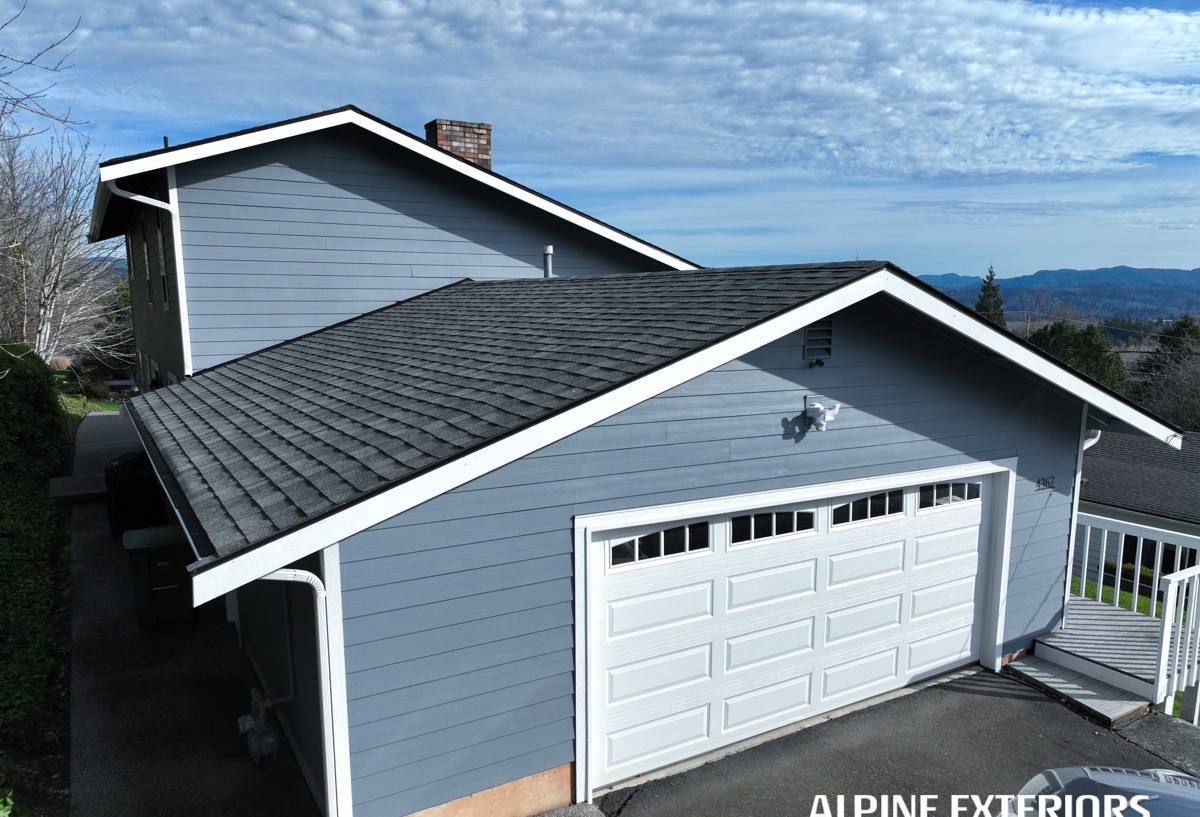
What St. Petersburg's Climate Does to an Older Roof
Every roof in Pinellas County deals with the same basic conditions, but homes with original or near-original framing feel it more acutely.
Wind
Hurricane-force winds don't just test shingles — they test every connection point between the roof covering, the decking, and the structure below. On a home with decades-old sheathing, nail patterns and fastening methods that were standard in an earlier era often fall well short of what's needed to keep a roof system intact under today's wind loads.
UV Exposure
Year-round Florida sun bakes roofing materials from above, all day, every day. Asphalt shingles lose their oils and granules faster here than in most of the country, and older underlayments that have already been baking for 20-plus years are usually far past any useful life, even if the shingles on top still look presentable from the street.
Wind-Driven Rain
St. Petersburg storms rarely fall straight down. Wind pushes rain sideways and up under roof edges, at valleys, and around any penetration — chimneys, vents, old antenna mounts. On older homes, these details were often flashed with whatever materials and methods were common decades ago, which is frequently not enough by current standards.
Salt Air
Kenwood's proximity to the water means metal components — fasteners, flashing, vent housings — are under constant corrosion pressure. Material choices that work fine forty miles inland can degrade noticeably faster this close to Tampa Bay.
What a Correct Installation Actually Involves
A full tear-off and replacement on a historic home has more steps than a straightforward reroof on newer construction, because we're usually correcting decades of deferred issues along the way, not just laying new material.
- Full tear-off. We remove all existing layers down to the decking. Layering new shingles over old is common on older homes that have been reroofed more than once, and it hides problems we need to see.
- Deck inspection and repair. Original wood decking gets checked board by board for rot, delamination, and soft spots — especially around valleys, chimneys, and eaves where water intrusion tends to concentrate over time. Damaged sections get replaced, not patched over.
- Upgraded underlayment. A synthetic or self-adhering underlayment goes down as the roof's real waterproofing layer. This matters more on older homes because it's the backup system when wind-driven rain gets past the primary roof covering.
- Proper flashing at every penetration. Chimneys, plumbing vents, wall-to-roof transitions, and valleys all get new flashing, correctly lapped and sealed — not just caulked over existing metal.
- Ventilation review. Many older homes have inadequate or blocked attic ventilation, which accelerates shingle aging from underneath and can trap moisture. We address this as part of the install, not as an afterthought.
- Wind-rated fastening. Nailing patterns and fastener counts follow current wind-resistance requirements for this part of the county, not whatever standard was in place when the home was originally built.
- Final inspection and cleanup. Ridge lines, edges, and penetrations get a final check before we consider the job done, and the property gets cleared of debris and stray fasteners.
Material Choices for a Historic Roofline
Historic Kenwood's architecture puts some real constraints on roofing choices — a roof that reads as out of place can hurt curb appeal on a house that otherwise looks true to its era. We walk homeowners through the trade-offs rather than pushing one product.
| Material | Fit for Historic Rooflines | Climate Performance | Maintenance |
|---|---|---|---|
| Architectural asphalt shingle | Wide range of profiles and colors that read well on bungalow and period-style homes | Solid wind ratings available; UV and salt exposure will shorten lifespan somewhat versus inland installs | Low — periodic inspection, especially after storms |
| Standing seam metal | Works well on some historic profiles, less traditional on others — depends on the specific home | Excellent wind and UV performance; needs a coastal-rated finish near the water to resist corrosion | Low, but fastener and coating condition should be checked periodically |
| Flat/low-slope membrane (for additions or porches) | Common on rear additions and enclosed porches typical of these homes | Good when properly detailed; failure points are almost always at seams and transitions | Moderate — benefits from routine inspection |
We don't push one material as universally "better." The right choice depends on the home's roof pitch, its visible profile from the street, the homeowner's budget, and how long they plan to stay in the house. What we won't do is install a system that looks wrong on a period home just because it's cheaper or faster for us — that's a decision homeowners should make with full information, not one we make for them by default.
Why a Crew That Knows Kenwood's Older Homes Matters
Older roof framing isn't uniform the way modern truss systems are. Rafter spacing, deck thickness, and past repair work vary house to house, sometimes room to room. A crew that hasn't worked much on pre-war Florida framing can run into surprises mid-job — soft decking that wasn't visible from the ground, undersized rafters, old repairs hidden under multiple shingle layers. We've handled enough of these roofs in this part of St. Petersburg to plan for that variability up front instead of discovering it halfway through a tear-off, which keeps the timeline and the budget closer to what we quoted.
There's also a practical side specific to this neighborhood: permitting and inspection expectations, working around mature tree canopy that's common on these lots, and keeping a job site tidy on streets with less room to stage material than newer subdivisions have. None of that shows up in a generic roofing estimate, but it affects how smoothly the job actually goes.
Signs a Historic Kenwood Roof Needs Full Replacement, Not Repair
- Shingles are curling, cupping, or losing granules across large sections rather than one isolated spot
- Daylight or water staining is visible in the attic near valleys, chimneys, or the roof deck edges
- The roof has already been repaired multiple times in the same areas over the past few years
- There's evidence of a prior layer-over reroof, which limits what a simple repair can actually fix
- The home has visible sagging along the roofline or soft spots felt underfoot during inspection
- The current roof covering is approaching or past its expected service life for this climate
- Recent storms caused wind or water damage beyond what spot repairs can reasonably address
If only one or two of these apply, a repair may genuinely be the right call — we'll say so. Full replacement makes sense when the underlying systems (decking, underlayment, ventilation) are compromised broadly enough that patching one area just shifts the problem to the next.
Our Process, Start to Finish
1. On-Site Assessment
We inspect the roof, attic, and decking condition directly rather than estimating from the ground or from photos. On a historic home, this step matters more than usual because so much of the real condition is hidden until you look.
2. Honest Scope and Written Estimate
We walk through what we found, what's actually needed, and what it costs — including material options appropriate for the home's style and this climate. No pressure to decide on the spot.
3. Permitting
Roof replacements in the City of St. Petersburg require permits, and we handle that process as part of the job.
4. Installation
Tear-off, deck repair, underlayment, flashing, and final roof covering, installed to current wind and moisture standards while keeping the finished look appropriate to the home.
5. Final Walkthrough
We review the completed work with the homeowner and make sure everything meets what was scoped and quoted.
Cost Factors Worth Understanding Up Front
| Factor | Why It Affects Cost |
|---|---|
| Deck condition | Rotted or delaminated decking found during tear-off requires replacement, which isn't always visible until the old roofing is removed |
| Roof complexity | Multiple valleys, dormers, and pitch changes common on period homes add labor and material versus a simple rectangular roof |
| Material selection | Asphalt, metal, and membrane systems carry different upfront costs and different long-term maintenance profiles |
| Ventilation corrections | Adding or upgrading attic ventilation during the reroof is more cost-effective than doing it as a separate project later |
| Access and site conditions | Mature trees, narrow lot access, and steeper or multi-story rooflines can affect labor time |
We give a firm number after the on-site assessment, not a rough phone quote, because too many of these variables aren't knowable without actually looking at the roof.
Get a Straight Answer on Your Roof
If you own a home in Historic Kenwood and you're not sure whether your roof needs a repair or a full replacement, we're happy to take a look and give you an honest read — no pressure, no obligation. Fill out the form below to schedule a free estimate.