 St. Petersburg Roofing
 Siding in a Climate Like St. Petersburg's
Historic Kenwood sits close enough to Tampa Bay and the Gulf that its homes take a real beating from the weather, year after year. Hurricane-force wind events test every seam and fastener a siding system has. Florida's sun runs hot and strong nearly twelve months a year, and UV exposure at that intensity breaks down paint film and lesser siding materials faster than most homeowners expect. Add wind-driven rain that gets forced sideways into laps and joints during storms, plus the slow corrosive effect of salt-laden air moving in off the water, and you have a climate that is genuinely hard on exterior materials. Siding here isn't just cosmetic — it's the first line of defense for the wall assembly behind it, and in Pinellas County that assembly gets tested constantly.
For a neighborhood built up mostly in the early-to-mid twentieth century, that climate load lands on housing stock that was never engineered for it in the first place. Original wall systems in older Kenwood homes were built with the materials and expectations of their era, not with modern wind ratings or moisture barriers in mind. That gap is exactly what a proper siding replacement needs to close.
Why Historic Kenwood Homes Need Special Attention
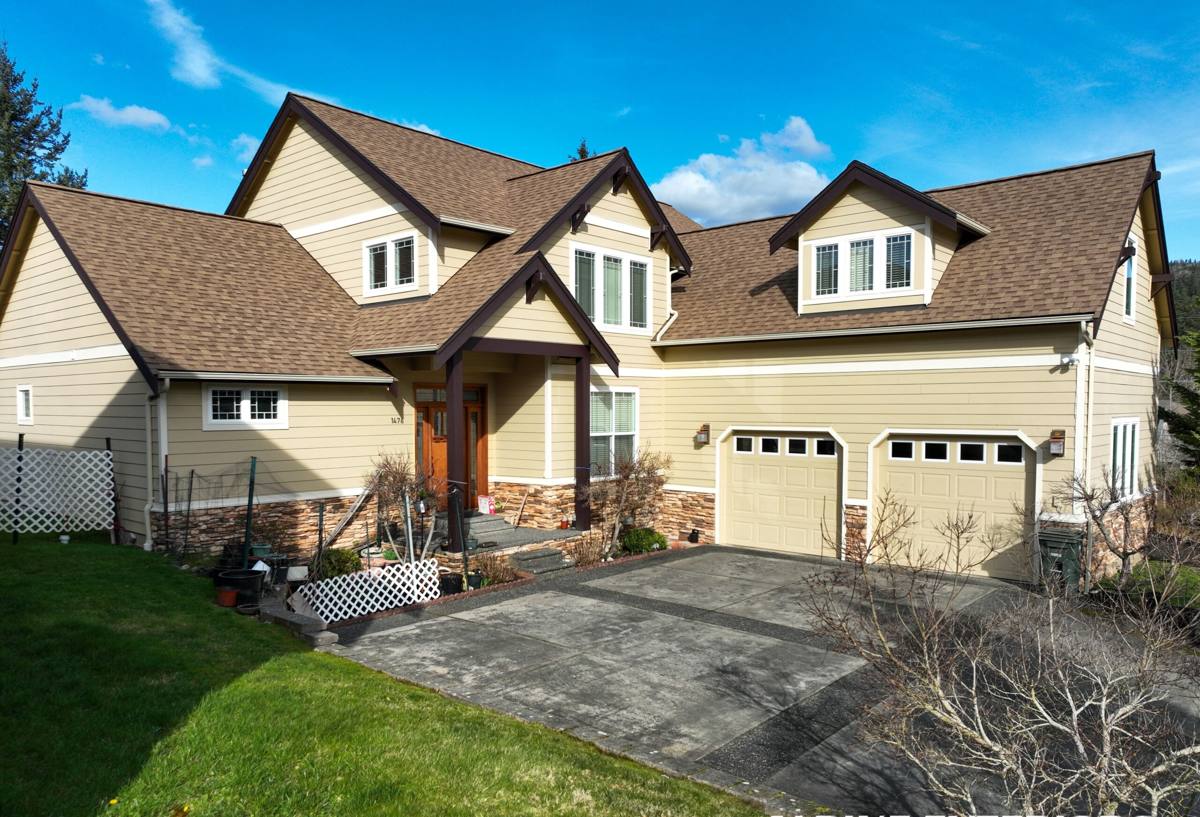
Kenwood is known for its concentration of early-twentieth-century bungalow and Craftsman-style houses — narrow lots, mature tree canopy, front porches, and a lot of original wood-frame construction. That character is a big part of what makes the neighborhood worth preserving, and it also means the siding decisions here carry more weight than they would on a newer subdivision home.
A few things come up again and again on these homes:
- Original wood lap siding that has been painted over dozens of times, hiding rot, split boards, and failed caulk joints underneath.
- Older, sometimes non-original siding layers added over the decades, occasionally including cement-asbestos board that needs to be identified and handled correctly before any removal begins.
- True dimensional framing lumber and older sheathing that behaves differently than modern OEM wall assemblies when it comes to fastening and moisture drying.
- Architectural detail — trim widths, corner boards, butt reveals — that a mismatched siding profile can visually ruin even if the new material performs fine.
- In many cases, a design review or historic district guideline that governs what's an acceptable exterior change, which most out-of-area siding crews have never had to navigate.
None of this makes siding replacement harder to justify — if anything, it makes it more urgent once the original material starts failing. It does mean the installation has to be planned with the house's age and construction in mind, not treated like a generic re-side.
What a Correct Siding Installation Involves
Removing What's There Safely
On a home this old, tear-off starts with figuring out exactly what's on the wall. That can mean multiple layers, and on pre-1980s construction it can mean testing for asbestos-containing material before anything gets cut or pried loose. Skipping this step is one of the most common corners cut by crews unfamiliar with older housing stock, and it's not one we're willing to cut.
Building a Proper Moisture and Drainage System
Wind-driven rain doesn't just hit siding — it gets forced behind it, especially during the tropical systems this area sees regularly. Correct installation means a continuous water-resistive barrier, properly lapped and sealed housewrap or building paper, flashing at every window, door, and penetration, and a drainage plane that lets any moisture that does get in find its way back out instead of sitting against the sheathing. This layer does more to protect the house long-term than the siding material itself.
Fastening and Wind Resistance
Pinellas County sits in a high-wind zone under the Florida Building Code, and fastening schedules aren't optional details — they're the difference between siding that stays put in a tropical storm and siding that peels off the wall. Correct nail or screw type, spacing, and embedment depth all have to match the manufacturer's engineering for the specific wind exposure of the site, not a generic pattern used everywhere.
Trim, Corners, and Finish Detail
This is where a lot of the "does it still look like Kenwood" question gets answered. Corner boards, frieze boards, and reveal widths that match the original proportions matter as much to the finished look as the siding profile itself. Caulk has to be color-matched and applied at every joint that needs it — and, just as important, left out of joints that are designed to move or drain, since over-caulking traps moisture instead of shedding it.
Keeping the Bungalow Character Intact
We install James Hardie fiber cement siding exclusively, and one reason is that it's available in lap profiles and reveals that read as traditional wood siding from the street — the look Kenwood's bungalows were built with — without the maintenance burden that comes with actual wood in this climate. Hardie's ColorPlus factory finish is baked on and warranted against fading, which matters enormously here given how much UV these homes absorb. A board painted on-site will start to chalk and fade years before a factory-finished ColorPlus board does, which means less scaffolding, less repainting, and less disruption to a walkable, tree-lined street over the life of the siding.
Fiber cement is also non-combustible, which is worth knowing on a block where homes sit close together — a real consideration in older, denser neighborhoods that wasn't necessarily top of mind when these houses were originally built.
Our Process From First Call to Final Walkthrough
The process is the same discipline on every Kenwood job, adjusted for what we find once we're on the wall:
- Inspection and material ID. We walk the exterior, check for rot, moisture damage, and layered siding, and identify what's currently on the house before quoting anything.
- Written scope and product selection. We spec the Hardie product line, profile, and reveal that fits the home's architecture and confirm color and trim details before work starts.
- Permitting. Siding replacement in St. Petersburg requires a permit, and homes subject to historic district review may need that step handled before work can begin. We deal with this directly so it isn't a surprise mid-project.
- Removal and substrate check. Old siding comes off, sheathing gets inspected and repaired where needed, and any hazardous material handling is done to code.
- Weather barrier and flashing. Housewrap, flashing, and drainage details go in before a single piece of new siding is hung.
- Installation to spec. Fastening, clearances, and joint treatment follow Hardie's published installation instructions and Florida Building Code wind requirements for this area.
- Final walkthrough. We go over the finished work with the homeowner before calling the job done.
Cost Factors for a Kenwood Siding Project
Every home is different, and we won't quote a number without seeing the house, but these are the factors that actually move the price on a project like this:
| Factor | Why It Matters |
|---|---|
| Number of siding layers to remove | Older homes sometimes have two or three layers stacked over the decades; each adds labor and disposal cost |
| Substrate condition | Rotted sheathing or framing found during tear-off has to be repaired before new siding goes on |
| Trim and detail complexity | Matching historic corner boards, reveals, and window trim takes more time than a plain modern elevation |
| Hazardous material testing/abatement | Pre-1980s siding sometimes requires testing and special handling before removal |
| Home size and wall area | More square footage of material and labor, straightforwardly |
| Access and site constraints | Narrow lots, mature landscaping, and close-set neighboring homes can affect staging and scaffolding |
| Permit/historic review requirements | Design review adds time to the schedule, not usually to the direct labor cost |
Why Local Experience in This Neighborhood Matters
A crew that has actually worked houses in Historic Kenwood knows what's usually hiding under the existing siding before they open the wall up. They know how St. Petersburg's permitting process runs, whether a design review applies to a given block, and how to sequence a job on a narrow lot with mature trees and close-set neighbors without turning the street into a construction zone for weeks longer than necessary. They also know the wind and moisture demands of a home this close to Tampa Bay aren't theoretical — they've seen what happens when a wall assembly wasn't built to handle a real tropical system. That experience shows up in fewer surprises mid-project and a finished exterior that actually respects the character of the block.
Living With Hardie Siding After Installation
Fiber cement is low-maintenance compared to wood, but "low-maintenance" isn't "no-maintenance." A little attention keeps it performing for decades:
- Rinse the exterior periodically to clear salt residue and airborne grime, especially on homes closer to the water.
- Keep an eye on caulk joints at trim and penetrations and have any that crack or pull away re-sealed promptly.
- Trim back landscaping that holds moisture against the wall or causes physical contact with the siding.
- Watch for any signs of moisture intrusion after major storms — stains, soft trim, or peeling paint on interior walls near exterior corners.
- Keep gutters and downspouts clear so roof water isn't dumping directly onto siding and trim.
Handled this way, a correctly installed Hardie system on a home like this is built to go a long time between major exterior projects — which, on a historic street, is worth a lot on its own.
If your Historic Kenwood home needs new siding or you're just trying to figure out what shape the current siding is really in, we're happy to take a look. The estimate is free, there's no pressure attached to it, and you'll get a straight answer about what your home actually needs.