 St. Petersburg Roofing
 Window Replacement Built for Historic Kenwood
Historic Kenwood is one of St. Petersburg's older residential districts, known for its concentration of early-1900s bungalow, Craftsman, and Mediterranean Revival homes. Many of those houses still carry their original wood-sash windows or a mismatched mix of replacements installed over the decades by different owners. That combination — genuinely old housing stock, a historic-district identity, and Pinellas County's coastal climate — makes window replacement here a different job than it is in a newer subdivision a few miles inland.
This page covers what window replacement actually involves for a Kenwood home: what the climate does to windows in this part of St. Petersburg, how to handle the character of an older house without gutting its curb appeal, what a properly done installation looks like, and what to ask any contractor bidding the work.
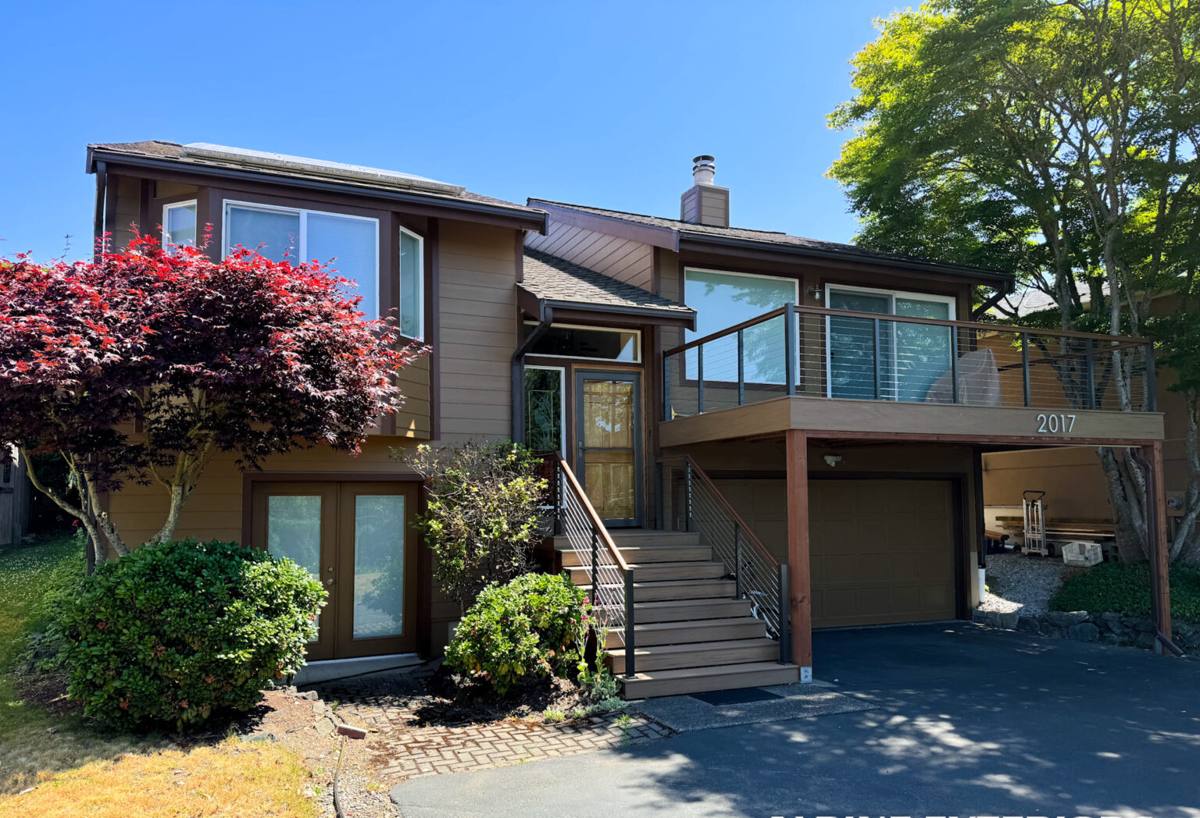
What St. Petersburg's Climate Does to Older Windows
Windows in Historic Kenwood take a beating that windows in drier, milder climates simply don't face. A few factors compound on each other here:
- Intense, near year-round UV exposure breaks down window glazing putty, wood sash paint, and vinyl frame components faster than in northern climates.
- Wind-driven rain off the Gulf and Tampa Bay finds gaps in old frames and worn weatherstripping, leading to sill rot and interior moisture damage.
- Salt air, even several miles from open water, accelerates corrosion on window hardware, aluminum frames, and fasteners.
- Hurricane-force wind events put direct structural load on glass and frames, and older single-pane windows were never engineered for current Florida Building Code wind pressures.
- Humidity keeps wood components damp longer after rain, which is what actually causes rot — not the rain itself.
Put together, this means a window that might last 40+ years with minimal issues in a dry climate can show serious wear in half that time on a home a few blocks from Tampa Bay. Original wood-sash windows from Kenwood's early construction era have often survived this long because they were built from old-growth, dense lumber — but the glazing, ropes, weights, and paint systems around that wood usually have not.
Working Within a Historic Neighborhood's Character
Preserving Curb Appeal While Upgrading Performance
Kenwood's value as a neighborhood is tied directly to its historic look. A window replacement that technically performs well but changes the proportions, grille pattern, or profile of the original openings can hurt a home's character and its resale appeal within the district. Our approach starts with matching what's original — sash count, grid pattern, glass proportions, and trim depth — before we talk performance upgrades.
Design Review and Documentation
Depending on the specific designation and guidelines that may apply to a property in a historic district, some exterior changes can require documentation or review before work begins. We don't assume what applies to any individual house — that's a conversation we have with the homeowner up front, based on that property's specific status, rather than a blanket policy we apply to every Kenwood address. If your home requires any outside review, we'll tell you plainly rather than guess.
What a Correct Window Replacement Job Actually Involves
Window replacement gets sold as a simple swap, but the parts that determine whether it lasts are mostly invisible once the trim goes back on. Here's what should happen on every job, historic home or not:
Accurate Measurement and Product Matching
Older openings are rarely perfectly square, and Kenwood's building stock spans several original construction eras with different rough-opening conventions. Each window gets measured individually — not assumed from a floor plan — and the replacement unit is selected to fit that specific opening's condition.
Careful Removal
On an older home, removal matters as much as installation. Original trim, siding, and stucco or wood cladding around the opening can be damaged by a rushed tear-out. We remove the old sash and frame in a way that protects the surrounding material, especially where trim profiles are original and not easily replaced to match.
Flashing and Moisture Management
This is the step that gets skipped most often industry-wide, and it's the one that causes the most long-term damage. Proper flashing integrates with the wall's existing moisture path — whatever that is on that particular house — so wind-driven rain sheds outward instead of tracking behind the new frame. Skipping or improvising this step is how a brand-new window ends up with rot inside the wall cavity within a few years.
Sealing and Finish Work
Sealant, insulation, and interior/exterior trim finishing all affect both energy performance and long-term water resistance. On a historic property we also match trim profiles and paint lines so the finished opening doesn't look like an obvious retrofit.
Choosing the Right Window for an Older St. Petersburg Home
There's no single "best" window for every Kenwood property — it depends on the home's construction, the owner's priorities, and whether the exterior needs to visually match its original character. Here's an honest comparison of the main options homeowners in this neighborhood weigh:
| Window Type | Best For | Trade-offs |
|---|---|---|
| Impact-rated vinyl | Homes prioritizing storm protection without repainting maintenance | Frame profiles are thicker than historic wood sash; color/finish options are more limited than paint |
| Impact-rated aluminum | Homes wanting narrower sightlines closer to historic wood-window proportions | Higher material cost than vinyl; still needs a quality installer for proper flashing |
| Wood or wood-composite | Properties where matching original historic detail is the top priority | Requires ongoing paint/maintenance; more sensitive to installation quality in a humid climate |
| Restored original wood sash | Homes where the original glass and frame are still structurally sound | Doesn't add storm-wind capacity on its own; best paired with separate storm protection |
We don't push a single product line as the answer for every house. What we do insist on, as our own standard, is that whatever window goes in is installed with proper flashing and sealing — a well-chosen window installed poorly will fail faster than a mid-range window installed correctly.
Storm Performance and Florida Building Code
Pinellas County sits in a wind zone where new and replacement windows are required to meet specific pressure and impact standards under the Florida Building Code, and Kenwood's older housing stock predates all of that. When we replace a window here, part of the job is making sure the new unit is rated appropriately for its wall's exposure and height — not just swapping in whatever size fits the opening. For homeowners who want to keep original wood sash for character reasons, we'll talk through separate storm-protection options rather than assume the window itself has to carry that load.
Our Process for a Historic Kenwood Home
Every property in this neighborhood is a little different, but the process we follow stays consistent:
- On-site assessment of existing window condition, opening squareness, and any visible moisture or rot damage
- Discussion of the home's historic status and any review requirements that may apply before work is scheduled
- Product selection based on the home's construction, budget, and how much the owner wants to preserve original appearance
- Accurate individual measurement of each opening — no generic sizing
- Careful removal that protects surrounding trim, siding, and interior finishes
- Proper flashing and sealing integrated with the wall's existing moisture path
- Finish work matched to the home's existing trim and paint lines
- Final walkthrough to confirm operation, sealing, and appearance before we consider the job done
Why Local Experience in This Neighborhood Matters
A crew that has already worked on Kenwood's bungalows and older construction knows what to expect before they open the wall — where rot typically hides, how these homes were originally trimmed, and what it takes to get a replacement window to sit right in a frame that's a century old in places. That familiarity saves time, avoids surprise costs from hidden damage, and reduces the odds of a mismatched result that stands out on a street full of historic homes. It also means fewer assumptions and more accurate answers when a homeowner asks what a specific property will actually need.
Maintenance After Installation
Even a well-installed window needs some upkeep in this climate. Rinse salt residue off frames periodically if the home is closer to the water, check exterior caulking annually for cracking from UV exposure, and keep weep holes clear so wind-driven rain has somewhere to drain. On wood-frame replacements, repaint on a schedule rather than waiting for visible peeling — Florida sun breaks down exterior paint faster than most homeowners expect.
If you own a home in Historic Kenwood and want a straight assessment of what your windows actually need — whether that's full replacement, partial replacement, or repair of what you have — we offer free, no-pressure estimates. Use the form below to get started.