 St. Petersburg Roofing
 Deck Replacement in Historic Old Southeast
Old Southeast is one of St. Petersburg's older, established neighborhoods, built out with the kind of bungalow and Craftsman-era homes that give this part of the city its character. A lot of the decks attached to those homes were added or rebuilt well after the house itself went up, and by now plenty of them are old enough that patch repairs have stopped making sense. When a deck's framing, connections, and decking are all reaching the end of their useful life at roughly the same time, replacement is usually the more honest answer than another round of board swaps.
This page is specifically about full deck replacement for homes in Old Southeast, not deck repair and not a general overview of decks everywhere in Pinellas County. The climate this neighborhood sits in — hurricane-force winds, intense year-round UV, wind-driven rain, and salt air working on the structure day after day — shapes almost every decision in a replacement job, from what's underneath the decking to what goes on top of it.
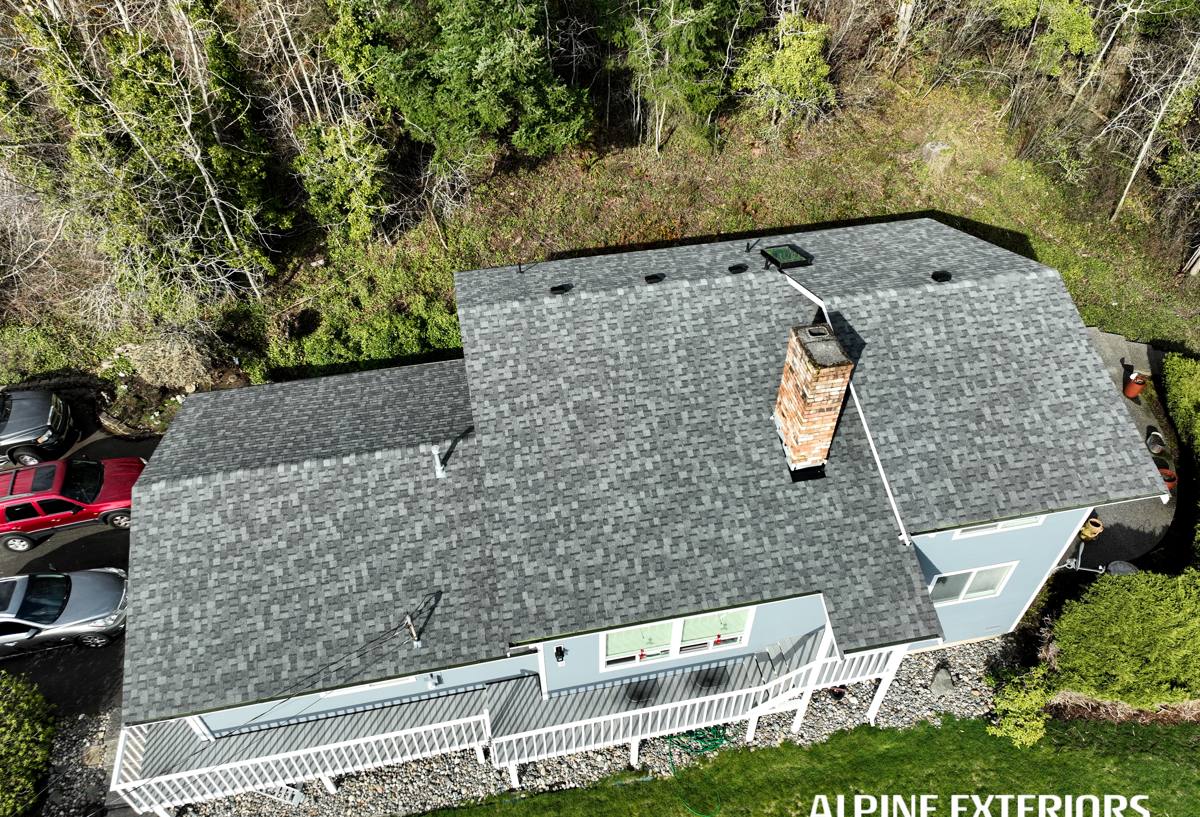
Why This Climate Wears Out a Deck Faster Than It Wears Out the House
A deck is outdoors, horizontal, and low to the ground, which means it takes on the full brunt of the local climate with almost nothing to shield it. In St. Petersburg and the rest of Pinellas County, that means dealing with several stresses at once rather than one at a time.
Salt Air and Fastener Corrosion
Being close to Tampa Bay means homes throughout this part of St. Petersburg get a steady dose of salt-laden air, even without a storm in the forecast. Salt accelerates corrosion in nails, screws, joist hangers, and any other metal hardware holding a deck's frame together. Because most of that hardware sits hidden under the decking surface, it can lose a meaningful amount of holding strength before anything looks wrong from above.
Wind-Driven Rain and Hurricane-Force Wind
Straight-down rain is easy for most deck designs to handle. Wind-driven rain, which this area sees regularly during summer storms and more severely during hurricane season, gets pushed sideways into ledger connections, board gaps, and post bases that were never designed to shed water from that angle. Add in the structural loading that hurricane-force wind puts on railings, posts, and the ledger-to-house connection, and it's clear why a deck built to a minimum standard doesn't hold up the way one built for this specific climate does.
Intense, Year-Round UV
Florida's UV exposure doesn't ease up in winter the way it does farther north. That constant sun load breaks down the surface fibers of wood decking, dries out sealants and caulk, and fades finishes well ahead of a deck's structural end of life. Surface breakdown from UV is also what opens the door for moisture to start working its way into wood that would otherwise still have years left in it.
Why Older Homes in Old Southeast Add Another Layer to This
Decks Attached to Older Construction
Many homes in this neighborhood are decades old, and the deck attached to one of them is frequently not original to the house — it was added, rebuilt, or expanded at some point after the home was built. That matters for a replacement because the ledger board connection has to tie into whatever rim joist and sheathing condition actually exists on that house today, not into a generic new-construction assumption. On an older home, we check that connection carefully before assuming it's a straightforward tie-in.
Mature Tree Canopy
Established neighborhoods like this one tend to have mature tree cover that newer subdivisions simply don't have yet. Shaded decks stay damp longer after rain than decks with open sun exposure, which affects both how the deck ages and how quickly moss, algae, and mildew build up on the surface. A replacement plan needs to account for how much shade a given deck actually sits under, not just the neighborhood's climate in general.
Matching the Character of an Older Home
A deck on a bungalow or Craftsman-style home reads differently than one on a newer, more contemporary build. Railing style, post detailing, and decking color all affect whether a new deck looks like it belongs on the house or like it was bolted on as an afterthought. We treat that as part of the design conversation up front, not an afterthought once the framing is already built.
Signs a Deck Has Reached the Point of Replacement, Not Repair
Not every deck problem calls for a full rebuild, but a combination of the signs below usually means repair is only delaying the inevitable:
- Soft, spongy, or spring-feeling boards across multiple sections of the deck, not just one isolated spot
- Structural framing — joists, beams, or the ledger board — showing rot, not just the decking surface
- Multiple posts loose at the base or showing soft wood where they meet grade or a footing
- Widespread corrosion or rust staining on fasteners and hardware throughout the structure
- A deck that's already been patched or repaired more than once for the same recurring problem
- Railings or structural connections that don't meet current code, especially on an older deck built before current standards
- A deck old enough that its decking material, fasteners, and framing are all nearing end of life around the same time
When the underlying structure is compromised in more than one place, replacing a board here and a board there stops being a cost saver and starts being money spent on a deck you're going to replace anyway within a few years.
What a Correct Deck Replacement Actually Involves
Full Tear-Out and Inspection
Replacement starts with removing the old deck down to the ledger and any posts or footings being reused, which gives us a clear look at the rim joist and sheathing behind the old ledger connection. On an older home, this is often the first real look anyone has had at that connection in years, and it's the point where hidden rot or past water intrusion gets caught before it's built over again.
Permitting
Deck replacement in St. Petersburg and Pinellas County generally requires a permit, and structural work like this should always go through proper inspection rather than being treated as a cosmetic project. We handle that process as part of the job rather than leaving it for the homeowner to sort out.
Framing and Structural Connections
New framing gets built to current code, with structural connectors, joist hangers, and fasteners rated for coastal exposure rather than standard hardware that corrodes faster this close to the bay. The ledger connection gets flashed correctly so wind-driven rain can't work its way behind it and into the house's rim joist, which is one of the most common sources of serious deck failure anywhere.
Post Bases and Footings
Posts get set so they're isolated from standing ground moisture rather than sitting directly in a moisture trap, which matters more under mature tree cover where the ground and surrounding air stay damp longer after rain.
Decking, Railing, and Finish Selection
What goes on top of the new framing is a separate decision from the structure underneath it, and it's where budget, maintenance tolerance, and the look of the home all come into play.
Decking Material Options for This Climate
| Material | How It Handles This Climate | Upfront Cost | Ongoing Maintenance |
|---|---|---|---|
| Pressure-treated wood | Structurally proven and affordable, but absorbs moisture and moves with Florida's heat and humidity swings | Lowest | Highest — needs periodic sealing or staining to slow UV and moisture damage |
| Cedar or hardwood | More naturally decay-resistant than pine, but still absorbs moisture and grays quickly under intense UV | Moderate to high | Regular finish upkeep to preserve color and slow surface checking |
| Composite decking | Doesn't absorb water into the board structure the way wood does; resists rot at the board level | Moderate to high | Low, but quality and heat retention vary significantly by brand |
| PVC decking | Fully synthetic, does not absorb moisture or support rot | Highest | Lowest — least field maintenance of the common options |
None of these choices matters much if the framing, flashing, and fasteners underneath aren't done right first. The decking surface is what you see and walk on, but the structure below it is what determines whether the new deck actually lasts through hurricane season after hurricane season.
Our Deck Replacement Process
- On-site assessment — we look at the full existing deck, the ledger connection, and the condition of the house wall behind it, not just the visible wear on the decking
- Honest scope and design conversation — we talk through decking material, railing style, and any design considerations that fit the look of an older, established home
- Permitting — we pull the required permits and schedule the necessary inspections before and during the build
- Demo and structural build — full tear-out, ledger and framing work, post and footing installation, all built to current code and coastal-rated hardware standards
- Decking, railing, and finish installation — the material you chose, installed correctly with proper fastening and drainage
- Final walkthrough and inspection sign-off — confirming the deck is solid, level, and code-compliant before we call the job finished
Design Considerations for a Historic-Character Home
Homes in older neighborhoods like this one often carry a specific architectural character, and some properties in designated historic districts may face additional design review for exterior changes that are visible from the street. Before finalizing a design, it's worth checking with the city whether your specific property falls under any such review, since that can affect railing style, decking color, or visible framing details. Beyond any formal review, a deck that echoes the porch railings, trim style, or general proportions of a bungalow or Craftsman home simply looks more intentional than one that reads as a generic add-on. We factor that into the design conversation for these homes rather than defaulting to a one-size-fits-all layout.
Why Hiring a Crew That Already Works Old Southeast Matters
A deck replacement crew that works this part of St. Petersburg regularly already has a working sense of what to expect before they show up: the salt exposure coming off Tampa Bay, the way mature tree canopy keeps certain decks damp longer than others nearby, and the age and construction quirks common to homes built decades ago in this neighborhood. That familiarity shows up in faster, more accurate assessments and fewer surprises once demo starts. It also matters for permitting — a contractor who's pulled permits in St. Petersburg and Pinellas County before knows what the process actually requires and how to scope a job so it moves through inspection without unnecessary delays.
Keeping a New Deck Sound in This Climate
A correctly built replacement is a long-term investment, and a few habits help it hold up against everything Pinellas County throws at it:
- Rinse salt residue off decking and hardware periodically, especially after storms or high-wind days
- Keep gutters and downspouts directing water away from the deck and its footings rather than onto them
- Check for standing water after heavy rain and address drainage if it isn't clearing within a few hours
- Reseal or refinish wood decking on the schedule the product actually needs under intense Florida UV, not a milder-climate timeline
- Have the deck checked after major storm events, particularly for loosened railings or shifted post connections
If your deck in Old Southeast has reached the point where repairs keep coming back, or you're ready to start fresh with something built correctly for this climate and this home, we're happy to take a look and walk you through your options. Reach out using the form below for a free, no-pressure estimate.