 St. Petersburg Roofing
 Siding That Has to Work Harder in Historic Old Southeast
Historic Old Southeast sits close enough to Tampa Bay that its homes take on a different kind of weather exposure than houses ten or fifteen miles inland. The neighborhood's older housing stock — much of it built well before modern wind-load codes and vapor-barrier standards existed — was never designed with today's climate stresses in mind. When that older framing and sheathing gets paired with the wrong siding product, or with a good product installed the wrong way, problems show up faster here than almost anywhere else in Pinellas County.
Four things drive nearly every siding failure we see in this part of St. Petersburg: hurricane-force wind events that flex and pry at panels and fasteners, intense year-round UV that breaks down paint films and some composite materials from the outside in, wind-driven rain that gets forced sideways and upward under laps and trim during tropical systems, and constant salt-laden air off the bay that accelerates corrosion on fasteners, flashing, and anything metal. None of these are occasional problems. In this neighborhood they're a baseline condition every siding job has to be engineered around, not an edge case.
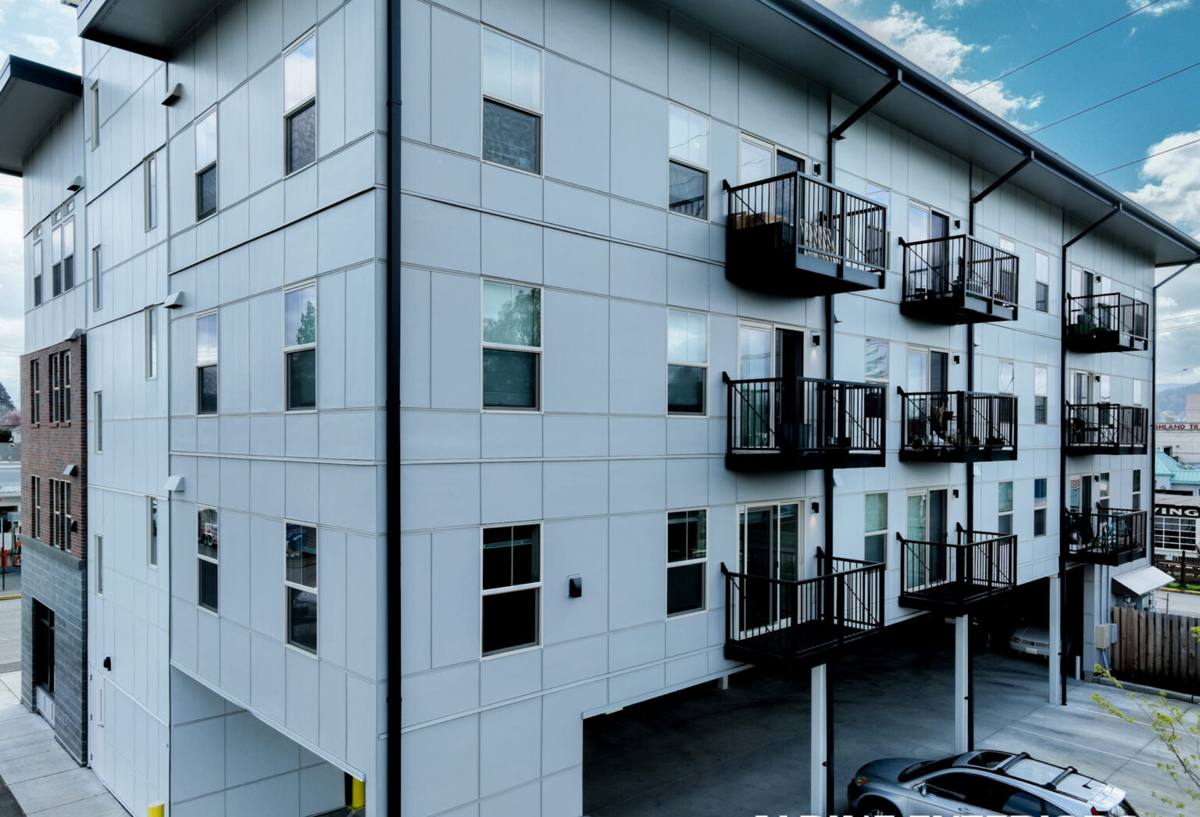
What's Different About Historic Old Southeast's Housing Stock
Without pretending to know the history of any specific property, the general pattern across older St. Petersburg neighborhoods like this one holds true: original wood siding, aging wall sheathing, and decades of prior repairs and repaints layered on top of each other. That combination creates a few recurring conditions we plan for before we ever propose a siding system:
- Original wall sheathing that may have shifted, softened at corners, or been patched over multiple decades
- Window and door openings that were flashed to older standards, if they were flashed at all
- Multiple paint layers on old wood trim that can hide rot until siding comes off
- Additions or porch enclosures built at different times, with seams where materials and eras meet
- Limited or inconsistent original attic and wall ventilation
None of that is unusual for a historic Florida neighborhood, and none of it is a reason to avoid re-siding a home. It is, however, a reason to insist on a full tear-off and inspection rather than an over-clad or a quick panel swap. Covering unknown problems with new siding just delays them — and in a coastal, storm-exposed neighborhood, delayed problems tend to come back as emergencies.
Why We Standardize on James Hardie for This Kind of Exposure
We install James Hardie fiber cement siding exclusively — not vinyl, not LP SmartSide, not primed wood, not other cement-fiber brands. That's a deliberate standard, not a sales preference, and it matters even more in a neighborhood with this specific mix of storm wind, UV, and salt air.
Vinyl siding softens and can deform in the kind of sustained heat this area sees, and it has real limits on wind resistance once fastener spacing or clearances are off even slightly — a common failure point in retrofits on older, less-uniform framing. Wood and primed spruce look right when new but demand a repaint and caulk cycle that most homeowners underestimate, and in salt air and high UV that cycle comes around faster than people expect. James Hardie's fiber cement is non-combustible, holds its shape in heat, and doesn't rely on paint film alone for its finish — its ColorPlus factory finish is baked on and warranted separately from the substrate, which is a meaningfully different proposition than a field-applied coat of paint that starts degrading the day it's rolled on.
None of this means other siding products are junk. Vinyl is inexpensive and low-maintenance in mild climates; wood has genuine historic character. We simply won't install products whose real-world maintenance burden, moisture behavior, or wind performance falls short of what we're comfortable standing behind on a home exposed to hurricane winds and salt air for decades. James Hardie is what we've chosen to put our name on.
HZ5 vs. Standard Fiber Cement: Why the Zone Rating Matters Here
James Hardie engineers its siding in different formulations for different climate zones, and Pinellas County falls in the HZ5 zone — the company's highest moisture-and-humidity engineering tier. That's not a marketing label; it changes the product's composition and how it behaves against the specific stresses this neighborhood deals with.
| Factor | HZ5 (Gulf Coast) Formulation | Standard/HZ10 Formulation |
|---|---|---|
| Moisture resistance | Engineered for high humidity and heavy rain exposure | Engineered for drier, more temperate climates |
| Freeze-thaw durability | Not a design priority | Primary design priority in northern zones |
| Fit for coastal salt air | Recommended formulation for this exposure | Not intended for this exposure |
| Fit for St. Petersburg/Pinellas County | Correct choice | Wrong formulation for this region |
This is one of the reasons a generic siding quote pulled from a national price list can be misleading — the product code matters as much as the brand name. We only spec and order HZ5-rated Hardie products for homes in this area, including Historic Old Southeast.
What a Correct Installation Actually Involves
Fiber cement siding is only as good as the wall assembly behind it, and this is where most siding jobs — on older homes especially — go wrong. A correct James Hardie installation on a Historic Old Southeast home generally includes:
Tear-off and inspection
Full removal of existing siding, not an over-clad, so the sheathing, framing, and any prior patchwork underneath can actually be seen and addressed before anything new goes on.
Weather-resistive barrier
A code-compliant water-resistive barrier installed correctly around every penetration, corner, and transition — this is the layer that actually stops wind-driven rain from reaching the wall cavity, and it's frequently the piece that gets rushed on lower-bid jobs.
Flashing at every opening
Windows, doors, and any roof-to-wall intersections get flashed and integrated with the barrier system so water is directed out, not trapped behind the siding — critical given how much of this area's rain arrives sideways during storms rather than straight down.
Manufacturer-specified fastening and clearances
Correct nail type, spacing, and penetration depth per Hardie's published installation instructions, plus the required clearance from grade, roofing, and decking — clearances that are easy to shortcut and that directly affect both wind performance and long-term moisture exposure.
Joint and butt-joint treatment
Proper caulking or H-molding at panel joints, with attention to expansion gaps, so seams don't become the first place UV and moisture cycling create a failure point.
Corrosion-resistant fasteners and trim hardware
Stainless or hot-dip galvanized fasteners and hardware throughout — standard hardware corrodes noticeably faster this close to the bay, and a failed fastener is one of the more common causes of a panel working loose in high wind.
Our Process for Historic Old Southeast Projects
- On-site walkthrough and assessment of existing siding, trim, and any visible sheathing or moisture issues
- Written scope covering tear-off, barrier system, flashing details, and the specific Hardie HZ5 products and ColorPlus color
- Tear-off with sheathing inspection — any rot or damage found gets documented and addressed before siding goes back up, with no surprises added mid-job without your sign-off
- Weather barrier, flashing, and trim installation per manufacturer spec
- Hardie panel, plank, or shingle installation with correct fastening and clearances
- Final walkthrough covering caulking, trim paint-matching where applicable, and cleanup
Because we work in this neighborhood regularly, we're not learning the quirks of its housing stock for the first time on your project — we already have a working sense of what tends to be hiding behind older siding here and price accordingly instead of surprising you with change orders once the tear-off starts.
Cost Factors Homeowners Should Know Before Getting Quotes
| Factor | Why It Moves the Price |
|---|---|
| Sheathing/framing condition | Rot or damage found during tear-off requires repair before new siding goes up |
| Home size and wall complexity | More corners, trim details, and dormers mean more labor and cut waste |
| Siding profile chosen | Lap, shingle, and panel styles differ in material and labor cost |
| ColorPlus color and trim package | Factory-finished color and matching trim add cost versus field-painted options |
| Access and site conditions | Tight lots, mature landscaping, or multi-story sections affect equipment and labor time |
We won't quote a firm number without seeing the home, and we're upfront when a low bid elsewhere likely means a lighter-gauge barrier system, non-HZ5 product, or a skipped tear-off — all of which cost more to fix later than they saved upfront.
Maintaining Hardie Siding in This Climate
- Rinse siding periodically to clear salt residue and organic buildup, especially on sides facing the bay or prevailing wind
- Inspect caulking at joints and trim annually, and re-caulk anywhere it's cracked or pulled away
- Walk the exterior after any named storm to check for loose panels, damaged trim, or fastener issues
- Keep irrigation and sprinkler heads from spraying directly onto siding long-term
- Address any paint chalking or fading on trim promptly rather than letting it spread
This is a fraction of the upkeep wood siding demands in the same conditions, but it isn't zero-maintenance — and skipping these basics is how minor issues turn into repairs.
Why Local Experience in This Specific Neighborhood Matters
A siding crew that mostly works new subdivisions with uniform, modern framing approaches a job very differently than one that regularly works historic St. Petersburg neighborhoods. In Historic Old Southeast, that difference shows up in how tear-off is bid, how much time is budgeted for sheathing repair, how flashing details are handled around older window openings, and how realistically the timeline accounts for what's usually found once the old siding comes off. A crew unfamiliar with this housing stock tends to either under-bid and hit change orders, or over-bid to cover unknowns they can't quantify. Working here regularly lets us do neither.
If you're considering James Hardie siding for a home in Historic Old Southeast, we're happy to walk the property, look at what's there now, and give you a straight assessment of what a correct job would involve — with a free, no-pressure estimate using the form below.