 St. Petersburg Roofing
 Siding Replacement Built for Old Southeast, Not a Generic Florida Job
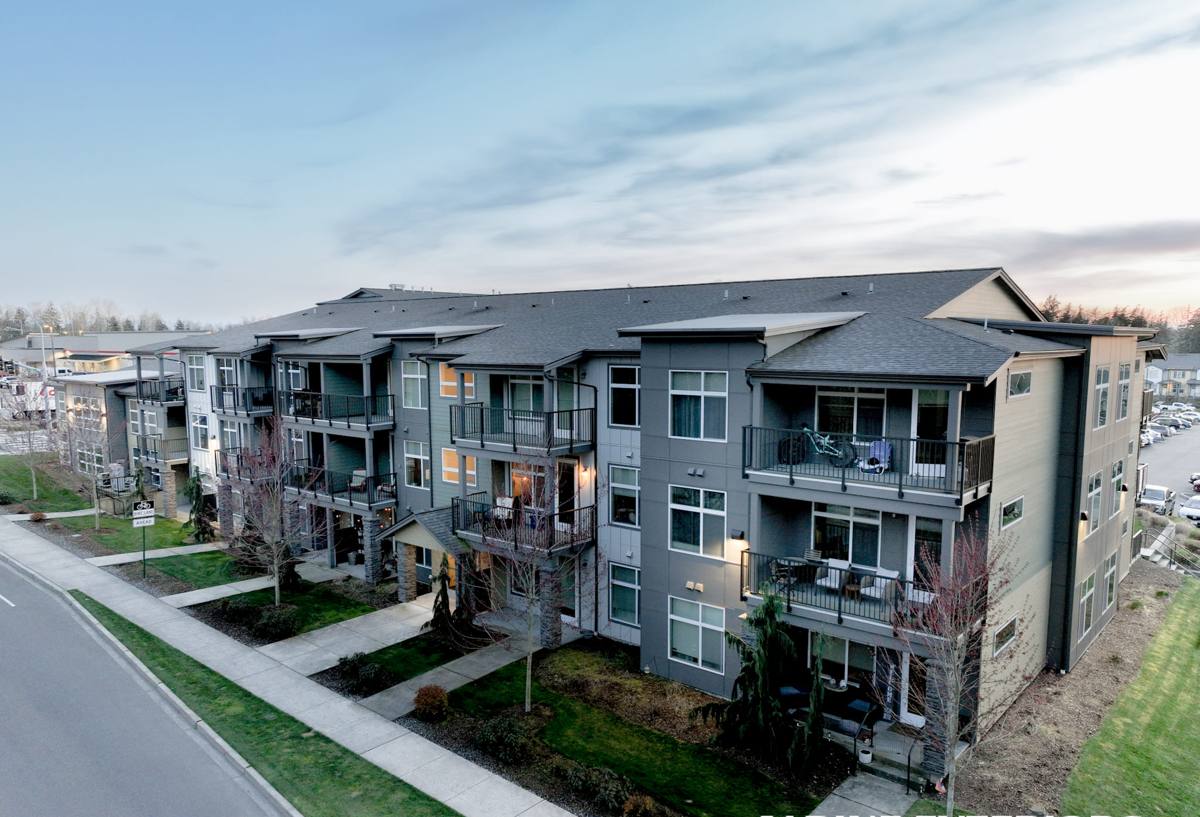
Old Southeast is one of St. Petersburg's established, close-in neighborhoods, with a mix of older homes and newer construction sitting close together on tree-lined streets. A lot of the original siding on these homes was never built for what Pinellas County throws at it today — decades of intense sun, salt-laden air pulled in off Tampa Bay, and the wind-driven rain that comes with every serious storm system. When we replace siding here, we're not just swapping old boards for new ones. We're correcting whatever let the last set of siding fail in the first place, so the replacement actually holds up.
This page focuses specifically on siding replacement for homes in and around Old Southeast — what the local climate demands, what a correct job looks like, and why we install one product line exclusively.
What St. Petersburg's Climate Does to Siding Over Time
Every siding material eventually shows wear, but the pace and pattern of that wear in this part of Florida is distinct from what you'd see in a drier, cooler climate.
Hurricane-Force Wind
Pinellas County sits on a peninsula, and Old Southeast's proximity to open water means homes here take direct exposure during tropical systems. Wind doesn't just push against siding — it gets underneath loose or improperly fastened panels and pries them off from behind. Siding that was installed with the wrong fastener pattern, or without proper clearance and sealing at the edges, is the siding that ends up in the yard after a storm.
Year-Round UV Exposure
St. Petersburg gets strong, direct sun nearly every month of the year. Field-applied paint finishes chalk, fade, and crack under that kind of consistent UV load. Once the paint film breaks down, the substrate underneath is exposed to moisture, and that's when real damage — swelling, rot, delamination — starts.
Wind-Driven Rain and Humidity
Rain here rarely falls straight down. During storms it drives sideways into wall assemblies, and Old Southeast's humid, subtropical climate means whatever moisture does get behind siding doesn't dry out quickly. Siding systems that trap moisture instead of shedding it are a slow-motion problem, even when nothing looks wrong from the curb.
Salt Air
Being this close to the bay means salt is a constant presence in the air, even away from direct waterfront. Salt accelerates corrosion of fasteners and metal flashing, and it degrades some siding finishes faster than inland exposure would. Any replacement job in this neighborhood needs to account for that, not just standard Florida humidity.
Why Older Homes in This Neighborhood Are Especially Vulnerable
Many homes in Old Southeast have been through multiple re-siding or repaint cycles over the years. That history matters. Layers of old caulk, patched sections, and repairs done to different standards at different times often hide moisture damage in the sheathing or framing underneath. A siding replacement here isn't just about the visible surface — it's an opportunity to find and fix what's been building up behind it, sometimes for years.
We also pay attention to how a home fits into the character of the street. Old Southeast has a mix of architectural styles, and homeowners here are often more particular about how a re-sided house looks — not just that it performs well, but that it still looks like it belongs on the block.
What a Correct Siding Replacement Actually Involves
A siding replacement is only as good as what happens underneath it. Skipping steps here is exactly how a new-looking siding job fails within a few years in this climate.
- Full removal of old siding and trim, not just an overlay or partial patch
- Inspection of the sheathing and framing for rot, water staining, or insect damage before anything new goes up
- Repair or replacement of any compromised structural material — not siding over a soft spot
- Correct installation of a weather-resistive barrier, properly lapped and sealed
- Flashing detail at every window, door, and roofline intersection, since these are the most common failure points in wind-driven rain
- Manufacturer-specified fastener type, spacing, and clearance — not a generic "close enough" pattern
- Proper gapping and sealing at panel joints to allow for expansion without letting water in
Any one of these steps done wrong can undermine an otherwise good product. This is where the material you choose and the crew installing it both matter.
Why We Install Only James Hardie Fiber Cement Siding
We don't offer vinyl, LP SmartSide, Cemplank, Allura, or primed wood siding. That's a deliberate standard, not an oversight. In a climate like St. Petersburg's, the trade-offs of those products show up faster and cost homeowners more over time.
Vinyl
Vinyl is affordable and low-maintenance in mild climates, but it softens and can distort in sustained heat, and it's more prone to cracking and blow-off in high wind because of how it's fastened to the wall. In direct hurricane-force gusts, that's a real liability.
Engineered Wood (LP SmartSide) and Wood-Based Products
Engineered wood siding performs well in many parts of the country, but any wood-based product depends heavily on an intact factory or field finish to keep moisture out. In a humid, salt-air environment with heavy wind-driven rain, any breach in that finish — a scratch, a poorly sealed cut edge, a nail hole — gives moisture a path in, and wood-based substrates don't handle sustained moisture exposure well.
Other Fiber Cement Brands (Cemplank, Allura)
These are legitimate fiber cement products, and fiber cement as a category is the right call for this climate. Our reason for standardizing on one brand isn't about the category — it's about consistency of finish quality, product line engineering for humid climates, and warranty backing, which we've found to be strongest with James Hardie.
What James Hardie Gets Right for This Climate
James Hardie fiber cement is non-combustible, dimensionally stable in heat and humidity, and resistant to termites and rot because it isn't wood-based. The HZ5 product line is engineered specifically for humid climate zones like Pinellas County, with formulation adjusted for moisture exposure. The ColorPlus factory finish is baked on under controlled conditions, which holds color and resists fading far longer than a field-applied paint job exposed to Florida's UV load from day one. Hardie also backs its products with a strong, transferable warranty, which matters if you sell the home down the road.
Siding Options Compared for This Climate
| Material | Wind/Storm Resistance | Salt Air & Moisture | UV/Fade Resistance | Long-Term Maintenance |
|---|---|---|---|---|
| Vinyl | Moderate — can crack or blow off in high winds | Generally inert but seams and fasteners are vulnerable | Fades and can warp under sustained heat | Low, but limited repair options once damaged |
| Engineered Wood | Good if properly fastened | Vulnerable if finish is breached | Depends on finish maintenance | Higher — finish upkeep is critical |
| James Hardie Fiber Cement | Strong when installed to spec | Resistant; non-organic substrate | ColorPlus finish holds up for years | Low — no repainting cycle needed for years |
Our Process for Old Southeast Siding Replacement Projects
Working repeatedly in this neighborhood has shaped how we approach every job here.
1. On-Site Assessment
We look at the current siding, trim, and any visible signs of moisture intrusion, and we talk with you about how the home is used and what's bothered you about the current exterior.
2. Tear-Off and Inspection
Once old siding comes off, we inspect the sheathing and framing directly rather than assuming it's sound. This is often where we find issues that weren't visible from outside.
3. Repair Before Rebuild
Any compromised material gets addressed before new siding goes up. We won't install a new product over an unresolved structural problem.
4. Weather Barrier and Flashing
We install and detail the weather-resistive barrier and flashing to current best practice, with particular attention to window and door openings, since these are the most common leak points in wind-driven rain.
5. James Hardie Installation to Manufacturer Spec
Correct fastener type, spacing, panel gapping, and caulking, following Hardie's published installation requirements — not a generalized approach borrowed from other siding types.
6. Final Walkthrough
We walk the finished exterior with you, check details up close, and answer any questions about care and warranty registration.
Signs Your Old Southeast Home May Need Siding Replacement
- Visible warping, buckling, or separation at panel seams
- Paint that's peeling, chalking heavily, or needing repainting every year or two
- Soft spots when you press on the siding, especially near the bottom edges or trim
- Staining, streaking, or a musty smell that suggests trapped moisture
- Gaps or cracks around windows, doors, or corner trim
- Noticeably higher cooling bills, which can point to a compromised building envelope
- Visible damage after a storm — missing sections, cracked panels, or lifted edges
If you're seeing more than one of these, it's worth having the siding assessed rather than patching individual spots as they appear.
What Affects the Cost of a Siding Replacement Here
Every home is different, but a few factors consistently drive the scope and cost of a project in this neighborhood.
| Factor | Why It Matters |
|---|---|
| Extent of underlying damage | Rot or moisture damage found during tear-off requires repair before new siding can go up |
| Home size and wall complexity | More corners, gables, and trim detail increase labor time |
| Current siding type | Some materials are more labor-intensive to remove than others |
| Trim and accessory work | Fascia, soffit, and trim replacement alongside siding affects total scope |
| Color and profile selection | Certain ColorPlus finishes and plank profiles vary in cost |
We provide a specific, itemized estimate after an on-site look at your home — broad guesses without seeing the house tend to be inaccurate in either direction.
Why It Matters to Hire a Crew That Already Works in Old Southeast
Siding replacement isn't a one-size-fits-all trade. A crew that regularly works in this part of St. Petersburg understands the storm exposure specific to homes near the water, knows how local permitting and inspection processes typically run, and has a feel for the mix of home styles on these streets. That local familiarity shortens the learning curve on your project and reduces the odds of surprises mid-job. It also means we're accountable in a neighborhood where we plan to keep working — not a crew passing through for one job.
If your siding is showing its age or didn't hold up the way it should have after the last storm season, we'd be glad to take a look. Reach out for a free, no-pressure estimate using the form below.