 St. Petersburg Roofing
 Why St. Pete Beach Siding Has a Harder Job Than Most
A house a few blocks off the Gulf faces a different set of stresses than one inland. St. Pete Beach sits right at the edge of Pinellas County's barrier island system, which means salt-laden air moving in off the water almost every day, sun exposure that runs close to year-round, and direct line-of-sight to whatever a tropical system brings ashore. Siding here isn't just a cosmetic layer — it's the first thing standing between your framing and a coastal climate that doesn't let up.
Cheaper siding materials tend to show their weaknesses fastest in exactly this kind of environment. Salt air accelerates corrosion of fasteners and trim hardware. UV breaks down pigments and surface coatings faster than in shadier, cooler regions. Wind-driven rain during storms doesn't just wet the surface of a wall — it drives moisture sideways and upward, testing every seam, joint, and piece of flashing. Homes on or near St. Pete Beach need a siding system engineered for that combination, not a general-purpose product that happens to be available locally.
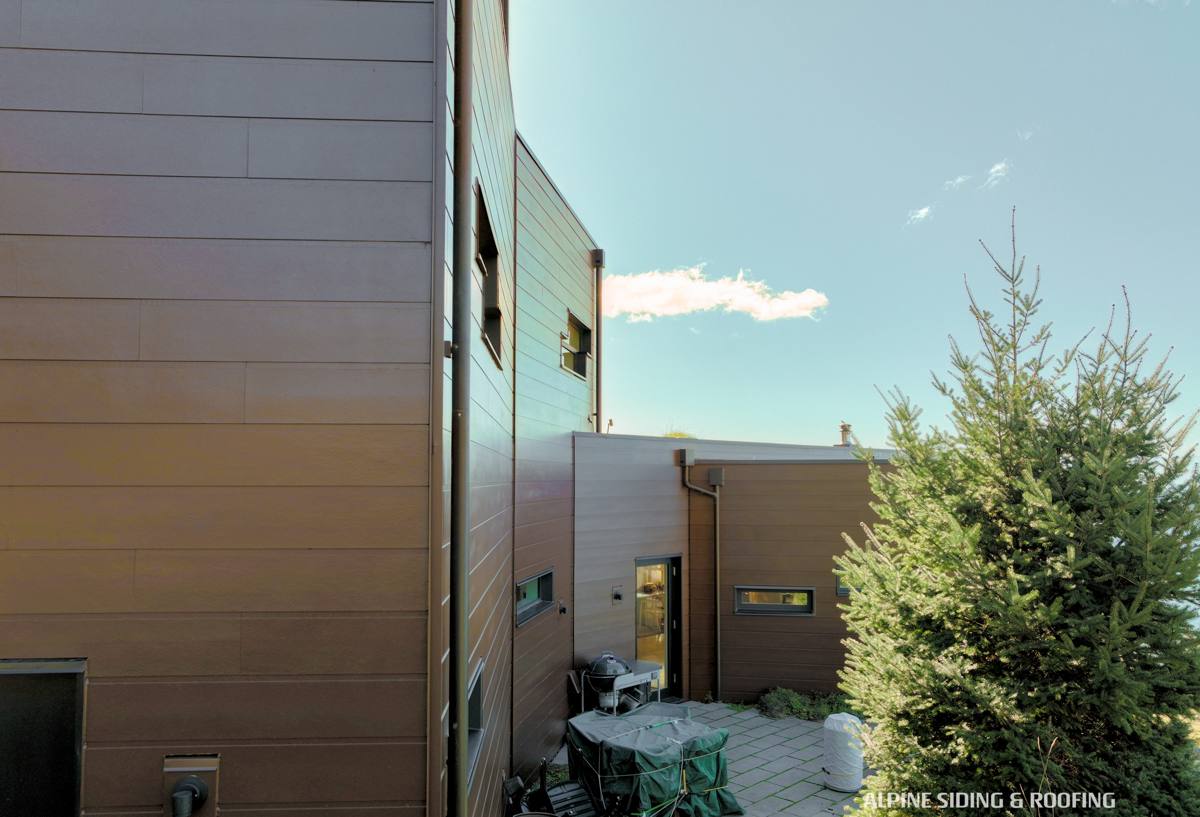
What St. Pete Beach Homes Actually Need From Their Siding
Salt Air Resistance
Airborne salt is corrosive to metal and can degrade certain coatings over time, especially on west- and south-facing walls that catch the most exposure. Siding material and fastener choice both matter here — the wrong combination leads to premature staining, pitting, or coating breakdown well before the siding would otherwise need replacing.
UV Stability
Florida sun is intense and consistent. Paint-grade or lower-quality factory finishes can fade unevenly, chalk, or lose adhesion within a handful of years under this kind of sustained exposure. A finish that's engineered to hold color in high-UV climates saves homeowners from a repaint cycle they didn't budget for.
Wind and Wind-Driven Rain
Pinellas County sees tropical storm and hurricane-force wind events, and St. Pete Beach's proximity to open water means little to slow that wind down before it hits a home. Siding needs to stay mechanically fastened under sustained wind loads and gusts, and the water management behind it — flashing, house wrap, proper laps — needs to handle rain that's being pushed sideways, not just falling straight down.
Humidity and Moisture Cycling
Between Gulf humidity and regular rain, exterior walls here cycle through wet and dry conditions constantly. Siding that swells, warps, or absorbs moisture over time becomes a long-term maintenance headache and, eventually, a path for water intrusion into the wall assembly.
Why We Install James Hardie Fiber Cement — and Nothing Else
This company installs James Hardie siding exclusively. We don't install vinyl, LP SmartSide, Cemplank, Allura, or wood siding, and that's a deliberate standard, not a lack of options. Fiber cement from James Hardie is non-combustible, dimensionally stable, and manufactured with a factory-applied ColorPlus finish that's built to hold up under UV exposure far better than field-applied paint. Hardie also engineers specific product lines (their HZ5 designation, for example) for humid, high-moisture climates like Florida's Gulf Coast, which matters when you're a few miles from saltwater.
Vinyl siding can soften, warp, or crack under intense heat and won't hold up as well to storm-driven debris. LP SmartSide and other engineered wood products use a wood-strand substrate that, if the factory coating or field-applied paint is ever compromised at a cut edge or fastener point, is vulnerable to moisture absorption and swelling — a real risk in a climate where wall assemblies are wet as often as they're dry. Cedar and primed wood siding require an ongoing maintenance commitment — repainting, caulking, and moisture monitoring — that most homeowners don't want to sign up for indefinitely, especially on a coastal property where the elements work against you faster. None of these are "bad" products in every context. They're simply not what we're willing to warranty our workmanship behind on a home that has to survive salt air, sun, and hurricane season every single year.
What a Correct James Hardie Installation Involves
- Full removal of existing siding and inspection of the sheathing and framing underneath for hidden moisture damage or rot
- Repair or replacement of any compromised sheathing before new material goes up
- Installation of a code-compliant weather-resistive barrier (house wrap) as the primary drainage plane
- Correct flashing at every penetration — windows, doors, vents, hose bibs, electrical fixtures, and roof-to-wall transitions
- Proper fastener spacing, type, and depth per James Hardie's published installation specifications for coastal/high-wind zones
- Correct panel and lap spacing to allow for expansion and drainage, not tight-butted joints that trap moisture
- Factory-finished ColorPlus panels installed with touch-up only at cut edges, using Hardie's own touch-up products
- Final inspection of caulking, trim, and joints before the job is considered complete
Every one of those steps matters more in a coastal climate than in a drier, calmer one. Skipping flashing details or using the wrong fastener spec might not show a problem in year one — but on a home exposed to salt air and wind-driven rain, it shows up eventually, usually as a repair bill.
James Hardie Product Lines That Fit This Climate
| Product | What It's For | Why It Fits St. Pete Beach |
|---|---|---|
| HardiePlank Lap Siding | Primary wall cladding, most common choice | Available in HZ5 formulation for humid climates; factory ColorPlus finish resists coastal UV fade |
| HardieShingle | Accent siding, gable ends, dormers | Adds coastal/architectural detail without sacrificing durability |
| HardieTrim | Corner boards, window and door trim, fascia | Fiber cement trim resists the moisture and insect issues wood trim faces in this climate |
| HardieSoffit | Soffit and ventilated soffit panels | Holds up under humidity and salt exposure better than wood or vinyl soffit |
Our Process for a St. Pete Beach Siding Project
1. On-Site Assessment
We walk the exterior with you, check the condition of the current siding and sheathing where accessible, and talk through sun exposure, wind exposure, and any moisture history the home may have.
2. Product and Color Selection
We help you choose the right Hardie product line and ColorPlus color for the home, factoring in HOA or neighborhood guidelines where applicable and how a given color performs under heavy Florida sun.
3. Written Estimate
You get a clear, itemized estimate before any work begins — material, labor, and scope, with no surprise add-ons once the crew is on site.
4. Removal and Substrate Repair
Old siding comes off, and we inspect and repair sheathing before anything new goes up. This step gets skipped by low-bid crews and it's the single biggest predictor of how the new siding performs long-term.
5. Weather Barrier and Flashing
House wrap and flashing go in per code and per James Hardie spec, with particular attention to window, door, and roofline transitions — the areas most likely to leak under wind-driven rain.
6. Installation
Hardie panels are installed to manufacturer fastening and spacing requirements, engineered for wind and moisture performance, not just a fast nail-up.
7. Final Walkthrough
We walk the finished job with you, check trim and caulking details, and make sure everything meets the standard we'd want on our own home.
Why Local Experience Matters for This Job
A crew that already works St. Pete Beach and the surrounding Pinellas County coastline knows what a house here is up against — because they've seen it. They know which fastener specs and flashing details actually hold up to salt air over years, not just on paper. They know how intense Gulf Coast sun treats different finish colors, and they've dealt with the permitting and inspection process in this specific area before, which keeps a project moving instead of stalling on paperwork. That local track record is worth more than a low bid from a crew that's never worked this close to open water.
Cost Factors to Understand Before You Get Quotes
| Factor | Why It Affects Price |
|---|---|
| Home size and wall complexity | More square footage and more corners, dormers, or architectural detail mean more material and labor |
| Substrate condition | Hidden moisture damage or rot found during removal adds repair scope before new siding can go up |
| Product line and profile | HardiePlank, HardieShingle accents, and trim packages carry different material costs |
| Story height and access | Two-story walls and difficult access points increase labor time and equipment needs |
| Existing siding removal | Tear-off and disposal of old material adds labor beyond a straightforward re-side |
We won't quote a firm number without seeing the home, but these are the factors that move a project up or down in price — worth knowing before you compare estimates from different contractors.
Signs Your St. Pete Beach Home May Need New Siding Soon
- Visible cracking, warping, or buckling in current siding panels
- Soft spots or give when you press on the siding, which can indicate moisture damage underneath
- Peeling or bubbling paint that keeps returning even after repainting
- Fading that's uneven across different sides of the home, especially south- and west-facing walls
- Visible gaps, rot, or corrosion at trim, corners, or fastener points
- Rising energy bills that could point to a compromised weather barrier behind the siding
If you're seeing any of these, it's worth having a professional take a look before small issues become bigger repairs — especially heading into another hurricane season.
If your St. Pete Beach home is due for new siding, or you just want an honest read on the condition of what's on the walls now, we'll come take a look and give you a straightforward, no-pressure estimate — use the form below to get started.