 St. Petersburg Roofing
 Why Historic Kenwood Homeowners Are Looking at Metal Roofing
Historic Kenwood is one of St. Petersburg's older residential neighborhoods, built out mostly with bungalow and Craftsman-style homes under a mature tree canopy. Roofs in this part of Pinellas County work harder than roofs almost anywhere else in the country, and homeowners here are increasingly asking about metal roofing as a longer-term alternative to asphalt shingles. The interest isn't a trend for its own sake — it comes down to how many roofing cycles a typical shingle roof goes through on one of these older homes versus how many a properly installed metal roof goes through, and what that means for cost, hassle, and hurricane readiness over a couple of decades.
This page is specifically about metal roofing on Historic Kenwood homes, not a general metal roofing overview. The house age, the neighborhood's character, and St. Petersburg's climate all shape what "doing it right" actually looks like here.
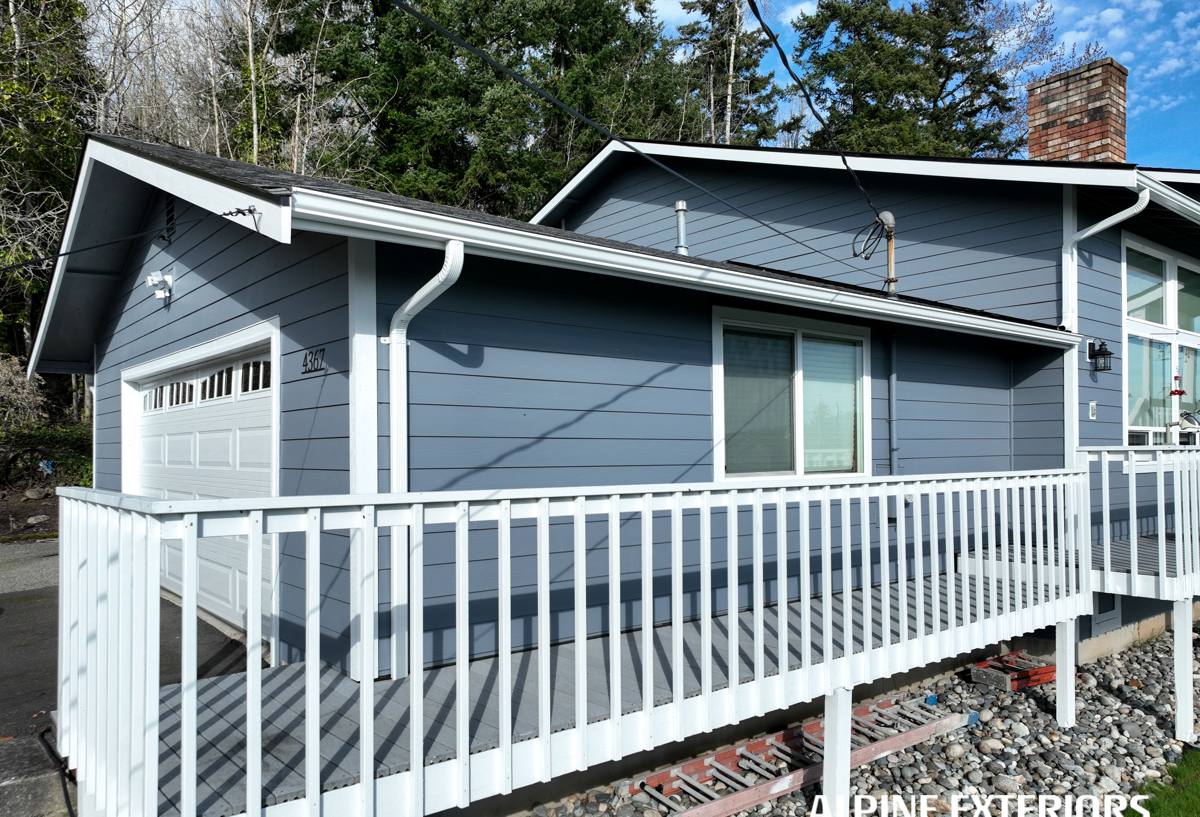
What St. Petersburg's Climate Does to a Roof in This Neighborhood
Every roof in St. Petersburg deals with the same basic stresses, but a shaded, older neighborhood like Kenwood experiences them a little differently than a new build on an open lot.
- Hurricane-force wind: Wind uplift is the single biggest structural threat to any roof in Pinellas County. Panels, fasteners, and underlayment all have to be rated and installed to resist wind trying to peel the roof from the edges and corners inward.
- Intense, year-round UV: Florida sun degrades roofing materials faster than almost any other U.S. climate. Coatings, sealants, and paint finishes all have a shorter effective life here unless they're rated for it.
- Wind-driven rain: St. Petersburg storms rarely come straight down. Rain gets pushed sideways under ridge caps, around penetrations, and up under laps, which is why flashing detail and underlayment matter more here than in drier climates.
- Salt air: Pinellas County is a peninsula. Even neighborhoods that aren't waterfront, including Kenwood, see salt-laden air move through regularly, which accelerates corrosion on unprotected metal and fasteners over time.
- Tree canopy and shade: Kenwood's mature trees are part of the neighborhood's appeal, but they also mean more leaf and debris load, more standing moisture on north-facing slopes, and more contact points where limbs can scuff or damage a roof surface during storms.
What Historic Kenwood Homes Specifically Need From a Metal Roof
Older Roof Decks and Framing
Many homes in this neighborhood were framed decades before current wind-load codes existed. Before any metal roofing goes on, the existing deck and framing need to be evaluated for soundness — soft spots, undersized rafters, or decking that's been patched over the years. Metal roofing is unforgiving of a weak substrate: fasteners need solid wood to bite into, and a panel system is only as wind-resistant as what it's screwed to. On an older home, deck repair or reinforcement is sometimes part of the job, not an upsell.
Respecting the Neighborhood's Character
Bungalow and Craftsman rooflines tend to have moderate pitches, deep eaves, and visible roof planes from the street. A metal roofing profile that looks right on a modern build can look out of place on a house like this. Panel width, seam spacing, and finish color all affect whether the roof reads as an upgrade or a mismatch. We treat this as part of the design decision, not an afterthought.
Choosing the Right Metal Roofing System
Not all metal roofing is the same product wearing different colors. The main systems homeowners in this area consider each have real trade-offs worth understanding before you pick one.
| System | Typical Look | Wind & Water Performance | Best Fit |
|---|---|---|---|
| Standing seam (concealed fastener) | Clean vertical lines, low profile | Strongest against wind uplift and wind-driven rain; fasteners are hidden and protected | Homes wanting a durable, low-maintenance long-term roof |
| Metal shingle / shake panels | Mimics traditional shingle or shake texture | Good wind rating; interlocking panels shed water well | Historic-style homes wanting a traditional look with metal durability |
| Exposed-fastener panels | Ribbed, visible screw lines | Adequate when installed correctly, but fasteners and washers need eventual maintenance | Budget-conscious projects, outbuildings, or less visible roof planes |
For most Kenwood homes, standing seam or a metal shingle profile tends to be the better long-term match — both keep fasteners protected from UV and salt exposure, which matters more here than in inland, drier climates.
What a Correct Metal Roofing Installation Involves
Metal roofing is a system, and every layer under the visible panel matters as much as the panel itself. A correct installation on a home in this climate should include:
- Full deck inspection and repair of any soft, rotted, or undersized sheathing before anything goes down
- A high-temperature, self-adhering or synthetic underlayment rated for Florida heat and UV exposure during construction
- Proper fastening pattern and fastener type matched to the panel manufacturer's wind-rating requirements, not a generic pattern
- Closed-cell foam or metal closures at ridges and eaves to block wind-driven rain and pest entry
- Correctly formed step flashing, counter-flashing, and valley metal at every wall, chimney, and roof-to-roof transition
- Corrosion-resistant fasteners and trim appropriate for salt-air exposure
- Ventilation that's maintained or improved, not blocked, by the new roof assembly
Skipping any one of these doesn't usually show up as a problem on day one — it shows up two or three years later as a leak, a corroded fastener, or a panel that lifts in the next tropical storm.
Permitting and Historic District Considerations
Work on homes in a designated historic area of St. Petersburg can involve additional review beyond a standard Pinellas County building permit, depending on the property's specific designation and the scope of the work. This can affect approved materials, colors, and sometimes panel profile. We don't guess on this — we pull the actual permit requirements for the specific address before finalizing a material choice, so you're not stuck re-doing paperwork or, worse, a roof, after the fact.
Our Process, From Estimate to Finished Roof
- Free on-site evaluation. We walk the roof and attic, check the deck condition, and note any historic-district considerations tied to the address.
- System and profile selection. We go over panel options against your budget, the home's style, and how long you want the roof to last.
- Written estimate. Clear scope, materials, and price — no vague allowances.
- Permitting. We handle the permit application and any historic review coordination.
- Deck prep and repair. Any soft or damaged decking gets addressed before installation, not discovered as a surprise mid-job.
- Installation. Underlayment, panels, flashing, and trim installed to the manufacturer's wind-rated specifications.
- Final walkthrough. We review the finished roof with you before calling the job done.
Cost Factors Worth Understanding Upfront
| Factor | Why It Moves the Price |
|---|---|
| Roof complexity (pitch, valleys, dormers) | More cuts, more flashing detail, more labor time |
| Deck condition | Rotted or undersized decking requires repair before panels go on |
| Panel system chosen | Standing seam typically costs more upfront than exposed-fastener panels but needs less long-term maintenance |
| Gauge and coating | Heavier gauge metal and marine-grade coatings cost more but hold up better to salt air |
| Historic review requirements | May limit material or color choices, which can affect available options and pricing |
Maintaining a Metal Roof in a Shaded, Coastal Neighborhood
- Clear leaves and debris from valleys and gutters after storms, especially under heavier tree canopy
- Rinse off salt residue periodically if the home is closer to the water
- Have flashing and sealant points checked every couple of years, not just after a bad storm
- Trim back branches that hang low enough to scuff the panel finish
- Address any small rust spots on trim or fasteners promptly, before they spread
Why Hiring a Crew That Already Works in Historic Kenwood Matters
A roofing crew that hasn't worked in this neighborhood before is learning on your house — figuring out the permitting process, guessing at what fits the streetscape, and treating your roof like any other job in Pinellas County. A crew that already knows the neighborhood's building stock, the historic review process, and how these older roof decks tend to be framed can move through the estimate, permitting, and installation stages with far fewer surprises. That familiarity is worth something when hurricane season is a yearly reality and getting the details right the first time is a lot cheaper than fixing them later.
If you're weighing metal roofing for a home in Historic Kenwood, we're happy to take a look and walk you through your options — no pressure, no obligation. Fill out the form below to request a free estimate.