 St. Petersburg Roofing
 New-Construction Windows: A Different Job Than Replacement
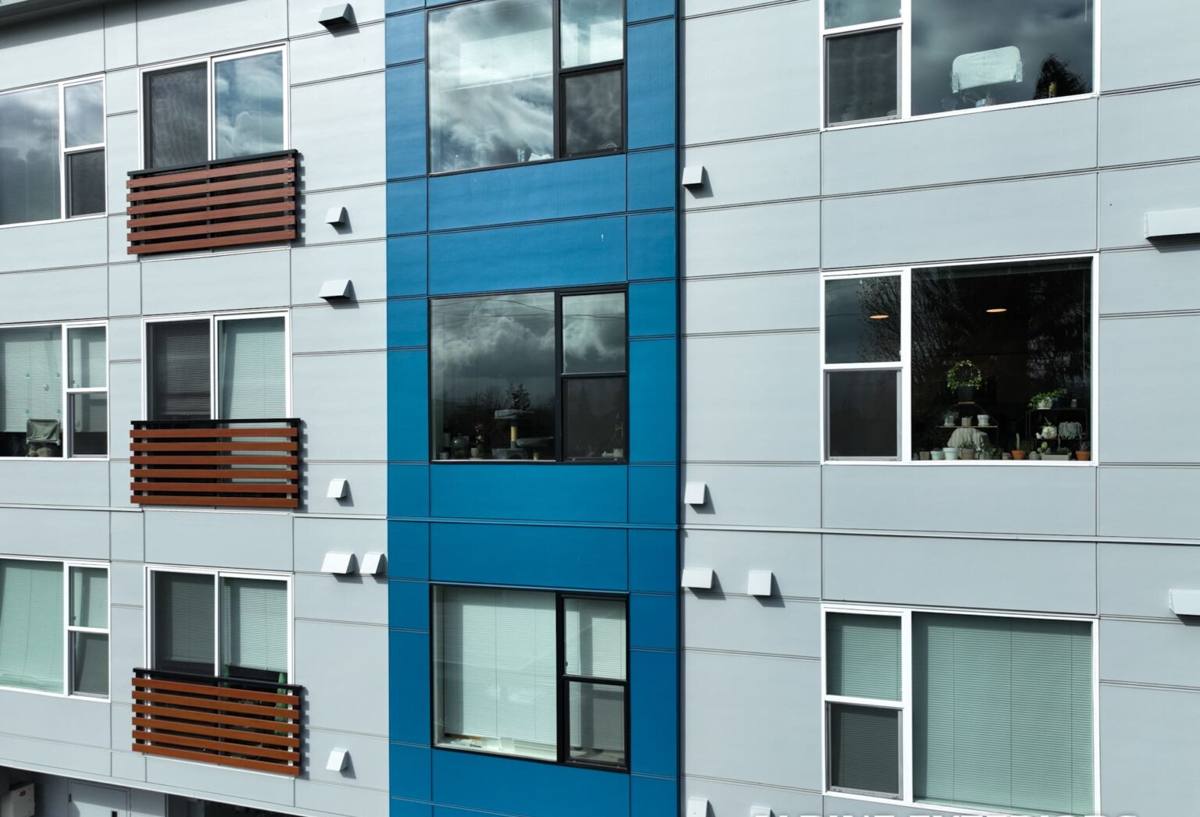
"New-construction windows" refers to windows installed with a nailing fin into a rough opening that's open to the framing — not slipped into an existing window frame. You'll see this type of installation on additions, full teardown-rebuilds, garage conversions, and any project in Old Northeast where the wall is opened down to the studs. It's a different scope than pocket replacement work, and it's done at a different stage of construction: before stucco, siding, or exterior trim goes on.
Because the opening is fully exposed, this is also the point where a window installation is either done right for the next several decades or set up for a slow leak that nobody notices until there's damage inside the wall. There's no old frame to hide problems behind. Flashing, sealants, and fastening all have to be correct the first time.
What Old Northeast Asks of a Window System
Old Northeast sits close enough to Tampa Bay that its homes deal with the same coastal stresses as the rest of St. Petersburg and Pinellas County, just filtered through a neighborhood of mature tree canopy and older lot lines. A few things matter more here than in a typical suburban build:
- Hurricane-force wind: Every window on a new opening needs a wind load rating that matches its exposure on the house, not a generic "hurricane window" label.
- Intense, year-round UV: Florida sun degrades vinyl, sealants, and low-E coatings faster than in most of the country, so frame material and glass package both matter.
- Wind-driven rain: Storms here don't just blow — they push rain sideways into any gap in the flashing or sill detail.
- Salt air: Being close to the bay means metal fasteners, hardware, and frame components corrode faster if they aren't rated for a coastal environment.
None of these are unique to Old Northeast, but the combination of older lots, established trees, and a mix of historic-era homes and newer infill means the right window spec can vary block to block.
Wind Load and Code Requirements in Pinellas County
Pinellas County falls within Florida's Wind-Borne Debris Region, which means new window openings generally need to be either impact-rated or paired with an approved protective covering, sized to the design pressure (DP) the wall assembly requires at that location on the house. That requirement gets checked at permitting, and it's tied to the Florida Building Code, not a one-size-fits-all standard.
In practice, this means the same-looking window can carry a different rating depending on where it sits on the elevation, how tall the wall is, and how exposed that corner of the house is to prevailing wind. A correct new-construction job starts with that engineering, not with picking a window off a showroom floor.
| Factor | Why It Changes the Window Spec |
|---|---|
| Wall height and story | Higher walls and upper floors typically see greater wind pressure |
| Corner vs. mid-wall placement | Corner openings usually require a higher DP rating |
| Roof and eave geometry | Affects local pressure zones the code accounts for |
| Tree canopy and adjacent structures | Can change effective exposure category on a case-by-case basis |
| Impact glass vs. protective covering | Impact glass meets the requirement on its own; unprotected glass needs code-approved shutters or panels |
Working With Old Northeast's Older Housing Stock
A lot of Old Northeast's homes date to an era of narrower window profiles, divided-lite patterns, and details that give the streetscape its character. When a new-construction window goes into an addition on one of these homes, matching sightlines, trim proportions, and grille patterns to the rest of the house is as much a part of "getting it right" as the wind rating is. Some Old Northeast streets and properties may also fall under local historic district or architectural review guidelines — if that applies to your address, window style and even glass appearance can be part of what gets reviewed before permitting. We'd rather flag that possibility early than have a homeowner find out after the windows are ordered.
For newer infill construction going up on an Old Northeast lot, there's more flexibility, but it's still worth choosing a frame profile and finish that won't look out of place next to a block of century-old bungalows and Mediterranean Revival homes.
What a Correct Installation Actually Involves
The window unit itself is only part of the job. Most leaks and failures trace back to the details around the window, not the window. A rough opening on a new build or addition should be treated in this order:
- Rough opening checked for square, level, and correct dimensions before the window ever arrives on site
- Sill pan flashing installed to direct any water that gets past the window back outside the wall
- Window set with the nailing fin fastened per the manufacturer's approved pattern — not a generalized "every few inches" guess
- Flashing tape or housewrap integrated over the fin in the correct shingle-lap order (sides before top, bottom first) so water sheds down and out
- Sealant applied at the specified joints only — over-sealing can trap water instead of releasing it
- Interior and exterior trim set without compressing or racking the frame
Skipping or reordering any of those steps is how a brand-new window ends up with a stucco crack or a soft spot in the drywall two years later.
A Quick Checklist for Homeowners Reviewing a Bid
- Does the quote specify the design pressure (DP) rating for each opening, not just "hurricane-rated"?
- Is a Florida product approval number listed for the window model being installed?
- Does the scope include sill pan flashing, or just "install and caulk"?
- Is fastener and hardware material specified as suitable for a coastal environment?
- Will the contractor pull the permit, or is that left to the homeowner or builder?
Frame and Glass Options: Cost and Trade-Off Factors
Frame material affects upfront cost, appearance, and how the window holds up to Florida sun and salt air over time. There's no single "best" answer — the right choice depends on the home and the budget.
| Frame Material | Typical Strengths | Trade-Offs in This Climate |
|---|---|---|
| Vinyl | Lower cost, low maintenance, good energy performance | Can expand/contract more with heat; darker colors absorb more UV over time |
| Aluminum | Strong, slim sightlines, holds up structurally | Conducts heat unless thermally broken; needs a coastal-grade finish to resist salt corrosion |
| Fiberglass | Dimensionally stable, strong, low expansion in heat | Higher upfront cost than vinyl |
| Wood-clad | Traditional appearance that suits historic-era homes | More maintenance-sensitive; cladding and seals matter more near salt air |
For Old Northeast in particular, homeowners matching an older home's look often lean toward fiberglass or wood-clad for the exterior appearance, while new infill construction has more room to choose based on budget and performance alone.
How We Approach a New-Construction Window Job
The process starts with the actual construction documents or as-built openings, not a generic catalog. We review the wall elevations, confirm the wind pressure requirements for each opening's location on the house, and select window products with Florida product approval that meet or exceed those numbers. From there:
- We coordinate rough opening dimensions with the builder or framer before windows are ordered, so nothing gets forced into an opening that's slightly off.
- We handle flashing and sill pan installation as part of the window scope, not as an assumed "someone else will do that" step.
- We install to the manufacturer's fastening schedule, which is what keeps the product approval — and the warranty — valid.
- We coordinate with the permitting and inspection process rather than leaving the homeowner or builder to track it down.
Why a Crew That Already Works This Neighborhood Matters
Old Northeast has its own rhythm: narrower lots, mature trees that affect access and staging, a mix of historic-era homes and newer builds, and in some cases a local review process tied to the neighborhood's character. A crew that's already worked here knows to ask about historic district status before ordering windows, knows how tree canopy and lot access affect scheduling equipment, and has already dealt with Pinellas County's permitting office on similar scopes. That familiarity shows up as fewer surprises mid-project — not a marketing point, just what repeat local work teaches a crew.
After Installation: What Keeps These Windows Performing
New-construction windows don't need much, but a little attention extends their life in this climate. Rinse accumulated salt and grit off frames and tracks periodically, especially on sides of the house facing open exposure. Check exterior sealant joints once a year for cracking or separation — caught early, a resealed joint is a small job; ignored, it can let wind-driven rain into the wall. Keep an eye on weep holes at the sill so they don't get painted or caulked shut, since those are there to let any incidental water back out.
If you're planning an addition, rebuild, or new construction in Old Northeast and want a window scope that's specified correctly from the start, we're happy to walk the plans with you and put together a free, no-pressure estimate.