 St. Petersburg Roofing
 New-Construction Windows in Seminole: Getting It Right the First Time
New-construction window installation is a different job from swapping out an old window in an existing wall. In new construction, the window goes in before the exterior finish is closed up, which means the flashing, the water-resistive barrier, and the window itself all have to work together as one waterproofing system from day one. In Seminole, where homes sit close to the Gulf and take on hurricane-force wind, wind-driven rain, and near-constant salt air, getting that sequence right at the framing stage matters more than almost anywhere else in the country. Get it wrong, and the problems don't show up until years later as rot, mold, or a failed inspection.
We install new-construction windows for builders, remodelers, and homeowners doing additions or full rebuilds around St. Petersburg and Seminole. This page covers what that job actually involves, what your home needs given our local climate, and why it pays to hire a crew that already works this specific area.
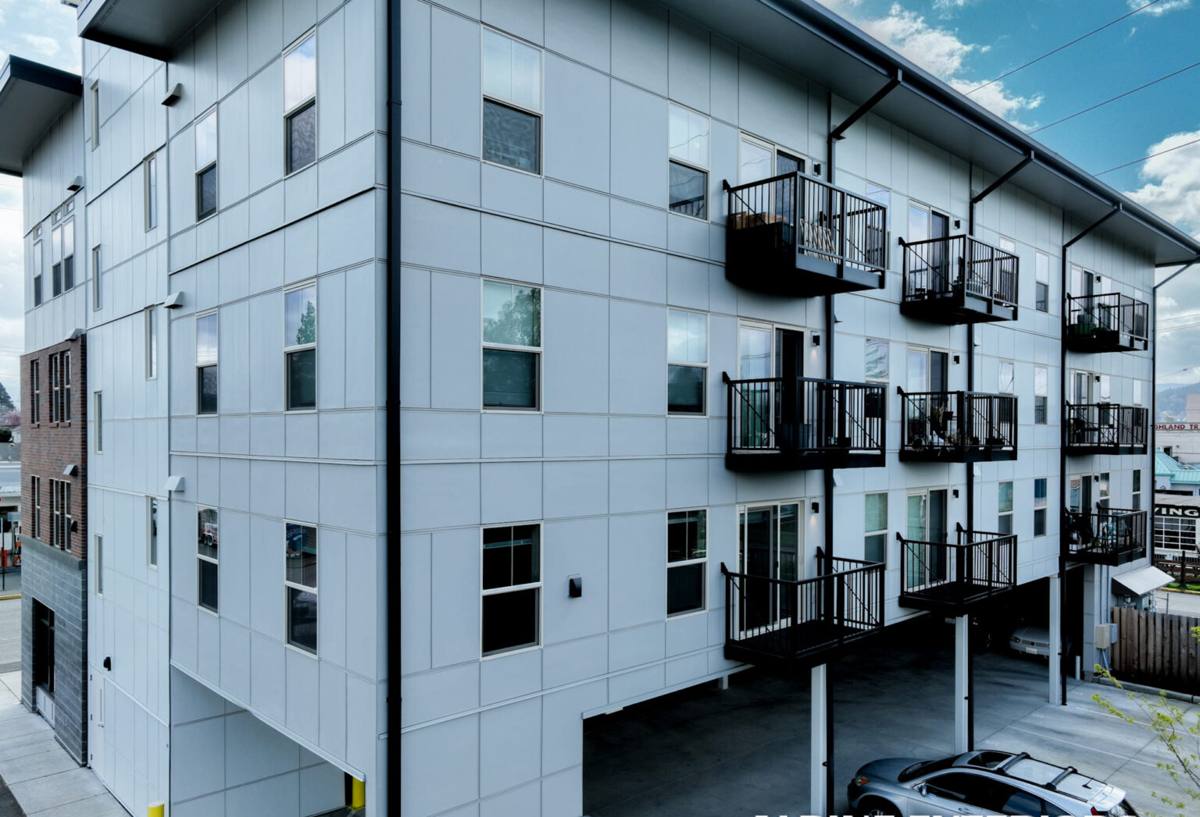
New-Construction vs. Replacement: Why the Distinction Matters
These two jobs use different windows and different methods, and mixing them up leads to leaks.
- New-construction windows have a nailing flange (fin) around the perimeter of the frame. That flange gets integrated into the wall's weather-resistive barrier and flashing before stucco, siding, or brick veneer goes on. This is the correct approach for new builds, additions, and any opening where the wall is open to the studs.
- Replacement (insert) windows have no nailing flange and are designed to fit inside an existing, finished opening without disturbing the surrounding wall or siding.
Installing a replacement-style window in a new-construction opening (or vice versa) skips steps the manufacturer's warranty and the Florida Building Code both assume are in place. If you're building new or opening up a wall for an addition, new-construction windows with a proper flanged installation are what the assembly is designed for.
What Seminole's Climate Demands from a Window Installation
Wind Load and Windborne Debris
Seminole sits in Pinellas County's coastal wind zone, which means windows and doors here are designed and rated for higher wind pressures than you'd see inland. In much of this area, openings also need to meet windborne-debris protection requirements — either impact-rated glazing or approved shutter protection — as part of code compliance. The window's design pressure rating and its anchoring into the framing both have to match what the wall is engineered to resist; an underrated window is a weak point in an otherwise sound wall.
Wind-Driven Rain
During a tropical system, rain doesn't fall straight down here — it gets driven sideways into the wall. A window that's watertight in a normal rain can still leak under wind-driven rain if the flashing and sill pan weren't built to shed water outward and downward no matter which direction it's coming from.
UV Exposure
Florida sun is intense and consistent nearly year-round. Vinyl frames, gaskets, and sealants all degrade under UV over time; the difference between a builder-grade product and one rated for high-UV climates shows up as chalking, brittleness, and seal failure a decade sooner than it should.
Salt Air
Proximity to the Gulf means airborne salt settles on and around window components. Hardware, fasteners, and certain metal frame finishes corrode faster here than in inland Florida, which is a real factor in choosing frame material and hardware grade for a Seminole home.
What a Correct Installation Actually Involves
A proper new-construction window install is a sequence, not a single step, and skipping or reordering any part of it undermines the whole system.
- Rough opening check — verify the opening is square, plumb, and correctly sized before the window ever shows up on site.
- Sill pan flashing — a sloped, sealed pan at the bottom of the opening so any water that gets past the window drains back outside instead of into the wall.
- Weather-resistive barrier integration — the house wrap or building paper is lapped and sealed with the window flashing in the correct shingle-style order (bottom to top, sides before top) so water always sheds outward.
- Setting the window — shimmed level and plumb, fastened per the manufacturer's and Florida Building Code's schedule for our wind zone.
- Flange sealing and flashing tape — the nailing fin is sealed to the WRB on all four sides, with the head flashing lapped last so it sheds over the sides.
- Interior and exterior sealant — a backer rod and sealant joint at the interior, and compatible exterior sealant where the frame meets the finish material, without blocking the weep path.
- Final inspection — checked against the plans and code before the exterior finish covers the work up for good.
That last point matters: once stucco or siding goes on, the flashing details are hidden for the life of the building. There's no fixing a bad detail without tearing into finished exterior work, so this is a job where it has to be right the first time, not caught later.
Frame Materials for Seminole's Climate
| Frame Material | Salt Air / Corrosion | Maintenance | Typical Cost |
|---|---|---|---|
| Vinyl | Good — won't corrode, but UV can degrade over many years | Low | Lower |
| Aluminum | Needs a quality marine-grade finish near the coast or corrosion risk rises | Moderate | Mid |
| Fiberglass | Very good — dimensionally stable, resists salt and UV well | Low | Higher |
| Wood-clad | Vulnerable unless cladding and seals are maintained | High | Higher |
We don't push a single "best" frame material on every job — the right choice depends on the home's exposure, the builder's specification, and budget. What we do insist on is a product with a documented wind-pressure and impact rating that's appropriate for a Seminole opening, and hardware and fasteners rated to hold up in salt air. We'll walk through the honest trade-offs for your specific project rather than defaulting to whatever's cheapest to install.
Our Process
1. Plans and Product Review
For new builds and additions, we review the architectural plans or work directly with your builder to confirm window sizes, wind-pressure ratings, and impact requirements match what the opening and the county's permitting process require.
2. Product Selection
We go over frame material, glass package, and hardware options against your budget and the realities of a coastal Pinellas County exposure — not a one-size-fits-all recommendation.
3. Coordination with Your Build Schedule
New-construction window installation has to land at the right point in the build — after framing and WRB are ready, before exterior finishes close in. We coordinate timing with your general contractor or builder so the job doesn't hold up the schedule or get rushed.
4. Installation
Our crew follows the full flashing and sealing sequence described above, on every opening, every time — not just on the ones someone happens to be watching.
5. Walkthrough and Documentation
Before the exterior finish covers the work, we walk the openings so you or your builder can see the flashing details firsthand, and we keep records of what was installed where for warranty purposes.
Why a Local Seminole Crew Matters
A window installer who mostly works inland central Florida jobs isn't necessarily thinking about salt-air hardware corrosion or wind-driven rain flashing details by habit — it's not what they run into every week. A crew that regularly works Seminole and the surrounding St. Petersburg area already knows the local wind zone requirements, has relationships with the Pinellas County permitting process, and treats coastal-grade flashing and fastening as the default, not an upsell. That familiarity shows up in fewer callbacks and fewer surprises during inspection.
Questions Worth Asking Before You Hire
- Is the installer using new-construction (flanged) windows correctly integrated with the wall's weather-resistive barrier, not a replacement-style product?
- Do the windows carry a wind-pressure and, where required, impact rating appropriate for a Pinellas County coastal opening?
- Will the crew show you the sill pan and flashing details before the exterior finish is installed over them?
- What hardware and fastener grade are they using, given salt-air exposure?
- Are they coordinating installation timing with your builder's framing and dry-in schedule?
- What's covered under the manufacturer's warranty versus the installer's workmanship warranty?
Maintenance After Installation
A correctly installed new-construction window in Seminole still benefits from periodic attention: rinse salt residue off frames and hardware, check exterior sealant joints yearly for cracking or separation, and keep an eye on weep holes to make sure they're clear of debris. None of this is heavy maintenance, but skipping it lets small issues turn into water intrusion over time — especially given how much sun and salt this area sees year-round.
Get a Free, No-Pressure Estimate
If you're building new, adding on, or working through window selection with your builder in Seminole, we're happy to walk through the plans, the product options, and the timeline with you. Use the form below to request a free estimate — no pressure, just a straight answer on what your project needs.