 St. Petersburg Roofing
 New Roof Installation Built for Roser Park's Older Homes
Roser Park is one of St. Petersburg's older, established neighborhoods, and that history shows up on the roofline. Many homes here were built decades before today's wind and building codes existed, which means the roof deck, framing, and attic ventilation underneath the shingles often don't match what a modern installation requires. A new roof installation in Roser Park isn't just a strip-and-reshingle job — it's an opportunity to bring an aging structure up to current standards while respecting the character of the home.
We install new roofs across St. Petersburg and Pinellas County, and Roser Park's mix of vintage bungalows, mid-century additions, and the occasional newer infill build means every job here starts with a real assessment, not a one-size-fits-all quote.
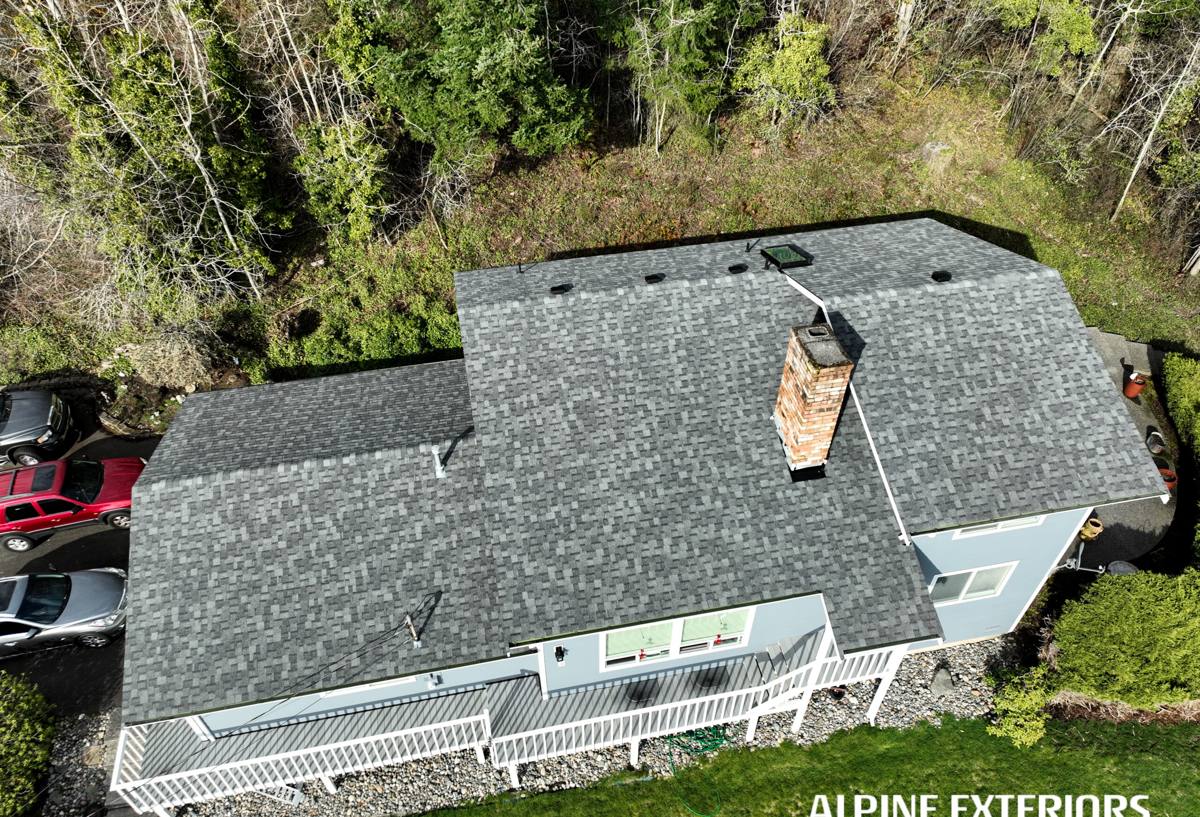
What Pinellas County's Climate Does to a Roof Over Time
Roofs in this part of Florida work harder than roofs almost anywhere else in the country, and Roser Park is no exception.
- Hurricane-force winds put direct uplift pressure on shingles, ridge caps, and roof edges — the areas most likely to fail first if fasteners, underlayment, or flashing were installed to minimum standards rather than best practice.
- Intense year-round UV breaks down asphalt shingle oils and accelerates the aging of any roofing material, shortening the effective lifespan of a roof compared to the same product installed in a cooler, cloudier climate.
- Wind-driven rain doesn't just fall straight down — it gets pushed sideways and upward under shingle tabs and around penetrations, which is why underlayment quality and flashing detail matter more here than in drier regions.
- Salt air, even several miles inland from Tampa Bay, gradually corrodes exposed metal fasteners, flashing, and vent components if they aren't rated for coastal exposure.
None of these factors are unique to Roser Park, but combined with the neighborhood's older housing stock — original roof decks, aging attic ventilation, and in some cases prior repairs that were never brought up to code — the margin for error on a new installation is smaller than it looks.
What a Correct New Roof Installation Actually Involves
A roof is a system, not a single product. The shingles, tiles, or metal panels get the attention, but the parts underneath and around them are what actually keep water out during a Florida storm.
The roof deck
On older Roser Park homes, we check the plywood or plank decking for soft spots, delamination, and nail pull-through before anything new goes down. Installing a new roof over a compromised deck is one of the most common causes of early failure, and it's not something you can see once the new material is on.
Underlayment
This is the roof's real waterproofing layer. In a wind-driven-rain climate, we treat underlayment selection and installation — proper overlap, sealed seams, and full coverage — as a non-negotiable step, not an afterthought.
Flashing
Chimneys, walls, valleys, and roof-to-wall transitions are where leaks almost always start. Correct flashing means properly formed and sealed metal at every one of these transitions, not caulk covering a shortcut.
Ventilation
Older homes in this neighborhood frequently have inadequate attic ventilation by today's standards. Poor airflow traps heat and moisture, which shortens shingle life from underneath and can contribute to wood rot in the deck and framing over time.
Fastening
Nail pattern and fastener type directly affect wind resistance. We follow manufacturer specifications and current Florida Building Code requirements for fastening schedules — this is one of the most inspected items on a wind mitigation report and one of the easiest things for a rushed crew to get wrong.
Choosing the Right Roofing System for Roser Park Homes
There's no single "best" roofing material — the right choice depends on the home's structure, your budget, and how long you plan to own the property. Here's how the common options compare for a St. Petersburg installation.
| Material | Typical Lifespan Here | Wind Performance | Maintenance Considerations |
|---|---|---|---|
| Architectural asphalt shingle | 15–25 years | Good, when installed with proper fastening and rated for high wind | UV wear over time; periodic inspection after major storms |
| Standing seam metal | 30–50 years | Excellent uplift resistance when properly installed | Higher upfront cost; fastener and sealant checks over time |
| Concrete or clay tile | 30–50 years | Strong if tiles and underlayment are installed and maintained correctly | Individual tiles can crack from impact or foot traffic; underlayment beneath tile still ages and needs eventual replacement |
On older Roser Park homes, roof structure sometimes limits material choice — a heavier tile roof may require framing reinforcement that a lighter asphalt or metal system doesn't. We'll tell you honestly if a material you're interested in isn't a good fit for your home's existing structure rather than selling you something that creates problems later.
Our Installation Process, Start to Finish
- On-site inspection. We assess the existing roof, deck condition, ventilation, and any storm damage or code issues before quoting anything.
- Written estimate. A clear scope of work and pricing, with material options explained in plain terms.
- Permitting. We pull the required City of St. Petersburg or Pinellas County permits before work begins — this isn't optional, and it protects you if there's ever an insurance question later.
- Tear-off and deck inspection. Old material comes off completely so the deck can be inspected and repaired where needed, not covered over.
- Underlayment and flashing installation. The waterproofing layer goes down first, with all penetrations, valleys, and transitions properly flashed.
- Roofing material installation. Shingles, tile, or metal installed to manufacturer specification and current wind-rated fastening requirements.
- Ventilation check and correction. We address inadequate attic airflow as part of the job when it affects the new roof's performance.
- Final inspection and cleanup. Municipal inspection where required, plus a full site cleanup including magnetic nail sweep.
Permits, Wind Mitigation, and Insurance in Pinellas County
A new roof installed to current Florida Building Code requirements can qualify your home for wind mitigation credits on your homeowners insurance — this can meaningfully lower your premium, especially in coastal Pinellas County where insurance costs are a real concern for homeowners. We provide the documentation you need to submit a wind mitigation inspection after installation, and we make sure permits are closed out properly so there are no surprises if you sell the home or file a claim later.
This matters more in Roser Park than in newer subdivisions: because many homes predate current codes, a properly permitted and documented new roof is often the single biggest insurance-cost improvement a homeowner here can make.
Signs Your Roser Park Home Needs a New Roof
Not every roof problem means a full replacement, but these are the signs worth taking seriously, especially on an older home:
- Shingles that are curling, cracking, or losing significant granule coverage
- Visible sagging anywhere along the roofline
- Daylight visible through the attic roof boards
- Water stains on interior ceilings or in the attic after rain
- Missing or lifted shingles after a windstorm
- A roof that's approaching or past its expected lifespan for its material
- Multiple past repairs in different areas rather than one isolated fix
- Difficulty getting affordable insurance coverage due to roof age
Cost Factors for New Roof Installation
Every roof is priced based on the specifics of the home, but these are the main factors that move the number:
| Factor | Why It Matters |
|---|---|
| Roof size and complexity | More valleys, dormers, and roof planes mean more labor and material for flashing and waste |
| Material choice | Asphalt, metal, and tile carry very different material and installation costs |
| Deck condition | Rotted or damaged decking found during tear-off requires repair before new material goes down |
| Ventilation upgrades | Bringing older attic ventilation up to standard adds scope but improves long-term performance |
| Permit and code requirements | Older homes sometimes need additional work to meet current wind-resistance standards |
We give you a written estimate that breaks these factors down so you know exactly what you're paying for, not just a lump-sum number.
Why a Crew That Already Works Roser Park Matters
A roofing crew that regularly works in this neighborhood already understands the housing stock — the era of construction, the common deck and framing conditions, and the permitting process with the local jurisdiction. That familiarity translates into a more accurate estimate up front and fewer surprises once tear-off begins. It also means we're not learning on your roof how St. Petersburg's coastal climate, salt exposure, and storm patterns affect installation choices — we already build for it every day.
If your roof is showing its age or you're planning ahead of the next storm season, we're happy to take a look. Fill out the form below for a free, no-pressure estimate on your Roser Park home.