 St. Petersburg Roofing
 Windows Built for Old Northeast's Older Homes
Old Northeast is one of St. Petersburg's older residential neighborhoods, and that shows in the housing stock: a mix of early-to-mid-20th-century bungalows, Mediterranean Revival homes, colonials, and later infill construction, many with original or long-outdated window openings. When we talk about "custom windows" for this neighborhood, we don't mean a catalog size squeezed into a rough opening. We mean windows measured and built to fit openings that were framed decades before modern manufacturing tolerances existed, in a climate that has only gotten harder on building materials since then.
Pinellas County sits on a peninsula, and St. Petersburg homes take the brunt of that exposure: hurricane-force wind events, wind-driven rain that finds every gap in a poorly sealed frame, relentless UV that breaks down cheap vinyl and weatherstripping years ahead of schedule, and salt-laden air that accelerates corrosion on hardware and fasteners. A window that works fine in a drier, cooler climate can fail here in a fraction of the time. Custom-fit, correctly installed windows are one of the more meaningful upgrades an Old Northeast homeowner can make, both for comfort and for protecting the house itself.
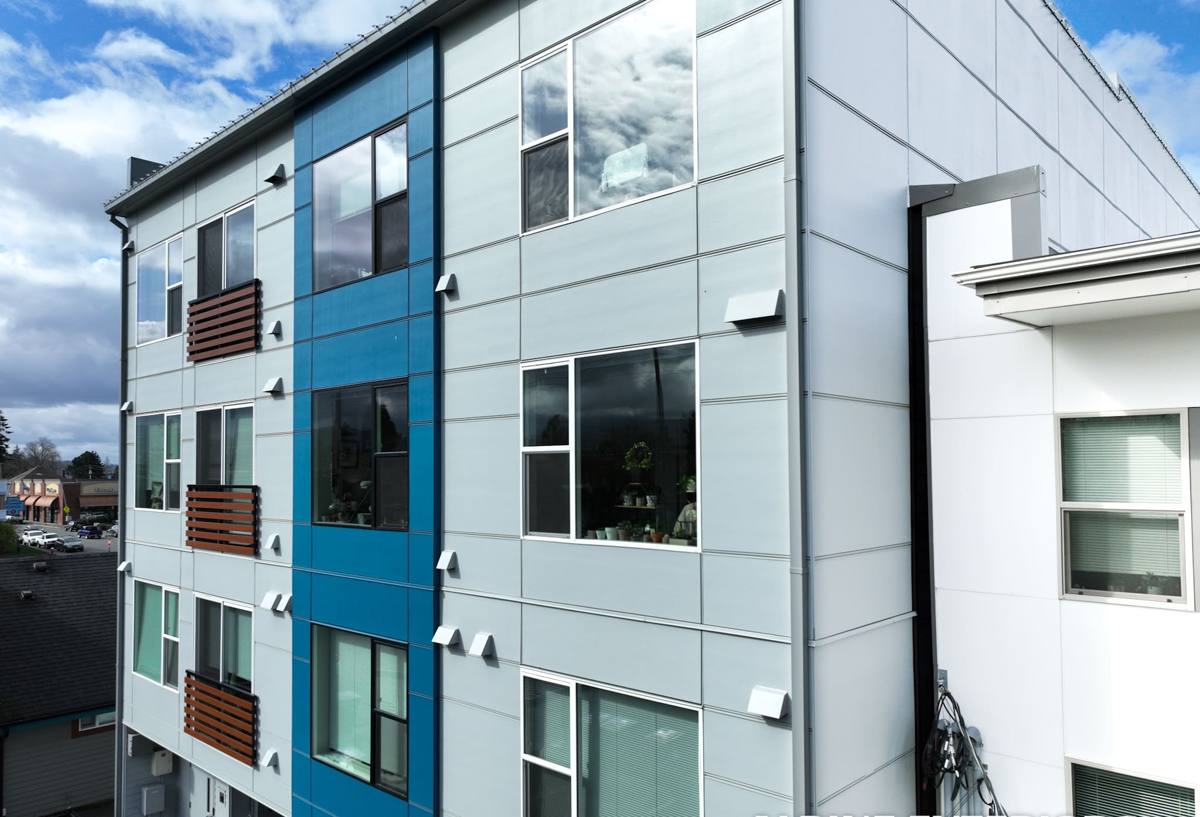
What Old Northeast Homes Actually Need From Their Windows
Fit Before Features
Before we talk about glass packages or frame materials, the first thing that has to be right is fit. Many Old Northeast homes have settled slightly over the decades, so openings are rarely perfectly square anymore. A standard off-the-shelf window forced into an out-of-square opening gets shimmed unevenly, sealed with extra caulk to hide the gaps, and ends up with weak points exactly where wind-driven rain will find them first. Custom windows are measured to the actual as-built opening, not a nominal size, which means the frame sits correctly and the seal around it can actually do its job.
Wind and Water Resistance
St. Petersburg is in a wind-borne debris region for building code purposes, and homes here need windows rated to handle both sustained wind pressure and impact from flying debris during tropical storms and hurricanes. This isn't a marketing point — it's a structural one. A window that isn't rated correctly for its exposure can fail at the frame or the glass under storm pressure, which is how storms turn a broken window into a roof or interior loss.
UV and Heat Performance
Florida sun is hard on everything it touches, including window components most people never think about — vinyl frames, spacer bars between glass panes, and weatherstripping. Cheap materials chalk, yellow, or go brittle years before a well-specified window would. Good glass coatings also matter here more than in most parts of the country, because they cut down on the solar heat gain that drives up cooling costs through a Florida summer.
Salt Air and Corrosion
Being close to Tampa Bay and the Gulf means airborne salt is a constant, low-level factor working on any exposed metal — hinges, locks, cranks, and fasteners. Hardware that isn't specified for coastal exposure corrodes faster, which eventually affects how well a window locks and seals, not just how it looks.
Common Window Problems We See in Old Northeast
- Original or early-replacement windows with warped wood frames or failed seals letting in drafts and moisture
- Aluminum frames from past renovations that have pitted or corroded from salt exposure
- Single-pane glass doing almost nothing to block summer heat gain or storm noise
- Caulk-heavy past repairs masking gaps instead of a proper mechanical seal
- Window openings that are no longer square due to decades of house settling
- Hardware that's stiff, corroded, or no longer locks securely
- Fogged or clouded double-pane glass from a failed seal letting moisture between the panes
What a Correct Custom Window Job Involves
Replacing windows in an older home is a different job than installing them in new construction, and skipping steps is exactly how homeowners end up with leaks or drafts a year or two later. Here's what should happen, in order:
- Precise field measurement. Every opening gets measured individually — width, height, and diagonal corner-to-corner checks to catch square. Old Northeast homes rarely have two identical openings, even on the same wall.
- Inspection of the opening itself. Before any new window goes in, we check the surrounding framing and sill for rot, moisture damage, or prior water intrusion. Installing a new window over a compromised opening just hides the real problem.
- Correct product selection for exposure. Wind rating, impact rating, and glass package are matched to the home's exposure — a window on an open west-facing wall has different demands than one tucked under a deep porch overhang.
- Removal and prep. Old windows come out cleanly, and the opening is prepped — flashed and sealed properly — before the new unit ever goes in.
- Installation to manufacturer and code specification. Fasteners, shimming, and sealant all follow the product's actual installation instructions, not a generic approach used on every job regardless of brand.
- Weatherproofing and sealing. This is where wind-driven rain either gets stopped or gets in. Proper flashing and sealant application here matters as much as the window itself.
- Final function and seal check. Every window is opened, closed, locked, and checked for a tight, even seal before we consider the job done.
Frame Material Comparison for Coastal Pinellas Conditions
| Material | Salt Air / Corrosion | UV Durability | Maintenance | Notes |
|---|---|---|---|---|
| Vinyl (quality-grade) | Not corrosion-prone | Good with UV-stabilized formulations | Low | Common choice for coastal Florida; performance varies significantly by manufacturer grade |
| Aluminum | Can pit/corrode without proper coating | Good | Moderate | Strong but needs coastal-rated finish; older uncoated aluminum is a common failure point we see |
| Wood (unclad) | N/A (moisture is the bigger risk) | Poor without paint/finish upkeep | High | Beautiful for period-appropriate homes but demands ongoing maintenance in this humidity |
| Wood-clad / composite | Good if cladding is intact | Good | Low to moderate | Often the best balance for older-home character with lower upkeep |
| Fiberglass | Not corrosion-prone | Very good | Low | Strong dimensional stability in heat swings; typically a higher upfront cost |
Cost Factors Homeowners Should Understand
We won't quote made-up numbers here, because every Old Northeast job is genuinely different — but the real cost drivers are consistent. Understanding them helps you get an honest, comparable estimate:
| Factor | Why It Matters |
|---|---|
| Number and size of openings | More and larger windows means more material and labor |
| Frame material | Vinyl, aluminum, wood-clad, and fiberglass all carry different price points |
| Impact and wind rating | Higher-rated glass and frames for storm exposure cost more but reduce risk |
| Custom vs. standard sizing | Non-standard openings from an older home require true custom fabrication |
| Extent of opening repair needed | Rot or prior water damage found during removal adds scope |
| Historic or architectural detail | Matching period trim or muntin patterns takes extra fabrication time |
Why Local Experience in Old Northeast Matters
A crew that regularly works in Old Northeast has already dealt with the quirks common to this neighborhood's housing stock — settled framing, older stucco and siding transitions around window openings, and the mix of architectural styles that means no two houses get the exact same approach. That familiarity shows up in fewer surprises during removal, faster accurate measurement, and installation details that respect the character of an older home instead of forcing a generic modern look onto it.
It also matters for storm readiness. St. Petersburg and Pinellas County homeowners live with hurricane season every year, and a contractor who understands local wind exposure requirements and installs accordingly is doing more than swapping glass — they're reducing a real point of vulnerability in the house.
Maintenance That Extends the Life of Your Investment
Even a correctly installed, well-specified window benefits from basic upkeep in this climate. A short annual routine goes a long way:
- Rinse frames and tracks periodically to clear salt residue, especially on homes closer to the water
- Inspect exterior caulk and sealant lines each year, particularly after hurricane season, and re-seal any cracked or separated joints
- Lubricate locks and hardware to prevent stiffness from corrosion
- Check weep holes (the small drainage openings at the bottom of the frame) to make sure they aren't blocked by debris
- Watch for condensation between panes, which signals a failed seal rather than a cleaning issue
Signs It's Time to Replace, Not Repair
Not every window issue means full replacement, but certain signs point that direction: persistent drafts even after re-caulking, visible frame rot or corrosion, glass that's fogged between panes, windows that are difficult to open, close, or lock, and any history of water intrusion around the frame during storms. If you're seeing more than one of these on a home in Old Northeast, it's worth having someone take a real look rather than continuing to patch around the problem.
If you're weighing window replacement for a home in Old Northeast, we're happy to come take a look, walk the openings with you, and put together a straightforward, no-pressure estimate — just fill out the form below to get started.