 St. Petersburg Roofing
 Old Northeast Homes Face a Different Set of Window Problems
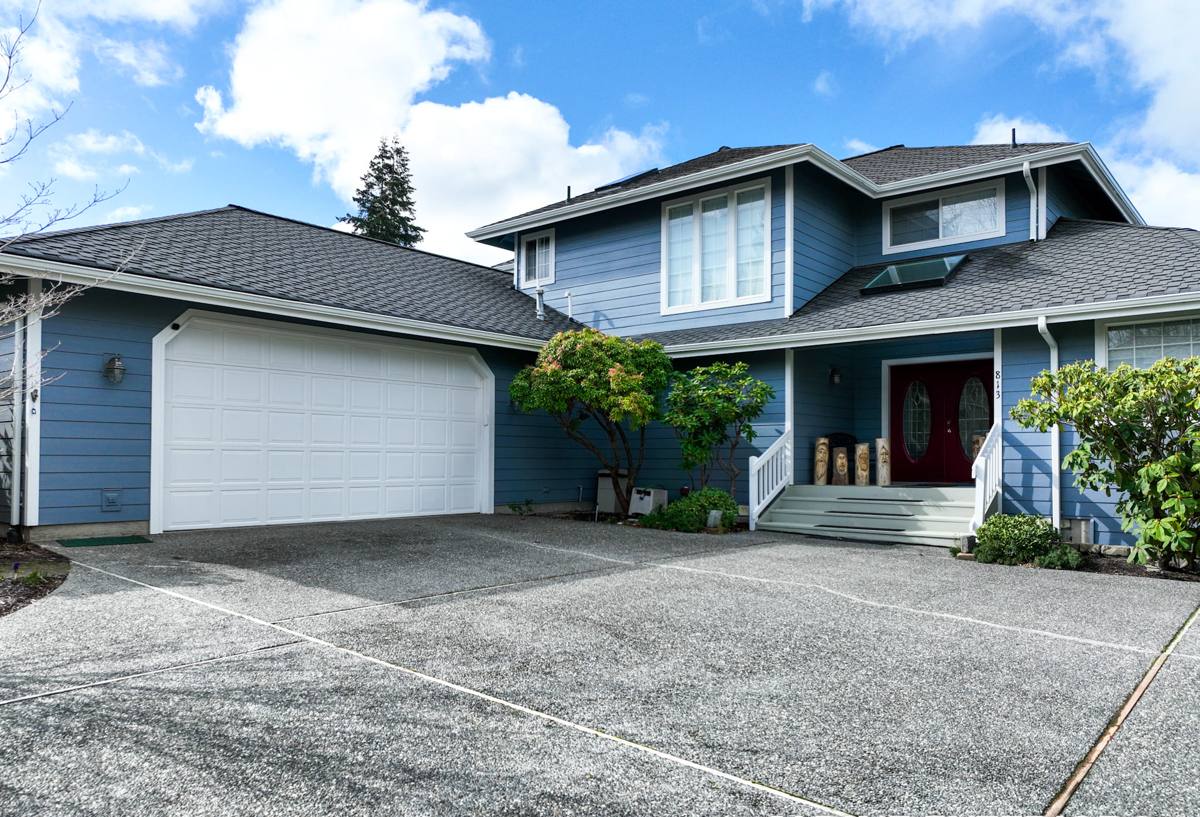
Old Northeast is one of St. Petersburg's older, established residential neighborhoods, and that history shows up in the windows. A lot of homes here still have original or early-replacement single-pane units, wood or early aluminum frames, and glazing that was never designed with today's utility costs or storm codes in mind. When we get called out to Old Northeast, the story is usually the same: rooms that never quite cool down in summer, window units that sweat and fog between panes, sashes that have swollen or warped, and energy bills that keep climbing even after other upgrades.
Windows are one of the biggest weak points in a home's building envelope. In Pinellas County, where the air conditioner runs most of the year, an inefficient window isn't just a comfort issue — it's a monthly cost that never goes away until the window itself is addressed.
Why the Local Climate Makes This a Different Job
St. Petersburg sits on a peninsula, and that location cuts both ways. It's part of what makes the area desirable, but it also means homes take a beating from conditions that inland properties never see. A few things specific to this area drive how we spec and install windows here:
- Hurricane-force winds: Even homes outside the highest-risk flood zones need windows that can handle sustained high winds and the pressure changes that come with them.
- Intense, year-round UV exposure: Florida sun degrades vinyl, seals, and glazing compounds faster than in most of the country, so lower-grade materials age out quickly.
- Wind-driven rain: Storms here don't just fall straight down — rain gets pushed sideways into wall assemblies, which means flashing and sealing details matter as much as the window unit itself.
- Salt air: Proximity to Tampa Bay and the Gulf means airborne salt accelerates corrosion on hardware, fasteners, and lower-quality metal components.
Any energy-efficient window installed in Old Northeast has to hold up to all four of those conditions at once, not just perform well on a lab efficiency rating.
What "Energy-Efficient" Actually Means for This Climate
Energy efficiency isn't one feature — it's a combination of glass, frame, and installation working together. For a Gulf Coast home, the priorities are a little different than they'd be for a house dealing with cold winters.
Glass and Coatings
Low-E (low-emissivity) coatings are the baseline. In St. Petersburg, we lean toward Low-E glass packages tuned to block solar heat gain, since the bigger cost driver here is keeping heat out, not keeping it in. Double-pane construction with an insulating gas fill (typically argon) between the panes is standard for anything we'd call "energy-efficient" — single-pane glass, no matter how well framed, isn't going to meaningfully cut a Florida cooling bill.
Frame Performance
The frame has to resist heat transfer and resist the elements at the same time. A frame that insulates well but degrades under UV and salt exposure within a few years isn't actually efficient long-term — it's a short-term fix with a second bill coming later.
Impact and Pressure Rating
In coastal Pinellas County, windows also need to meet Florida Building Code wind load and impact requirements for the area. An energy-efficient window that isn't also rated for local wind pressures is the wrong product for this address, regardless of how good its efficiency numbers look on paper.
Comparing Frame Materials for Old Northeast Homes
We get asked constantly which frame material is "best." The honest answer is that it depends on the home's age, style, and budget — but here's how the common options actually perform in this specific climate.
| Frame Material | Efficiency | Salt/UV Durability | Fit for Older Homes |
|---|---|---|---|
| Vinyl | Good insulator, low maintenance | Can degrade under prolonged direct UV; quality varies widely by manufacturer | Works well, but may look out of place on more traditional facades |
| Aluminum | Poor insulator unless thermally broken | Strong and storm-resistant, but prone to corrosion near salt air without proper coatings | Common in mid-century replacements; needs a thermal break to be efficient |
| Fiberglass | Excellent insulator, dimensionally stable | Very strong resistance to UV and moisture | Higher upfront cost, holds up longest with minimal upkeep |
| Wood-clad | Good insulator | Vulnerable to moisture and rot without diligent maintenance | Best for matching historic character, but higher maintenance burden in this humidity |
We don't push one material as universally "the best." We walk the specific window openings, talk about how the homeowner wants the house to look, and match the material to both the budget and the climate reality — not just whichever product has the flashiest marketing.
What a Correct Installation Actually Involves
The window unit itself is maybe half the job. The other half — the part that's invisible once it's done — is what actually determines whether the window performs for the next 15-20 years.
Opening Prep
Older Old Northeast homes often have openings that have shifted slightly over decades of settling, humidity swings, and prior repairs. We measure and inspect each opening individually rather than assuming uniform sizing, which matters more here than in newer construction with standardized framing.
Flashing and Water Management
Given how wind-driven rain behaves in this region, flashing has to direct water out and away from the wall assembly, not just seal the visible gap. A window that looks properly caulked from the outside can still leak into the wall cavity if the flashing sequence underneath was done wrong. This is where a lot of failed replacement jobs actually go wrong — not with the window product, but with what's behind it.
Sealing and Insulation
Low-expansion foam or proper backer rod and sealant around the frame closes the air gaps that undermine even a high-performance window. A perfect window with a poorly sealed perimeter will still leak conditioned air and let humidity into the wall.
Hardware Selection
Given salt air corrosion, we specify fasteners and hardware rated for coastal exposure rather than standard-grade components that look fine on installation day but corrode within a couple of storm seasons.
How Our Process Works
- On-site assessment: We inspect existing windows, framing condition, and any signs of past water intrusion before recommending anything.
- Measurement and product selection: Each opening is measured individually; we walk through frame material, glass package, and wind rating options based on the specific home.
- Written estimate: A clear scope and price before any work starts — no vague allowances.
- Installation: Removal of old units, opening prep, flashing, setting the new window, sealing, and hardware finishing.
- Final walkthrough: We check operation, seals, and cleanup with the homeowner before calling the job done.
Signs Your Current Windows Are Already Costing You
Homeowners often live with problems for years before realizing the windows are the cause. Watch for these:
- Fogging or moisture between panes on double-pane units (a sign the seal has failed)
- Rooms near windows that feel noticeably hotter than the rest of the house in the afternoon
- Visible warping, swelling, or paint failure on wood sashes
- Windows that are difficult to open, close, or lock properly
- Noticeable outside noise or drafts even when windows are shut
- Rising cooling costs without a clear cause elsewhere in the home
- Chalky residue or pitting on aluminum frames near the coast
None of these on their own means you need full replacement — but a few of them together usually mean the windows are past the point where sealing or minor repair will fix the underlying issue.
Permits and Code Considerations in Pinellas County
Window replacement in St. Petersburg typically requires a permit, and products need to meet the wind load and impact standards that apply to this part of Pinellas County under the Florida Building Code. This isn't optional paperwork — it protects the homeowner if there's ever an insurance claim after a storm, and it confirms the product installed actually matches what's rated for this address. We handle the permitting process as part of the job rather than leaving it for the homeowner to sort out separately.
Why Hiring a Crew That Already Works This Neighborhood Matters
Old Northeast has enough of its own quirks — older framing, mixed architectural styles, established landscaping close to the house, narrower lots in some sections — that experience in the specific neighborhood saves real time and avoids surprises. A crew that's already worked several homes here knows what to expect when an opening isn't quite square, understands the balance between efficiency upgrades and preserving a home's character, and isn't guessing at how local wind and moisture exposure should shape material choices. That familiarity translates into fewer change orders, fewer surprises mid-project, and a finished job that actually performs the way it's supposed to for a St. Petersburg address — not a generic install that happened to land in Florida.
If your windows are original, aging, or just not keeping up with the heat and storms this area sees, we're happy to take a look and give you a straight, no-pressure estimate. Fill out the form below and we'll set up a time to walk the property with you.