 St. Petersburg Roofing
 Old Northeast Homes Face a Different Kind of Wear
Old Northeast is one of St. Petersburg's older residential neighborhoods, with a mature oak canopy and a housing stock that skews toward homes built well before modern siding materials or Florida's current wind codes existed. That combination matters. A neighborhood with big trees means more organic debris, shade-driven moisture, and limbs coming down in storms. A neighborhood with older homes means the siding underneath whatever is on the wall today was likely never engineered for the wind and moisture loads this part of Pinellas County actually sees. Replacing siding here isn't just a cosmetic upgrade — it's a chance to correct decades of exposure that the original materials were never built to handle.
This page focuses on one job, in one neighborhood: siding replacement done right for an Old Northeast home. Not a generic overview of siding options, and not a sales pitch — a straight explanation of what this climate does to exterior walls, what a correct replacement looks like, and why the details matter more here than they would somewhere inland.
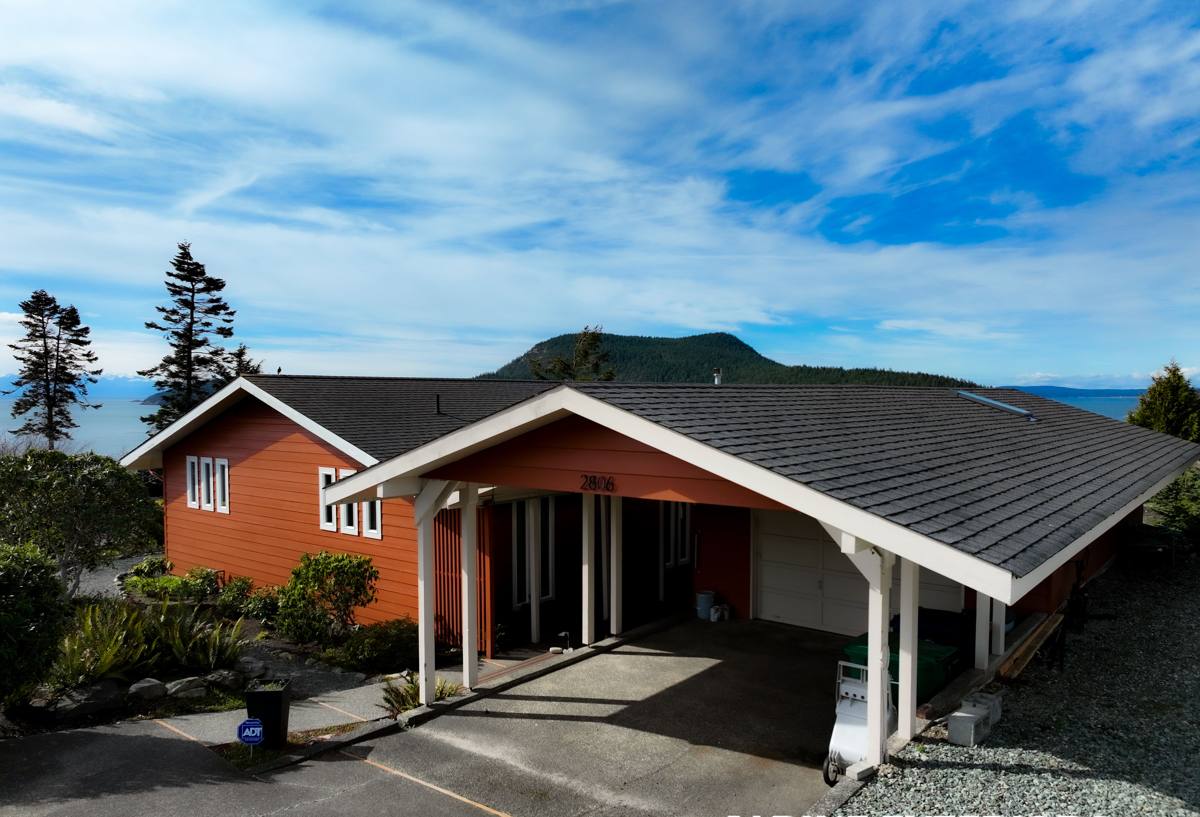
What St. Petersburg's Climate Actually Does to Siding
UV and Heat, Year-Round
Florida sun doesn't take a season off. Painted wood and lower-grade composite products chalk, fade, and lose adhesion faster here than almost anywhere else in the country, because there's no winter lull to slow the degradation down. A finish that's rated for "average" UV exposure gets tested at Gulf Coast intensity every single day.
Wind-Driven Rain and Hurricane Exposure
St. Petersburg sits on a peninsula, and Old Northeast is close enough to open water that wind-driven rain is a real design consideration, not a footnote. During a tropical system, rain doesn't fall straight down — it's pushed sideways into every seam, joint, and fastener line. Siding, flashing, and the water-resistive barrier behind it all have to work together, because any weak point becomes an entry point under enough wind pressure.
Salt Air and Humidity
Even set back from the immediate waterfront, homes in this part of St. Petersburg live in a persistently humid, salt-tinged air mass. That accelerates corrosion on fasteners and trim, and it keeps moisture cycling in and out of wall assemblies longer than it would in a drier climate. Materials and fastening hardware that aren't specified for coastal conditions age faster here — full stop.
What We Typically Find Underneath Older Siding in This Neighborhood
On homes of the age common in Old Northeast, a tear-off tends to turn up some combination of the following. Not every house has every issue, but these are the patterns that show up often enough that we plan for them before the first board comes off:
- Sheathing softened or delaminated from years of slow moisture intrusion behind old siding joints
- Multiple layers of paint or old siding material stacked instead of properly removed
- Missing or degraded weather-resistive barrier, or none at all behind the original siding
- Flashing at windows, doors, and roof-to-wall transitions that was undersized or installed without modern detailing
- Fasteners that have corroded from decades of salt-air exposure, leaving siding loosely held
None of this is unusual for a neighborhood this age — it's exactly why a proper tear-off and inspection matters more than a quick re-side over what's already there.
Why This Company Installs Only James Hardie Fiber Cement
We don't install vinyl, LP SmartSide, primed wood, or cedar. That's a deliberate standard, not a lack of options. Vinyl softens, warps, and can crack under sustained UV and heat, and it doesn't hold up well against wind-borne debris. Engineered wood products depend on a factory coating and careful field sealing to keep moisture out of the wood fiber core — a coastal, humid climate is an unforgiving place for any product where moisture management is the deciding factor in how long it lasts. Cedar and primed spruce require ongoing maintenance — painting, caulking, and moisture monitoring — that most homeowners don't want to sign up for indefinitely in a climate this hard on exterior wood.
James Hardie fiber cement is non-combustible, doesn't support rot, and holds its shape and finish under UV and moisture stress far better than the alternatives. Hardie's HZ5 product line is specifically engineered for high-humidity, hurricane-prone climates like ours, and the ColorPlus factory finish is baked on under controlled conditions rather than applied on-site — which means more consistent coverage and a longer color life than field-applied paint. It also carries a strong transferable warranty when installed to manufacturer specification, which matters on a product meant to last decades on a coastal home.
What a Correct Siding Replacement Actually Involves
Tear-Off and Inspection
Old siding comes off entirely — not overlaid. That's the only way to actually see the sheathing, framing, and any hidden moisture damage underneath. On an older Old Northeast home, this step is where problems get caught while they're still cheap to fix.
Sheathing Repair
Any soft, delaminated, or rotted sheathing gets cut out and replaced before new siding goes on. Installing new siding over compromised sheathing just hides a problem that will keep getting worse behind the new wall.
Moisture Barrier and Flashing
A continuous weather-resistive barrier goes on before the siding, with proper flashing at every window, door, and wall penetration. This is the layer that actually stops wind-driven rain from reaching the framing — the siding itself is the second line of defense, not the only one.
Fastening to Spec
Hardie siding has a specific fastening pattern and fastener type required to meet both the manufacturer's warranty terms and Florida Building Code wind-load requirements for coastal Pinellas County. Corrosion-resistant fasteners, correct spacing, and correct embedment aren't optional details — they're the difference between siding that stays put in a tropical storm and siding that doesn't.
Joint and Trim Detail
Butt joints, corners, and trim transitions get treated per manufacturer specification, using the right sealants and clearances so water has a way to shed rather than a place to collect.
Our Process, Start to Finish
Every job follows the same sequence, whether it's a small section repair or a full re-side:
- On-site assessment of the existing siding, sheathing condition, and any moisture or pest damage
- Written proposal covering scope, materials, and timeline before any work begins
- Site protection — landscaping, walkways, and neighboring structures covered before tear-off starts
- Full tear-off and sheathing inspection, with repairs made before new material goes on
- Weather-resistive barrier, flashing, and Hardie siding installed to manufacturer and code specification
- Final walkthrough and warranty documentation
If a property is within a designated historic district — which applies to parts of Old Northeast — we work within whatever design review requirements the neighborhood or city has in place for siding profile, trim, and reveal. That's a conversation worth having early, before materials are ordered.
Cost Factors for a Siding Replacement in Old Northeast
There's no honest flat price for a siding job sight unseen — too many variables affect the real number. Here's what actually moves the estimate:
| Factor | Why It Matters |
|---|---|
| Home size and wall complexity | More square footage and more corners, dormers, or gables mean more material and labor time |
| Sheathing condition | Rot or delamination found during tear-off adds repair scope that can't be priced until the old siding is off |
| Siding profile and reveal | Wider lap boards, board-and-batten, or shingle-style panels each carry different material and labor costs |
| Trim and accent detail | Window and door trim, frieze boards, and corner detail add labor beyond flat wall area |
| Existing material removal and disposal | Multiple layers of old siding or heavier materials take longer to strip and haul away |
| Access and site conditions | Mature trees, tight lot lines, or second-story sections affect equipment and labor time |
Signs Your Siding Needs Replacing, Not Just Patching
Some damage can be repaired in place. Some can't. Before deciding which situation you're in, look for:
- Soft or spongy spots when you press on the siding, especially near the bottom courses
- Visible warping, buckling, or gaps between boards
- Paint that keeps failing in the same spots no matter how often it's redone
- Bubbling or peeling finish that points to moisture trapped behind the surface
- Visible mold, mildew, or staining that returns shortly after cleaning
- Rising energy bills with no other clear cause, which can point to a compromised wall assembly
One or two of these on an isolated section might mean a repair. Several of them across the house usually mean the siding and what's behind it have reached the end of their useful life.
Why Hiring a Crew That Already Works in Old Northeast Matters
A siding contractor who regularly works in this neighborhood already knows what an early-to-mid-century St. Petersburg home tends to have behind its walls, understands the wind and moisture demands of a near-coastal Pinellas County property, and has a working sense of how local permitting and any applicable historic design review actually function in practice. That's the difference between a crew that's guessing and a crew that's planned for these conditions before the first piece of siding comes off. It also means fewer surprises mid-project — the kind of surprises that turn into change orders and delays with a contractor who's never worked on a house like yours before.
If your Old Northeast home's siding is showing its age, we're happy to take a look and walk you through what we find — no pressure, no obligation. Reach out below for a free estimate.