 St. Petersburg Roofing
 Storm Damage Roof Repair for Old Northeast Homes
Old Northeast is one of St. Petersburg's older established neighborhoods, and that means a roof stock with real variety: original framing on some homes, multiple re-roofs layered into the history of others, and everything from architectural shingle to standing seam metal depending on when a given house was last redone. When a named storm or even a strong summer squall rolls through Pinellas County, that variety matters. Two houses on the same block can come through the same storm with very different damage, and the right repair depends on knowing what's actually under the surface, not just what the shingles look like from the driveway.
This page covers what storm damage roof repair looks like specifically for Old Northeast homes — what the local climate does to roofs here, what a correct repair actually involves, and what to expect when you call us in after a storm.
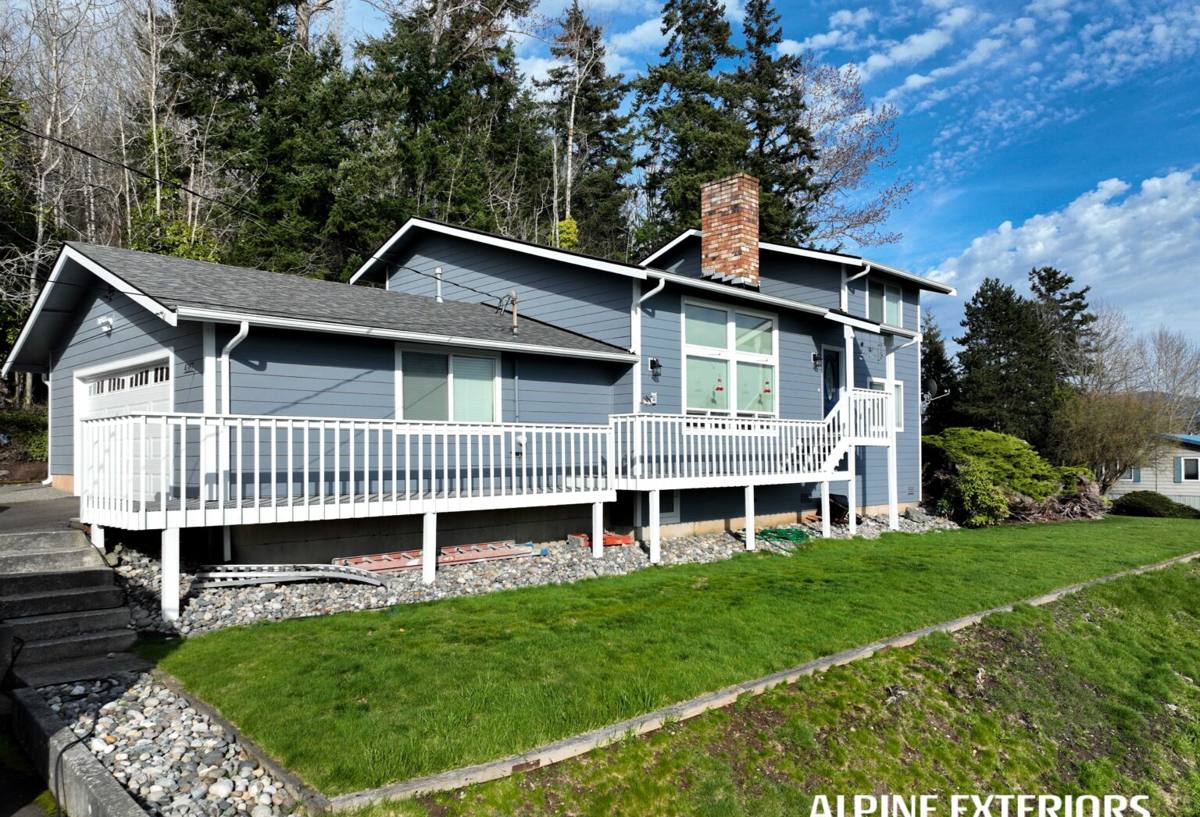
What Gulf Coast Storms Do to an Old Northeast Roof
St. Petersburg sits on a peninsula, and Old Northeast's tree canopy and proximity to the water shape the kind of damage we see after weather events.
Wind and Uplift
Hurricane-force and tropical-storm-force gusts don't just push on a roof — they create uplift at edges, ridges, and any spot where a shingle or panel has an existing weak point. Older homes with original nailing patterns, or roofs that were re-covered rather than fully torn off, are more likely to lose material in wind events that a newer, properly fastened roof would shrug off.
Wind-Driven Rain
A roof doesn't have to lose shingles to leak. Wind-driven rain gets forced sideways and upward under tabs, around flashing, and through nail holes that would never leak in a normal vertical rain. This is the damage that's easiest to miss on a quick look and the most common cause of a "mystery leak" showing up days or weeks after a storm has passed.
Falling Limbs and Debris
The mature tree canopy that gives Old Northeast its character also means more limb strikes during wind events than you'd see in a newer subdivision with young landscaping. A limb strike can crack shingles, dent metal panels, or punch through decking without leaving an obvious hole from the ground.
UV and Salt Air Between Storms
Storms don't act on a fresh roof — they act on whatever the Florida sun and salt air have already been doing to it year-round. Intense, near-constant UV breaks down asphalt oils and adhesive strips over time, and coastal salt air accelerates corrosion on exposed fasteners and metal flashing. A roof that's already brittle or has corroding fasteners will take storm damage that a well-maintained roof of the same age would resist.
Why "It Looks Fine" Isn't the Same as "It's Fine"
After a storm, most homeowners check the roof by looking up from the yard or the street. That tells you whether shingles are visibly missing — it tells you almost nothing about whether water got underneath the ones that are still there. Storm damage worth repairing often includes:
- Lifted or creased shingle tabs that have reset but broken their seal
- Bent, lifted, or missing flashing at chimneys, valleys, and wall intersections
- Bruised or fractured shingle mat from small hail or debris impact, invisible from the ground
- Loosened or backed-out fasteners on metal panels
- Soaked but not yet visibly leaking decking, which can lead to soft spots and rot weeks later
- Gutter and drip edge separation that redirects water into the fascia instead of off the roof
This is why a proper storm damage repair starts with a real inspection, not a driveway glance.
What a Correct Storm Damage Repair Involves
1. Inspection, Not Guesswork
We get on the roof (weather and safety permitting) and check the field, the flashing, the penetrations, and the attic side where accessible. Wind and impact damage often shows up differently up close than it does from the street, and a repair based only on a ground-level look tends to miss the second and third problem spots.
2. Matching the Repair to the Damage — Not Defaulting to a Full Re-Roof
Not every storm-damaged roof needs full replacement. If the roof is otherwise sound and the damage is localized — a section of lifted shingles, a damaged flashing run, a few impact points — a targeted repair is the honest answer. We'll tell you plainly when a repair makes sense versus when the roof's overall age or condition means a repair would just be a short-term patch on a system that's due for replacement anyway.
3. Proper Reattachment and Sealing
Loose shingles that get pressed back down without new fasteners or fresh sealant will lift again in the next wind event. A correct repair re-nails to code, replaces broken seals, and re-beds or replaces flashing rather than just caulking over a gap.
4. Decking Check Where Water Intrusion Is Suspected
If there's any sign water got past the shingles, we check the decking underneath before closing the repair back up. Covering over wet or soft decking is how a wind-damage repair turns into a rot problem a year later.
5. Documentation for Insurance
Storm damage claims move faster and get fewer pushbacks when there's clear photo documentation of the damage tied to the storm date, plus a written scope of repair. We document as we go so you have what you need if you're filing a claim.
Repair vs. Replacement: How We Help You Decide
| Factor | Leans Toward Repair | Leans Toward Replacement |
|---|---|---|
| Extent of damage | Localized to one slope or section | Widespread across multiple slopes |
| Roof age | Roof is well within its expected service life | Roof was already nearing end of life before the storm |
| Underlying condition | Decking and underlayment are sound elsewhere | Signs of prior leaks, soft decking, or granule loss across the roof |
| Material availability | Matching shingles or panels are reasonably available | Discontinued material or major color mismatch on visible slopes |
| Claim scope | Adjuster and inspection agree on limited scope | Adjuster or contractor inspection finds damage beyond the visible area |
We walk you through where your roof actually falls on this table — we don't have a reason to push replacement on a roof that just needs a proper repair, and we won't talk you into a "quick patch" on a roof that's genuinely done.
Why It Matters That We Work Old Northeast Regularly
A crew that already works this neighborhood knows the mix of roof ages and material types you'll find here, has a feel for how the tree canopy affects debris damage on specific streets, and isn't learning the neighborhood's housing stock for the first time on your roof. That familiarity shows up in small but real ways: knowing what to expect from an older re-covered roof versus one that's had a full tear-off, and knowing which flashing details tend to be the weak point on homes of a certain era.
It also matters for response time after a storm. When a named storm or a bad squall line comes through St. Petersburg and Pinellas County, demand for roof inspections spikes fast. A crew already working locally, rather than one dispatched from out of the area, can generally get eyes on your roof sooner — which matters when a tarp or emergency dry-in is the difference between a repair and a much bigger interior problem.
What to Do Right After a Storm
- Do a ground-level visual check for obvious missing shingles, exposed decking, or damaged flashing — don't get on the roof yourself
- Check attic or top-floor ceilings for new water stains or damp spots
- Photograph any visible exterior damage from the ground for your records
- Clear debris away from downspouts and gutters so water can drain properly
- Call for an inspection promptly — exposed decking or compromised flashing gets worse with every rain event, not better
- Avoid signing anything or paying a deposit to a door-knocking crew you can't verify is licensed and locally established
A Note on Storm-Chasing Contractors
After major weather events, it's common for out-of-town crews to canvas hard-hit neighborhoods offering fast, cheap repairs. Some of that work is fine. But a contractor with no established presence in St. Petersburg has less incentive to stand behind a repair a year or two down the road, and less familiarity with how Pinellas County's climate and permitting requirements apply to your specific roof. If a repair crew can't point to ongoing local work and a real local business address, that's worth factoring into your decision — not because the work is automatically bad, but because accountability after the fact is part of what you're paying for.
If your Old Northeast home has visible or suspected storm damage, we're glad to come take a look and give you a straight answer on what it needs. Reach out for a free, no-pressure estimate using the form below.