 St. Petersburg Roofing
 Board & Batten Siding Built for Pinellas Point's Exposure
Pinellas Point sits on the southern tip of St. Petersburg, close to open water on multiple sides, which means homes here take a harder hit from the elements than houses further inland. Board and batten siding has become a popular choice in this part of Pinellas County because of its clean, vertical-line look and the way it reads on both older Florida ranch homes and newer coastal-style builds. But the look only holds up if the material and the installation are matched to what this location actually throws at a house: hurricane-force wind gusts, relentless year-round UV, wind-driven rain that gets pushed sideways into wall assemblies, and salt-laden air that never really stops working on exposed materials.
This page is about that one service, in that one neighborhood: what board and batten siding needs to survive here, what a correct installation looks like, and why we only install it in one material system.
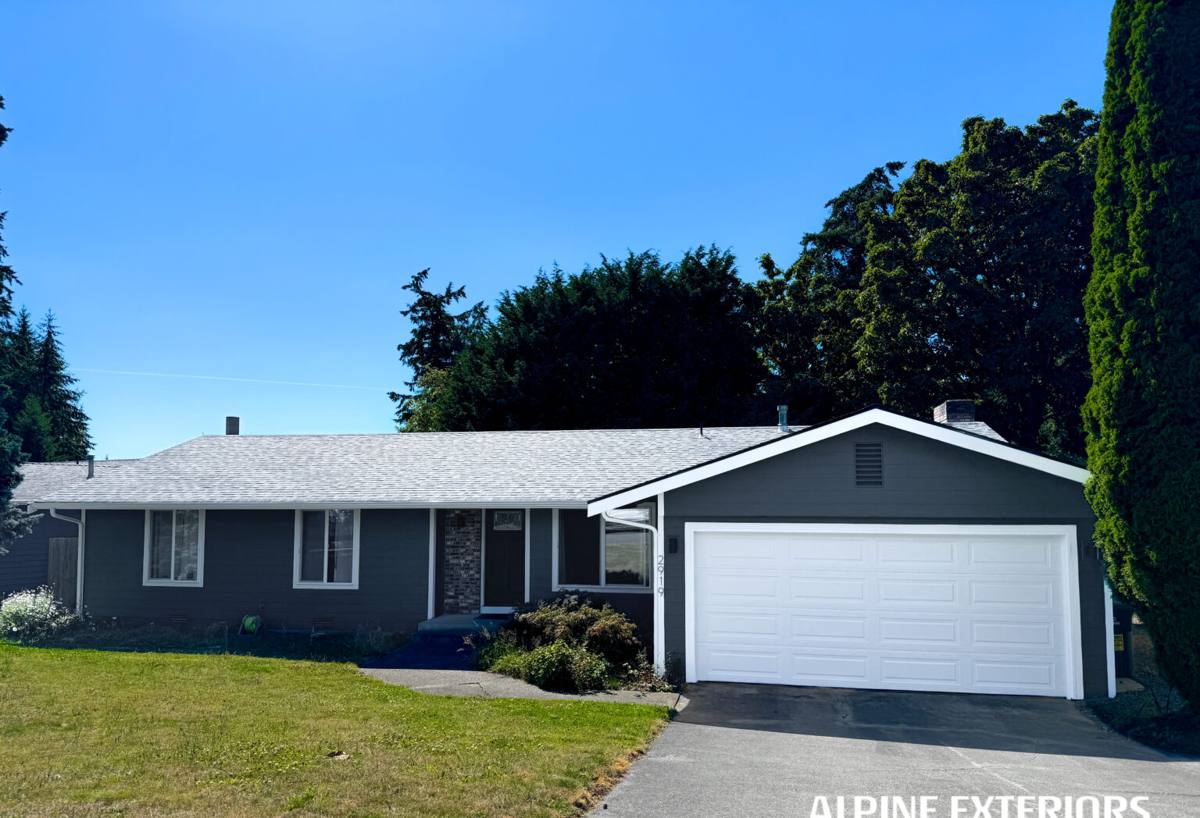
What Board & Batten Siding Is, and Why It Suits This Area
Board and batten is a siding pattern, not a material. It's built from wide vertical boards with narrower strips (battens) covering the seams between them. The result is a strong vertical shadow line that looks equally at home on a modern coastal build or a more traditional Florida cottage, and it pairs well with the board-and-batten accents, gable features, and mixed-siding facades common throughout south St. Petersburg neighborhoods.
The pattern itself is old and proven. What's changed is the material behind it. Traditional board and batten was often cedar or primed spruce, both of which move, cup, and rot in a humid coastal climate faster than most homeowners expect. Modern board and batten siding is almost always installed as a fiber cement system today, precisely because fiber cement holds its shape and finish in conditions that break down wood-based products.
Why the Vertical Pattern Matters Structurally
Vertical board and batten sheds water differently than horizontal lap siding. Water runs down the face of the boards rather than resting on overlapping horizontal edges, which is an advantage in heavy rain — but only if the battens, seams, and flashing details are installed correctly. A poorly detailed board and batten job can actually trap more water at the battens than a lap siding installation would, which is why installation quality matters more with this pattern than with almost any other siding style.
What Pinellas Point's Climate Actually Does to Siding
St. Petersburg and the rest of Pinellas County deal with a specific combination of stresses that most of the country doesn't. Pinellas Point, given its position near open water, gets a concentrated version of all of them.
| Climate Factor | What It Does to Siding | What the Siding Needs |
|---|---|---|
| Hurricane-force wind | Pulls at fasteners and panel edges, drives debris impact, stresses seams and corners | Rated fastening schedule, proper edge nailing, impact-resistant material |
| Year-round intense UV | Fades paint, breaks down resin binders, dries out and cracks wood-based products | UV-stable factory finish, a substrate that doesn't rely on field-applied paint alone |
| Wind-driven rain | Forces water sideways and upward behind panels and battens, not just straight down | Correct water-resistive barrier, flashing, and drainage behind the siding |
| Salt air | Accelerates corrosion of fasteners and trim, degrades unprotected finishes | Corrosion-resistant fasteners and hardware, a finish built to hold up near the coast |
None of these factors act alone. A hurricane doesn't just bring wind — it brings wind-driven rain at the same time the salt content in the air is already highest. A siding system that only accounts for one of these stresses at a time isn't accounting for how Pinellas Point actually experiences weather.
What a Correct Board & Batten Installation Involves
The pattern is simple to describe and easy to get wrong in the field. A correct installation is mostly about what happens behind the boards, not just how the face looks when it's done.
Behind the Siding
- A properly lapped and sealed water-resistive barrier, installed before a single board goes up
- Rainscreen or drainage detailing where the assembly calls for it, so any water that does get behind the siding has somewhere to go
- Correct flashing at every window, door, and roofline transition — the points where board and batten siding is most likely to leak if rushed
The Boards and Battens Themselves
- Fastener spacing and type matched to the manufacturer's high-wind installation instructions, not a generic schedule
- Corrosion-resistant fasteners appropriate for a coastal environment — this is not optional this close to the water
- Proper gaps and sealant at board ends and penetrations to allow for expansion without cracking the finish
- Battens installed to actually cover and protect the seams beneath them, not just decorative strips nailed over gaps
Skipping any one of these steps might not show up as a problem for a year or two. It shows up the first time a real storm pushes rain sideways into a seam that wasn't sealed correctly, or the first time salt air finds bare metal at a fastener head.
Why We Install James Hardie and Nothing Else
We install James Hardie fiber cement siding exclusively for board and batten projects in Pinellas Point and the rest of our service area. That's not a brand preference — it's a decision based on what holds up in this specific climate.
Fiber cement is non-combustible, doesn't absorb moisture the way wood-based products do, and doesn't warp or cup under repeated wet-dry cycling the way primed spruce or cedar can in a humid coastal environment. James Hardie's ColorPlus factory-applied finish is baked on under controlled conditions rather than painted on-site, which gives it better UV and fade resistance than field-applied paint — a meaningful difference under Florida's year-round sun. James Hardie also engineers specific product lines (their HZ5 line, for example) for higher-humidity, higher-wind coastal regions like ours, and backs the material with a strong, transferable limited warranty.
We're often asked why we don't offer vinyl, LP SmartSide, or other fiber cement brands as board and batten options. The honest answer is that we've standardized on one system so that every install we do — including the flashing, fastening, and sealant details — is built around a single, well-documented set of manufacturer specifications. That consistency is part of how we keep our installation quality high across every job, including here in Pinellas Point.
How Our Process Works in Pinellas Point
1. On-Site Assessment
We look at the home's current siding condition, wall assembly, and exposure — a house facing open water gets evaluated differently than one set back a few blocks with more wind protection from surrounding structures and trees.
2. Detailed Proposal
You get a clear scope covering material, color, drainage and flashing details, and fastening approach — not just a square-footage price.
3. Permitting
Siding work in St. Petersburg and Pinellas County typically requires permitting, and wind-load requirements matter here more than in most parts of the country. We handle that process as part of the job.
4. Installation
Water-resistive barrier and flashing go in first and get inspected before boards go up. Boards and battens are installed to James Hardie's fastening and clearance specifications, with corrosion-resistant hardware throughout.
5. Final Walkthrough
We walk the finished job with you, check every seam, corner, and penetration, and make sure the finish and caulking are clean before we consider the job done.
Signs Your Current Siding May Already Be Struggling
- Visible cracking, cupping, or splitting at board seams or ends
- Soft or spongy spots when pressed, especially near the base of walls or under windows
- Rust streaks running down from fastener heads or trim
- Fading or chalking finish that's noticeably worse on the sun-facing side of the house
- Gaps opening up at battens or corner trim after a storm season
- Peeling paint or finish failure at seams, which often points to moisture getting behind the boards
Any of these on their own might just mean it's time for maintenance. Several at once, especially after a storm season, usually means water has already found its way behind the siding.
Why a Crew That Already Works Pinellas Point Matters
Board and batten siding done right requires knowing how to detail flashing and drainage for wind-driven rain, how to fasten for hurricane-force gusts, and how to spec hardware that won't corrode in salt air — and knowing it isn't the same everywhere. A crew that regularly works Pinellas Point and the surrounding St. Petersburg and Pinellas County area already understands the wind exposure differences between a bayfront-adjacent lot and one set further back, already knows the local permitting expectations, and isn't learning the region's climate demands on your project. That local experience shows up in the details that don't get noticed until they fail — or don't.
If you're weighing a board and batten siding project for your Pinellas Point home, we're happy to take a look and give you a straightforward, no-pressure estimate. Use the form below to get started.