 St. Petersburg Roofing
 Roof Repair Built for Pinellas Point's Waterfront Exposure
Pinellas Point sits on the bay side of south St. Petersburg, and that location comes with a specific set of roofing problems that inland Pinellas County neighborhoods don't deal with in the same way. Homes here take on wind off open water, near-constant humidity, and salt-laden air that speeds up corrosion on anything metal. A roof repair here isn't just about patching a leak — it's about understanding why that leak happened in this specific environment and fixing the actual cause, not just the symptom.
We work on homes throughout St. Petersburg and Pinellas County, and Pinellas Point is one of the areas we're in regularly. That matters more than it might sound like, because roofs in this pocket of the county age differently than roofs a few miles inland, and a repair that doesn't account for that will fail faster than it should.
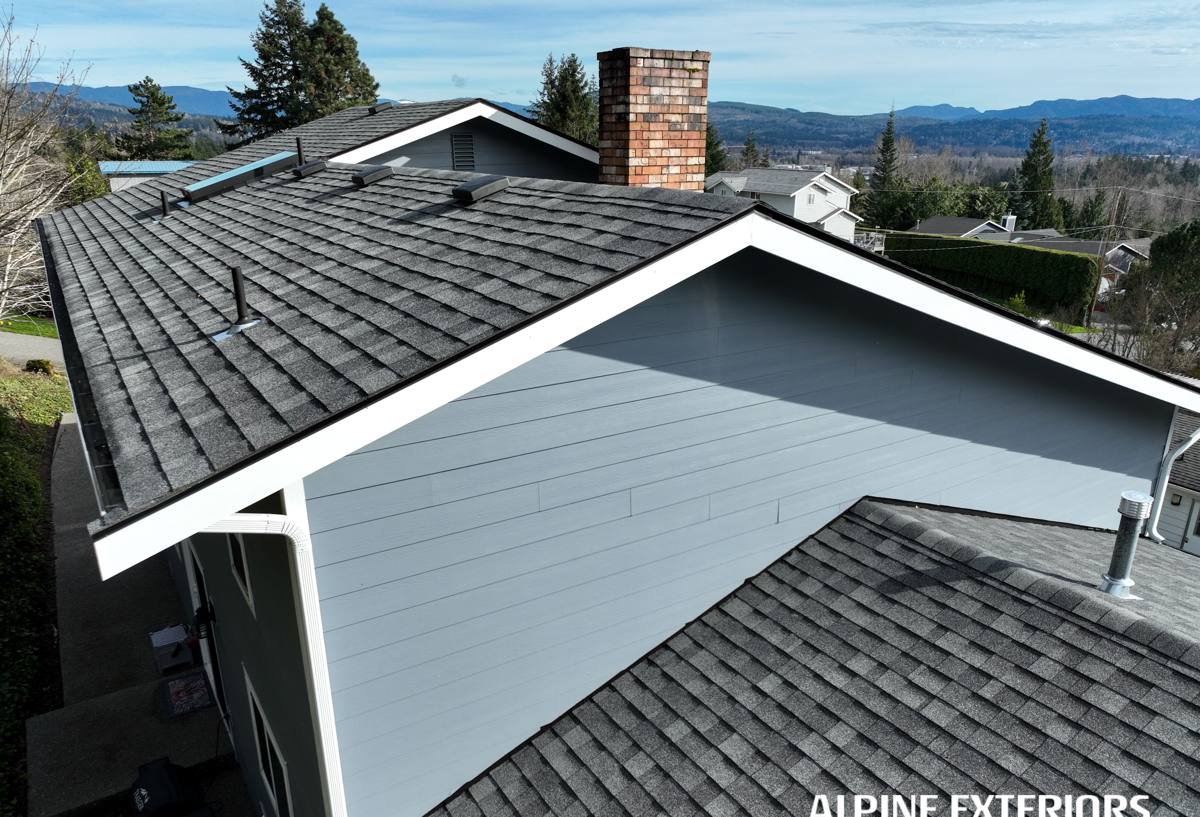
What Pinellas Point's Climate Does to a Roof
Wind-Driven Rain
Storm systems moving through Tampa Bay push rain sideways, not straight down. That means water gets forced up under shingle tabs, around flashing edges, and into any gap that a calm-weather rain would never reach. A repair that only addresses the spot where water is showing up inside the house — without checking upslope for where wind actually drove it in — tends to come back within a season or two.
Year-Round UV Exposure
Florida sun is hard on roofing materials every month of the year, not just in summer. UV breaks down the oils in asphalt shingles, makes them brittle, and accelerates granule loss. On older roofs in Pinellas Point, you'll often see this show up as bald patches, curling tabs, or cracking around penetrations — all things that can turn into active leaks once a storm adds wind and rain on top of already-weakened material.
Salt Air and Corrosion
Being close to Tampa Bay means salt in the air, and salt is hard on metal. Flashing, fasteners, vent stacks, and drip edge corrode faster here than they do further inland. A repair that reuses corroded fasteners or doesn't upgrade to more corrosion-resistant hardware where it counts is a repair that's already on borrowed time.
Storm Debris and Wind Uplift
Wind events don't just rip shingles off — they lift edges just enough to break the seal, then the next rain gets underneath. Debris impact from nearby trees or airborne material during storms is also common. Both leave damage that isn't always obvious from the ground, which is part of why an honest inspection matters more than a quick visual guess.
What a Correct Roof Repair Actually Involves
A lot of "repairs" in this trade are really just cosmetic patches — a dab of sealant over a visible crack, a shingle nailed back down without checking what's underneath it. That kind of work covers a symptom for a while. It doesn't fix the problem, and on a roof exposed to Pinellas Point's wind and salt air, it usually fails again fast.
Finding the Real Source
Water doesn't always show up inside the house directly below where it entered the roof. It can travel along the underlayment or decking before dripping somewhere else entirely. A correct repair starts with tracing the water path back to the actual entry point, which often means checking flashing, valleys, and penetrations well beyond the spot with the visible stain.
Matching Materials, Not Just Covering Gaps
Repairs need to use compatible materials — the right shingle profile, the right underlayment weight, flashing metal that won't corrode against what's already on the roof. Mismatched materials can trap moisture or create new failure points instead of solving the original one.
Flashing and Underlayment Come First
Most leaks that look like a shingle problem are actually a flashing or underlayment problem. Shingles shed water; flashing and underlayment are what stop water that gets past the shingles from reaching the deck. If those layers are compromised, replacing shingles alone won't stop the leak.
Our Repair Process
- Inspection and diagnosis. We look at the whole roof system — shingles, flashing, valleys, penetrations, and attic if accessible — not just the spot you called about.
- Honest assessment. We tell you what's actually wrong, what it will take to fix it correctly, and whether repair makes sense or a section (or the whole roof) is past the point where patching is the smart move.
- Written scope before work starts. You know what's being done and why before we're on the roof.
- The repair itself. Proper tear-out of the damaged area, correct underlayment and flashing work, materials matched to what's already there, and a clean tie-in so the repaired section performs like the rest of the roof.
- Cleanup and walk-through. Debris and old material removed, and we show you what was done.
Repair vs. Replacement: How We Decide
Not every roof problem needs a full replacement, and not every roof problem should be patched forever. Here's generally how the decision breaks down.
| Factor | Leans Toward Repair | Leans Toward Replacement |
|---|---|---|
| Age of roof | Well within expected lifespan | Near or past typical service life |
| Extent of damage | Isolated to one area or penetration | Spread across multiple sections |
| Underlayment condition | Still intact and doing its job | Deteriorated or failing in multiple spots |
| Number of past repairs | First or second issue on this roof | Pattern of repeated repairs in different spots |
| Decking condition | Solid, no soft spots | Soft, rotted, or water-stained decking found |
We won't push a full replacement on a roof that just needs a solid repair, and we won't recommend patching a roof that's genuinely at the end of its useful life — because on a home exposed to Pinellas Point's wind and salt air, a roof past its prime tends to fail in more places, faster, than the same roof would inland.
Materials We Repair With — and Why
For most Pinellas Point homes, we're working with asphalt shingle roofs, though we also handle tile and metal. Whatever the roof type, the repair materials need to hold up to the same conditions the original roof was built for.
- Shingles matched as closely as possible in profile and, where available, color to the existing roof
- Corrosion-resistant flashing and fasteners, given the salt air this close to the bay
- Underlayment rated for wind-driven rain exposure, not just basic coverage
- Sealants and adhesives suited to sustained UV exposure, not products that break down after a season or two
We're straightforward about trade-offs. Some lower-maintenance products cost more up front; some traditional materials cost less but need closer attention over time. We'll walk you through the honest pros and cons for your specific roof rather than steering you toward whatever's easiest for us to install.
Why a Crew That Already Works Pinellas Point Matters
A roofer who mostly works inland neighborhoods can still do competent work, but they're guessing at conditions a Pinellas Point roof deals with every day — the salt exposure, the wind patterns off the bay, the way UV and humidity combine on a waterfront-adjacent property. A crew that's regularly in this part of St. Petersburg has already seen how roofs here age and fail, which means less guesswork diagnosing your problem and fewer surprises once the repair is underway.
There's also a practical side: familiarity with St. Petersburg and Pinellas County permitting requirements, and knowing which repair approaches actually hold up in this specific climate versus which ones look fine on paper but don't last near open water.
Roof Repair Checklist for Pinellas Point Homeowners
- Check for granule buildup in gutters or downspouts — a sign of accelerating shingle wear
- Look for curling, cracked, or missing shingle tabs, especially after any windy weather
- Watch for rust streaks near flashing, vent stacks, or metal roof edges
- Note any ceiling stains, even small ones, and when they appear relative to storms
- Have the roof inspected after any significant wind event, not just when a leak shows up
- Get a second opinion before agreeing to a full replacement if only one issue is present
- Ask for a written scope of repair work before anyone gets on the roof
After the Repair: Keeping It From Happening Again
A good repair should hold, but a little attention afterward goes a long way in this climate. Keep gutters clear so water isn't backing up against roof edges. After major storms, a quick visual check from the ground — or a call to have it looked at professionally — catches small issues before wind and rain turn them into interior damage. Salt air means metal components are worth a periodic look even when nothing seems wrong, since corrosion can be gradual and easy to miss until it isn't.
If you're dealing with a leak, storm damage, or just want an honest read on a roof's condition, we're glad to take a look. Fill out the form below for a free, no-pressure estimate.