 St. Petersburg Roofing
 Siding Repair Built for Pinellas Point's Climate
Pinellas Point sits on a peninsula at the southern tip of St. Petersburg, surrounded on three sides by water. That geography is part of what makes the neighborhood beautiful, and it's also exactly why siding here ages differently than siding twenty miles inland. Homes on this stretch of Pinellas County take on a combination of stresses that most siding products were never engineered to handle indefinitely: hurricane-force wind gusts during tropical systems, near-constant UV exposure from a subtropical sun, wind-driven rain that gets forced sideways into seams and laps, and a steady drift of salt air off Tampa Bay and Boca Ciega Bay that accelerates corrosion and finish breakdown on anything not built to resist it.
When we get a call about siding repair in Pinellas Point, we're rarely looking at one isolated problem. We're usually looking at the cumulative effect of that environment on a specific product, a specific installation, and a specific set of exposures — south and west-facing walls that catch the harshest sun, corners that take wind-driven rain during every squall, and trim details near grade that never quite dry out. A repair that ignores that context is a repair that fails again in a year or two.
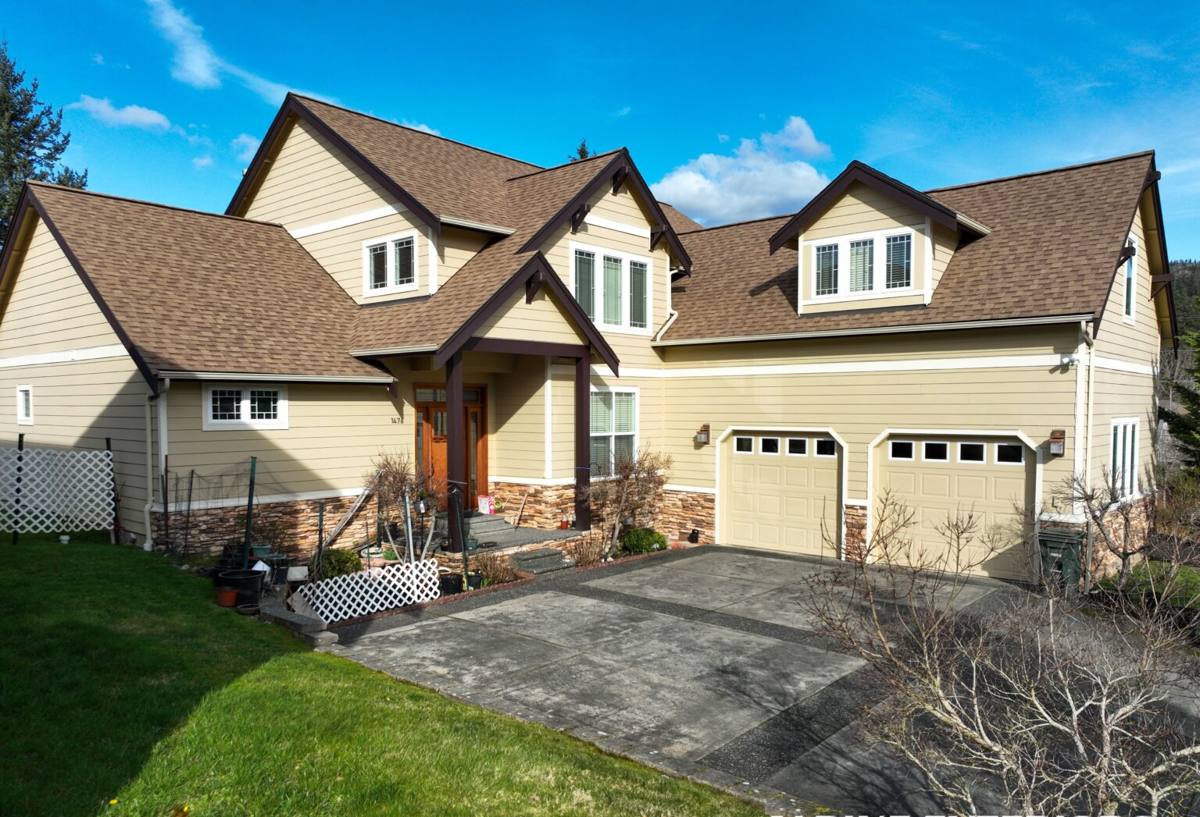
Signs Your Siding Needs Repair, Not Just Paint
Homeowners often reach for a paint touch-up when the real problem is underneath the surface. Here's what typically signals an actual repair is needed rather than a cosmetic fix:
- Cracked, split, or buckled panels — especially after a windstorm or tropical system
- Soft, spongy, or crumbling sections, which usually mean moisture has gotten behind the siding
- Visible gaps at seams, corners, or trim where caulking has failed or pulled away
- Staining or dark streaking that keeps coming back through fresh paint
- Panels that have separated from the wall or show fastener pops
- Persistent musty odor or soft drywall on an interior wall that backs up to exterior siding
- Chalky, faded color on one side of the house that's noticeably worse than the others
Any one of these can be a localized fix. Several of them together, especially combined with visible water staining, usually mean the damage has spread further than what's visible from the ground.
Why Wind-Driven Rain Is the Real Culprit
Straight-down rain is rarely what causes siding failure. It's rain pushed sideways by wind — which Pinellas Point gets regularly, not just during named storms — that finds its way behind panels, around window and door trim, and into any seam that wasn't sealed or lapped correctly the first time. Once water gets behind siding, it doesn't just sit there. It works on the sheathing, the fasteners, and the framing, and by the time it shows up as a visible stain or soft spot on the outside, there's often more damage hidden than what you can see.
What a Correct Siding Repair Actually Involves
A proper repair isn't just pulling a damaged panel and nailing up a new one. It's a diagnostic process:
- Identify the actual source of the damage — impact, wind, moisture intrusion, or age-related material breakdown. Cutting out a cracked panel without finding out why it cracked just delays the next failure.
- Check what's behind the siding. If there's any sign of moisture, we pull back further than the visible damage to inspect the water-resistive barrier, flashing, and sheathing before closing anything back up.
- Repair or replace the water management details — house wrap, flashing at windows and penetrations, and kick-out flashing at roof-to-wall intersections — not just the siding itself.
- Match the replacement material and profile to the existing siding as closely as possible, so the repair doesn't stand out or create a new failure point at the transition.
- Re-seal and re-fasten correctly to manufacturer spec, not just "close enough," since incorrect fastening is one of the most common causes of repeat failures in coastal wind zones.
Skipping steps 2 and 3 is the single biggest reason siding repairs fail again within a couple of years. A new panel over a compromised water barrier just hides the problem for a little while.
Repair Scenarios We See Most Often in This Area
Storm and Wind Damage
After a tropical system moves through, the damage isn't always dramatic. Sometimes it's a handful of cracked or dislodged panels on the windward side of the house, or trim that's pulled loose. Left alone, even minor storm damage becomes an entry point for water before the next system arrives.
Rot and Moisture Damage at Trim and Corners
Corner boards, window trim, and areas near grade are the most common spots we find hidden rot — particularly on older siding materials that weren't engineered for constant moisture cycling. These areas trap water longer than flat wall sections and often need more than a surface patch.
UV and Finish Breakdown
South- and west-facing walls in Pinellas County take a disproportionate amount of direct sun. On siding with a field-applied paint finish, that shows up as chalking, fading, and eventually cracking of the paint film — which then lets moisture in at every hairline crack.
Impact Damage
Debris during high winds, landscaping equipment, or simple accidents can crack or dent panels. These are usually the most straightforward repairs, provided a matching replacement panel is available.
Repair vs. Replacement: How We Help You Decide
Not every damaged section needs a full re-side, and not every "just patch it" situation is actually a good long-term fix. We walk homeowners through the real trade-offs honestly:
| Factor | Favors Repair | Favors Replacement |
|---|---|---|
| Extent of damage | Isolated to a few panels or one wall section | Spread across multiple walls or hidden moisture is widespread |
| Age of existing siding | Relatively recent, still within useful service life | Nearing or past expected lifespan for the material |
| Material match availability | Matching panel, profile, and color are available | Discontinued style/color or product line no longer sold |
| Underlying water barrier condition | Sound, no signs of failure elsewhere | Compromised in multiple areas |
| Overall goal | Restore and extend current siding's life | Reduce future maintenance and improve storm resilience |
When a repair is the right call, we do it right and stand behind it. When the damage or the underlying material tells a different story, we'll say so plainly rather than patching something that's going to fail again.
Why We Only Repair and Replace With James Hardie Fiber Cement
One of the realities of siding repair work is that the material you're repairing determines how well the repair holds up. We've made a deliberate decision as a company to work exclusively with James Hardie fiber cement siding rather than vinyl, LP SmartSide, or other engineered wood and composite products. For repair work specifically, that decision matters for a few practical reasons:
- Non-combustible material that doesn't soften, warp, or degrade from heat and sun exposure the way some other siding materials can over time in Florida's sun.
- ColorPlus factory finish that's baked on rather than field-applied, which means repaired sections hold their color far longer than field-painted material and resist the chalking and fading we see on sun-exposed walls.
- HZ5 climate-engineered formulation, built specifically for high-moisture, high-humidity coastal regions like the Tampa Bay area rather than a one-size-fits-all national product.
- Consistent panel availability across product lines, which makes matching a repair section to existing siding far more reliable than trying to source a discontinued vinyl or composite profile.
- A strong transferable warranty when the product is installed to manufacturer spec, which protects the investment for you and for a future buyer if you sell the home.
We're honest that this isn't the only siding material on the market, and other products have their own selling points. But when we're the ones doing the repair and putting our name behind it, we want the material going back on the wall to hold up under Pinellas Point conditions for decades, not years — which is why Hardie fiber cement is what we install, full stop.
Our Repair Process
We keep the process straightforward and honest from the first visit:
- On-site inspection. We look at the visible damage and check surrounding areas — trim, corners, penetrations — that commonly hide related issues.
- Moisture and structural check. If there's any indication water has gotten behind the siding, we pull back further to assess the sheathing and water-resistive barrier before quoting a scope.
- Honest scope and estimate. We tell you plainly whether it's a targeted repair, a larger section replacement, or a case where full re-siding is the more sensible long-term move.
- Material sourcing and matching. We source Hardie panels and trim to match your existing siding's profile and ColorPlus finish as closely as the product line allows.
- Correct installation. Repairs are fastened, flashed, and sealed to manufacturer specification — not shortcuts that look fine today and fail in the next storm season.
- Cleanup and walkthrough. We review the completed work with you before we consider the job done.
Why It Matters to Hire a Crew That Already Works This Area
Pinellas Point's location on the water, combined with St. Petersburg's wind and flood zone requirements, means siding repair work here isn't identical to a job twenty miles north in a different part of Pinellas County. A crew that regularly works this neighborhood already understands which wall orientations take the worst sun and wind exposure, what kind of moisture damage shows up most often behind different types of trim, and how to fasten and flash repairs so they hold up through the next hurricane season rather than just looking good on move-out day. That local familiarity shows up in fewer surprises during the job and a repair that's built for the conditions it actually has to survive.
If you've got damaged, cracked, or aging siding on a Pinellas Point home, we're happy to take a look and give you a straight answer on what it needs. Reach out for a free, no-pressure estimate using the form below.