 St. Petersburg Roofing
 Roof Repair Built for Shore Acres Conditions
Shore Acres sits close to the water on Tampa Bay, and that location shapes what a roof in this neighborhood actually has to survive. Homes here take on more than the average dose of wind, sun, and moisture compared to inland St. Petersburg. A repair that would hold up fine in a landlocked subdivision can fail early on a bayfront roof if it's not done with that exposure in mind. We work in Shore Acres regularly, and our repair approach reflects what we've learned from that specific mix of conditions rather than a one-size-fits-all method.
Roof repair isn't just patching a leak and moving on. Done right, it's a diagnostic process — finding the actual source of a problem, understanding how water is moving through the assembly, and fixing the cause instead of just the symptom that's visible from the ground or the attic.
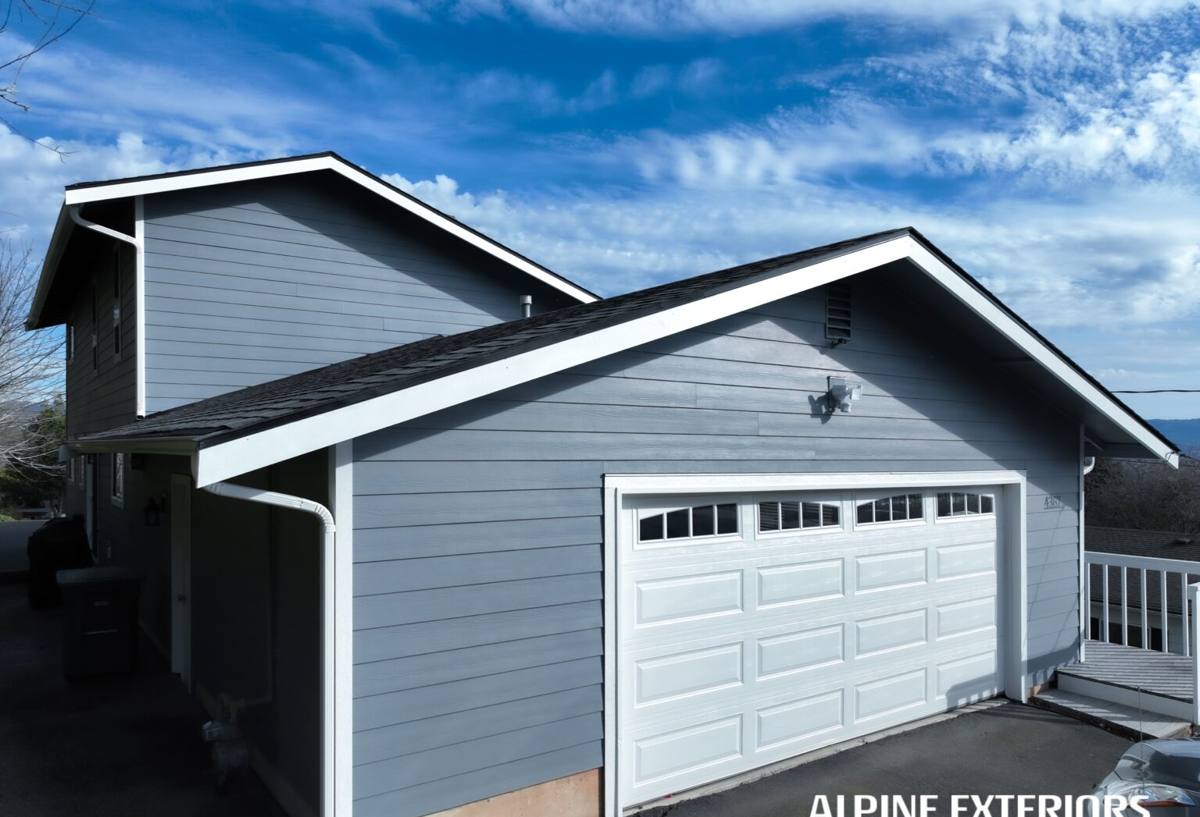
Why This Neighborhood Is Hard on Roofs
Pinellas County roofs deal with a demanding combination of stressors, and Shore Acres gets a concentrated version of it because of its proximity to the bay:
- Wind exposure: Waterfront and near-waterfront homes catch stronger, more sustained wind than roofs shielded by other structures further inland, especially during hurricane season and seasonal storm fronts.
- Salt air corrosion: Metal fasteners, flashing, vent boots, and exposed hardware corrode faster this close to saltwater, which shortens the working life of anything that isn't rated or protected for a marine-adjacent environment.
- Year-round UV load: Florida sun breaks down roofing materials from the surface down — shingles lose granules and flexibility, and sealants dry out and crack well before their rated lifespan on a roof that gets full-day sun exposure.
- Wind-driven rain: Storms here rarely come straight down. Rain gets pushed sideways under shingles, around flashing edges, and into any gap that wouldn't be a problem in a calmer climate.
- Ground moisture and humidity: Being near the water keeps ambient humidity higher, which slows drying after a leak and makes small amounts of trapped moisture more likely to turn into rot or mold if repairs aren't sealed tight.
None of this means a Shore Acres roof is doomed to constant problems. It means repairs need to account for these forces specifically, not just address whatever's leaking at the moment.
Common Roof Repair Issues We See in This Area
Wind and Storm Damage
Lifted or missing shingles, creased shingle tabs, and damaged ridge caps are frequent after wind events. The tricky part isn't always finding the obvious damage — it's checking the surrounding area for shingles that were loosened but not torn off, since those are the ones that'll fail in the next storm if they're not resealed or replaced now.
Flashing Failure
Flashing around chimneys, skylights, wall-to-roof transitions, and vent penetrations is one of the most common leak sources on any Florida roof, and salt-air corrosion accelerates the breakdown of metal flashing near the water. A leak that shows up as a stain on an interior ceiling can often be traced back to a flashing seam that opened up gradually rather than a dramatic storm event.
Sealant and Boot Degradation
Rubber vent boots and roof sealants take heavy UV exposure and tend to crack, shrink, or become brittle well before shingles themselves wear out. These are small, inexpensive components, but a failed boot around a plumbing vent is one of the more common causes of a slow, hard-to-locate leak.
Granule Loss and Surface Wear
Intense sun exposure accelerates granule loss on asphalt shingles, which reduces their UV protection and speeds up further deterioration. Bald patches on a south- or west-facing slope are worth checking even if there's no active leak yet.
Trapped Moisture and Soft Decking
When water gets under roofing material and isn't caught early, the wood decking underneath can soften and rot. Combined with the area's higher ambient humidity, this kind of damage doesn't dry out or resolve on its own — it needs to be found, cut out, and replaced with sound material before new roofing goes back down.
What a Correct Repair Actually Involves
A roof repair that's done right isn't just about covering the hole. It typically includes:
- Locating the true source: Water often travels along the underside of decking or along rafters before it shows up as a stain, so the visible damage point and the actual entry point are frequently in different spots.
- Checking the decking: Any wood beneath the damaged area gets inspected for soft spots, delamination, or rot, and replaced if compromised — patching over bad decking just hides the problem temporarily.
- Matching materials appropriately: Shingles, underlayment, and flashing should match or be compatible with what's already on the roof so the repair doesn't create a new weak point or an obvious mismatch.
- Proper flashing and sealant work: Flashing gets re-secured or replaced rather than just re-caulked, and any sealant used should be rated for sustained sun and moisture exposure.
- A final water test or close inspection: Confirming the fix holds before calling the job finished, not just assuming it worked because the visible symptom is gone.
Our Process for Shore Acres Repairs
| Step | What Happens |
|---|---|
| 1. Inspection | We assess the roof in person — surface, flashing, penetrations, attic if accessible — and identify the actual cause, not just the symptom. |
| 2. Honest assessment | We explain what we found in plain terms, including whether it's a targeted repair or a sign of broader wear that's worth knowing about. |
| 3. Written estimate | A clear scope and price before any work starts, so there are no surprises once the crew is on the roof. |
| 4. Repair work | Decking replaced if needed, flashing and sealant addressed properly, materials matched to the existing roof where possible. |
| 5. Final check | We confirm the repair holds and walk through what was done before considering the job complete. |
Repair or Replace? Factors Worth Weighing
Not every issue calls for a full replacement, and not every issue is a quick fix either. A few factors that go into that decision:
| Factor | Leans Toward Repair | Leans Toward Replacement |
|---|---|---|
| Age of roof | Younger, within expected lifespan | At or near end of expected service life |
| Extent of damage | Localized (one slope, one penetration) | Widespread across multiple areas |
| Decking condition | Sound, minimal rot found | Extensive soft spots or rot |
| Frequency of past repairs | First or infrequent issue | Recurring leaks in different spots |
| Material condition overall | Granules and flexibility intact elsewhere | Widespread granule loss, brittleness |
We'll give you a straight answer on which side of that line your roof falls, based on what we actually find during inspection — not a default push toward the bigger job.
Why a Crew That Already Works This Area Matters
There's a real difference between a contractor unfamiliar with Shore Acres and one who's already worked roofs in this specific stretch of St. Petersburg. Familiarity with the area means:
- Recognizing which failure patterns are common on bayfront homes versus roofs further inland in Pinellas County.
- Knowing which materials and fasteners hold up better against salt air exposure in practice.
- Understanding local permitting and code requirements that apply to roof work in St. Petersburg without extra back-and-forth.
- Being able to respond faster after a storm because the crew already knows the area's layout and access points.
None of that replaces a careful, individual inspection of your specific roof — every home is different — but it does mean fewer surprises and a repair approach that's already been tested against the conditions your roof actually faces.
Simple Maintenance Checklist for Shore Acres Homeowners
Between professional inspections, a few habits help catch problems early:
- Walk the property after any significant storm and look for shingles on the ground or visibly out of place on the roof.
- Check attic spaces periodically for water stains, damp insulation, or musty odors, especially after heavy rain.
- Keep gutters and downspouts clear so water isn't backing up under roof edges.
- Look at exposed sealant around vents, skylights, and chimneys for cracking or shrinkage once or twice a year.
- Have the roof inspected before hurricane season and again afterward, even if nothing looks obviously wrong.
- Don't ignore a small ceiling stain — it's often the first visible sign of a leak that's been developing for a while.
Getting an Honest Read on Your Roof
If you're dealing with a leak, storm damage, or just want a professional opinion on a roof you're not sure about, we're glad to take a look. We'll tell you plainly what we find, what it'll take to fix it, and what it would cost — whether that's a targeted repair or something bigger. Reach out for a free, no-pressure estimate using the form below.