 St. Petersburg Roofing
 Roof Replacement for Pinellas Point Homes
Pinellas Point sits on the southern tip of the St. Petersburg peninsula, surrounded on three sides by water. That location is part of what makes the neighborhood desirable, and it's also exactly why roofs here take more punishment than roofs a few miles inland. Salt-laden air off Tampa Bay and the Gulf works on metal fasteners and flashing year-round. Intense Florida sun bakes shingles and membranes for months at a stretch. And when a tropical system tracks through Pinellas County, homes on this stretch of the peninsula are among the first to feel the wind and wind-driven rain. A roof replacement here isn't just a cosmetic upgrade — it's a decision about how well your home will hold up against a specific, demanding coastal environment.
We work on homes throughout St. Petersburg and Pinellas County, and Pinellas Point is a neighborhood we know well: the mix of older ranch-style homes, waterfront properties, and newer construction, the way roof age varies block to block, and the inspection and permitting realities of building this close to the water.
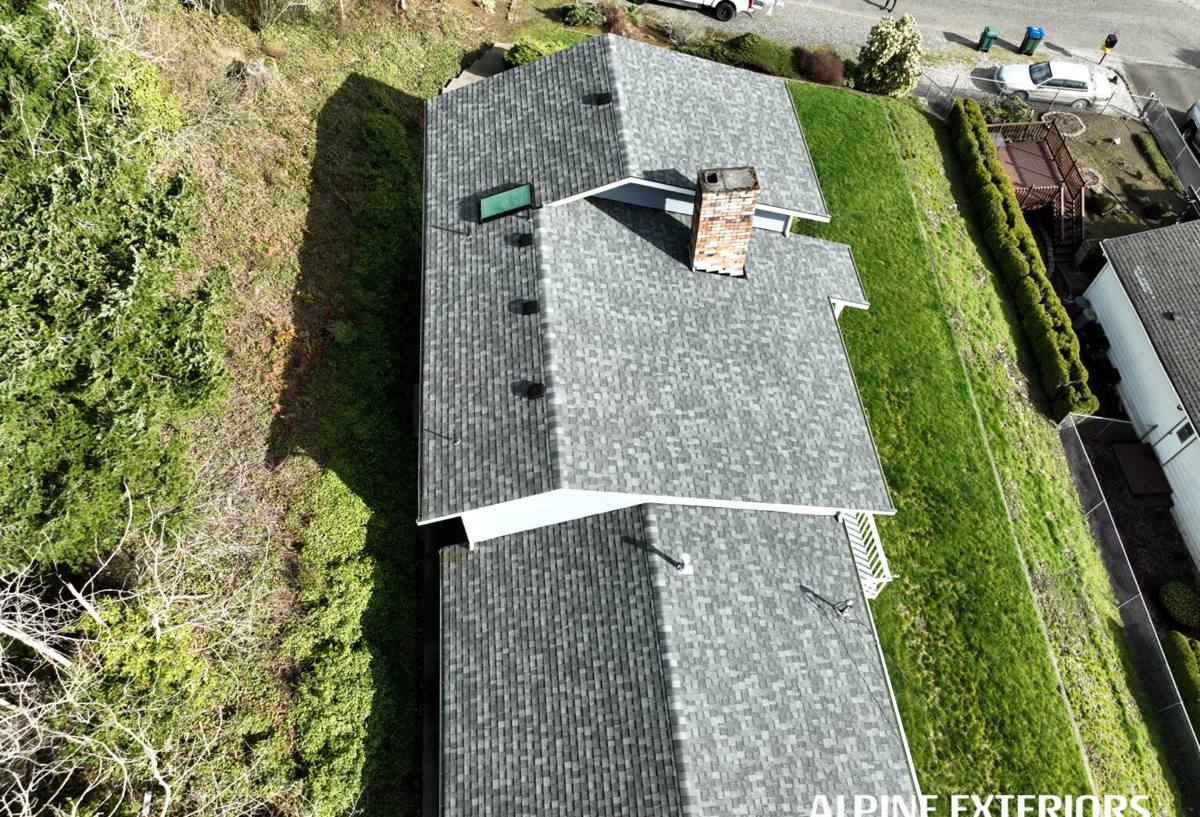
Why Pinellas Point Roofs Wear Differently
Salt Air and Corrosion
Homes closer to the water deal with an accelerated corrosion cycle. Exposed fasteners, drip edge, vent boots, and metal flashing all corrode faster here than they would ten or fifteen miles inland. A roofing system that isn't detailed with corrosion-resistant materials from the start will show rust streaks, loosening fasteners, and failing sealant well ahead of schedule.
UV Load
St. Petersburg gets some of the most consistent sun exposure in the continental United States. That UV load breaks down the oils and resins in asphalt shingles over time, making them brittle, and it degrades unprotected membrane roofing if the wrong product or installation method is used. A roof here needs UV-stable materials, not just materials that look right on day one.
Wind and Wind-Driven Rain
Pinellas Point's exposure means storm winds arrive with less obstruction than in more inland, tree-shaded neighborhoods. Wind-driven rain finds any gap in flashing, underlayment laps, or fastening patterns and pushes water where it doesn't belong. Replacement roofs here need to meet Florida Building Code wind-uplift requirements, and honestly, they need to be installed a notch more carefully than the code minimum, because this is exactly the kind of location where a marginal install gets tested first.
Humidity and Attic Moisture
Combine Gulf humidity with a hot attic and you get an environment that's hard on roof decking and insulation if ventilation is inadequate. A full replacement is the right time to correct ventilation problems that a repair alone can't fix.
Signs a Pinellas Point Roof Needs Replacement, Not Another Repair
- Granule loss heavy enough that shingles look patchy or the color has gone uneven and dull
- Curling, cupping, or cracked shingles across multiple slopes, not just one isolated area
- Soft spots or sagging when walked, which usually means decking damage underneath
- Repeated leaks in different spots after past repairs — a sign the underlayment is failing broadly, not just at one flashing point
- Visible rust at fasteners, vent boots, or flashing, or streaking that suggests corroding metal components
- A roof approaching or past 18-20 years old (asphalt shingle) or showing wear consistent with its age given this climate
- Missing shingles or exposed fastener heads after a storm, especially combined with any interior staining
If your roof shows two or more of these, a replacement conversation is usually more honest than another round of patchwork repair. We'll tell you plainly if a repair still makes sense — replacement isn't the answer for everything, and we'd rather earn the bigger job later than oversell it now.
What a Correct Roof Replacement Involves Here
Tear-Off and Deck Inspection
Every old layer comes off down to the deck. This is the only point in the entire job where the crew can actually see the plywood or OSB underneath, check for soft or delaminated sections, and address any moisture damage before it's covered up again for another 20 years. Skipping a full tear-off, or not inspecting the deck properly, is how hidden rot gets sealed in rather than fixed.
Underlayment Built for Wind-Driven Rain
Given the wind-driven rain exposure this close to the water, we treat underlayment as a real second line of defense, not an afterthought. That means proper lap direction, sealed fastening patterns, and self-adhering membrane at vulnerable points like valleys, eaves, and around penetrations.
Flashing and Fastening Detail
Flashing at chimneys, walls, skylights, and roof-to-wall transitions is where most leaks actually originate — not in the field of the roof. In a salt-air environment, we use corrosion-resistant metal and fastener specifications appropriate to the exposure, and we follow manufacturer nailing patterns to the letter rather than the bare code minimum, because uplift resistance depends on that detail being right.
Ventilation Correction
If the existing attic ventilation is inadequate — and on a lot of older Pinellas Point homes, it is — replacement is the time to add or correct intake and exhaust ventilation. Proper airflow reduces deck temperatures, extends shingle life, and helps control humidity-driven moisture in the attic.
Code-Compliant Wind Rating
Florida Building Code sets wind-uplift and fastening requirements based on your specific wind zone, and Pinellas Point's coastal exposure places it in a demanding category. We pull the required permits and install to meet or exceed those standards, not treat them as a checkbox.
Material Options for This Location
| Material | Typical Lifespan Here | Coastal/Wind Considerations |
|---|---|---|
| Architectural asphalt shingles | 18-25 years | Good value; needs high-wind rated shingle and proper fastening for this exposure |
| Standing seam metal | 35-50+ years | Excellent wind and UV performance; higher upfront cost, low long-term maintenance |
| Tile (concrete or clay) | 40-50+ years | Handles UV and heat well; underlayment and attachment method matter more than the tile itself in wind events |
| Modified bitumen / TPO (low-slope sections) | 15-25 years | Common on additions and porches; seam quality and UV-stable membrane selection are critical near salt air |
There's no single "best" material for every Pinellas Point home — it depends on your roof's slope, your home's style, your budget, and how long you plan to stay in the house. We'll walk through honest trade-offs for your specific roof rather than pushing one product line.
Our Process, Start to Finish
- On-site inspection. We look at the whole system — shingles or existing roofing, decking condition where visible, flashing, ventilation, and any interior signs of past leaks.
- Written estimate. Clear scope, material options, and pricing, with the reasoning behind each recommendation explained in plain terms.
- Permitting. We handle the City of St. Petersburg / Pinellas County permitting and inspections required for a full roof replacement.
- Material staging and tear-off. Old roofing removed down to the deck, with the deck inspected before anything new goes down.
- Deck repair as needed. Any damaged plywood or OSB is replaced before underlayment goes on — not patched over.
- Underlayment, flashing, and field installation. Installed to manufacturer specification and Florida Building Code wind requirements for this zone.
- Final inspection and cleanup. Magnetic sweep for debris, job-site cleanup, and coordination of the final inspection.
Why It Matters That We Already Work This Neighborhood
Every neighborhood in St. Petersburg has its own quirks, and Pinellas Point's are shaped by its exposure. A crew that regularly works this specific area already understands the wind zone requirements that apply here, has relationships with the permitting process for this jurisdiction, and has seen firsthand what salt air and storm exposure do to different roofing systems over time. That's different from a crew doing a one-off job in an area they don't normally serve. We're not learning the local conditions on your roof — we already know them.
Before You Replace: A Practical Checklist
- Get a written scope of work, not just a price — know exactly what's being torn off, replaced, and inspected
- Confirm the contractor is pulling proper permits for the City of St. Petersburg or Pinellas County, as applicable
- Ask what underlayment and fastening spec will be used, specifically because of the coastal wind exposure
- Confirm how deck damage, if found, will be priced and handled — this should never be a vague allowance
- Check that attic ventilation is part of the conversation, not just the visible roofing surface
- Get manufacturer and workmanship warranty terms in writing before work begins
Timing and Storm Season
Roof replacements can happen year-round in St. Petersburg, but scheduling ahead of hurricane season, or promptly after storm damage is identified, matters more here than in less exposed areas. If your roof is already showing wear, waiting until the middle of an active storm season to replace it is a real risk — a marginal roof is far more likely to fail exactly when wind-driven rain is heaviest. Planning a replacement in late winter or spring, before the seasonal wind and rain pattern picks up, is generally the more comfortable timeline for homeowners in this part of the county.
If your Pinellas Point roof is aging, showing storm wear, or you just want an honest read on where it stands, we're happy to take a look. Fill out the form below for a free, no-pressure estimate.