 St. Petersburg Roofing
 Roser Park's Terrain and Climate Are Hard on Decks
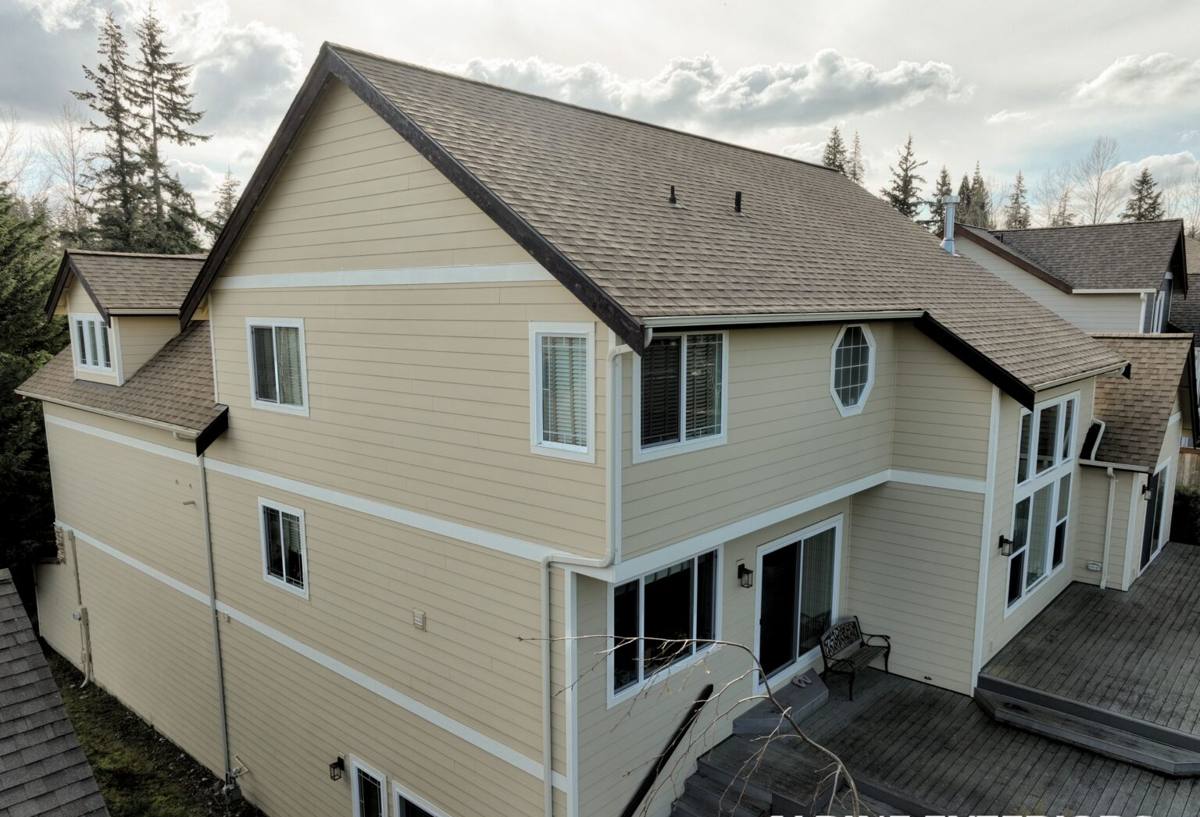
Roser Park sits on some of the more uneven, tree-covered ground in St. Petersburg, and that terrain shapes how the neighborhood's decks age. Homes on sloped lots near the ravine often rely on elevated decks to create usable outdoor space, which means more exposed framing, more shade from mature tree canopy, and more standing moisture than a deck built flush to grade. Add in what every deck in Pinellas County has to survive — intense year-round UV, wind-driven rain off Tampa Bay, salt-laden air, and the occasional hurricane-force wind event — and it's no surprise decks in this part of St. Pete need more attention than a deck built somewhere drier and flatter.
None of that means a deck here can't last for decades. It means the repair has to account for the conditions the wood or composite is actually sitting in, not just patch whatever's visible from the top.
The Deck Problems We See Most Often in This Neighborhood
Wood Rot From Shade and Trapped Moisture
Heavy tree cover is good for a yard and rough on a deck. Shaded boards dry out slower after rain, and joints, ledger connections, and anywhere two pieces of wood meet trap moisture longer in a shaded, humid yard than they would in full sun. That's where soft, spongy, or discolored wood tends to show up first — not always on top where it's easy to spot, but underneath, in the framing.
Ledger Board and Structural Connection Failures
The ledger board — the piece that attaches the deck to the house — is usually the single most important structural connection on the whole deck, and it's also the one most likely to be hidden behind flashing, siding, or paint. Water gets behind it, fasteners corrode, and the connection weakens years before anyone notices a problem from the outside.
Corroded or Failing Fasteners and Hardware
Humidity and salt air are hard on metal. Nails, screws, and joist hangers that weren't rated for coastal exposure corrode faster here than in drier inland climates, and corroded fasteners lose holding strength long before they look obviously rusted through.
Loose Railings and Baluster Spacing That No Longer Meets Code
Wobbly railings and posts are usually a symptom of a bigger issue — a rotted post base, a failed connection, or fasteners that have worked loose from years of expansion and contraction in Florida's heat and humidity swings. On older homes, railing spacing sometimes predates the code requirements in place today, which matters when you're repairing rather than replacing.
What an Honest Deck Repair Actually Involves
Inspection That Goes Past the Surface
A repair that only addresses what's visible from a walk-around isn't a repair — it's a temporary patch. Before we quote anything, we check the framing from underneath wherever we can access it, probe the ledger board and load-bearing posts for soft spots, check for the give or springiness that signals rot, and look at how water actually moves across the deck when it rains.
Structural Fixes First, Cosmetic Fixes Second
Framing, ledger connections, post bases, and joist hangers get addressed before a single deck board gets replaced. Boards and railings are the visible part of a deck, but the framing underneath determines whether it's actually safe to stand on. We'd rather tell a homeowner the framing needs work than replace decking on top of a problem that's still there.
Fasteners and Hardware Matched to the Environment
Any hardware we install — screws, joist hangers, post bases — is rated for exterior and coastal exposure. That's a small cost difference on the invoice and a large difference in how long the repair actually holds up against Pinellas County's humidity and salt air.
Matching Decking Where a Full Replacement Isn't Needed
When only a section of decking needs replacing, we match board width, spacing, and fastening pattern to the rest of the deck as closely as the material allows, so the repair doesn't read as an obvious patch job years down the road.
Repair or Replace? How We Help You Decide
Not every deck problem calls for a full rebuild, and not every deck is worth patching. The honest answer depends on how much of the structure is affected, how old the deck is, and what condition the framing is in underneath the parts you can see.
| Factor | Repair Usually Makes Sense | Replacement Usually Makes Sense |
|---|---|---|
| Extent of damage | Isolated to a few boards, one railing section, or one post | Spread across multiple framing members or the ledger board |
| Age of the deck | Under 10-12 years old with a solid structural inspection | Original framing at or past typical service life |
| Framing condition | Joists and beams test solid, only surface or fastener issues | Joists, beams, or ledger board show soft wood or corrosion |
| Code compliance | Railings, spacing, and footings already meet current code | Structure predates current guardrail, baluster, or footing rules |
| Budget priority | Targeted spend on the specific failed component | One project cost instead of repeated future repairs |
We'll walk you through where your deck falls on that list before we recommend anything, and we won't push a full replacement when a targeted repair will genuinely hold up.
Materials: What We Use and Why
Framing
Pressure-treated lumber remains the standard for deck framing in our climate because it's rated to resist the rot and insect damage untreated wood can't handle in Florida's humidity. We match lumber grade and fastener spacing to the load the framing actually needs to carry, not just to what was there before.
Decking Surface: Wood vs. Composite
Both wood and composite decking hold up fine in St. Petersburg's climate when they're installed and maintained correctly — the right call comes down to how much upkeep you want to do and what look you're after. Wood decking costs less upfront and is straightforward to repair board-by-board, but it needs to be sealed or stained on a regular schedule to hold up against UV and wind-driven rain; skip that maintenance in this climate and you'll see graying, splitting, and faster moisture intake. Composite decking costs more upfront and doesn't need staining, but it isn't maintenance-free — it still needs to be kept clear of debris and checked at the framing level, since composite boards can mask what's happening to the structure underneath them. We'll tell you honestly which one fits your situation instead of steering you toward whichever is easier for us to install.
Our Deck Repair Process
- On-site inspection. We check the deck from the top and underneath, test framing and connections, and separate what's cosmetic from what's structural.
- Written scope and estimate. You get a clear breakdown of what needs to be fixed, why, and what it costs — no vague line items.
- Repair or rebuild. We handle framing, ledger reattachment, hardware replacement, decking, and railings in the sequence that keeps the deck structurally sound at every stage, not just at the end.
- Code check. Railings, guardrails, and stair requirements get checked against current Florida Building Code before we call the job finished.
- Final walkthrough. We go over the completed work with you and point out anything worth watching going forward.
Permits and Code Considerations for This Area
Deck work in St. Petersburg and unincorporated Pinellas County generally requires a permit when structural components are involved — framing repairs, footing work, or any change to the deck's size or attachment to the house. Purely cosmetic work, like replacing a handful of surface boards without touching the structure, sometimes falls outside that requirement, but the line isn't always obvious from the outside. We handle the permitting conversation as part of the job rather than leaving it for you to sort out, and we build railings and stairs to current guardrail height and baluster spacing requirements even when the existing deck predates them.
Older homes in established neighborhoods like Roser Park sometimes have decks that were built or modified before current codes were in place. When we're repairing rather than fully rebuilding, we'll flag anywhere the existing structure falls short of today's code so you can make an informed decision about how far to take the repair.
Keeping Your Deck in Shape After the Repair
A correctly repaired deck can hold up for years in this climate, but a little seasonal attention keeps it from ending up back on a contractor's schedule sooner than it should.
- Clear leaves and debris from between boards and along the ledger board, especially in shaded, tree-covered yards where moisture lingers longer.
- Reseal or restain wood decking on the schedule the product calls for — UV in this climate breaks down finishes faster than in milder regions.
- Rinse salt residue off the deck a few times a year, particularly on metal hardware and railings, if the property sits within reach of coastal air.
- Check railings and stair connections for movement after major storms, not just at the end of hurricane season.
- Keep gutters and downspouts near the deck clear so runoff isn't dumping extra water onto framing or posts.
- Look underneath the deck once or twice a year, not just across the top — that's where problems usually start.
Why a Crew That Already Works in Roser Park Matters
A deck repair crew that already works this neighborhood knows what to expect before they climb underneath a deck — sloped lots that call for taller support posts, heavier shade that changes how framing dries out, older homes where the original construction may not match what's common in newer subdivisions. That familiarity shows up as a faster, more accurate first inspection and fewer surprises once the work starts.
It also matters for permitting and code questions specific to St. Petersburg and Pinellas County — knowing what the local process actually requires, not just reciting a generic checklist. We'd rather show up already understanding the neighborhood than learn it on your dime.
If you've got a deck in Roser Park that's showing soft spots, loose railings, or just doesn't feel as solid as it used to, we're happy to take a look and give you a straightforward, no-pressure estimate. Fill out the form below and we'll get back to you to schedule a time.