 St. Petersburg Roofing
 Roofing in Roser Park: A Different Set of Conditions
Roser Park sits close to downtown St. Petersburg, and like the rest of Pinellas County it takes a beating from a climate that never really lets up. Hurricane-force wind events test every fastener and seam on a roof. Year-round UV breaks down roofing materials faster than in most of the country. Wind-driven rain finds any weak point in flashing or underlayment during a fast-moving afternoon storm. And because the neighborhood is close enough to Tampa Bay to catch salt-laden air, metal components that aren't properly coated or fastened will corrode faster than a homeowner expects. A roof here isn't just shedding water — it's fighting uplift, heat, and corrosion at the same time, every single day.
That combination is exactly where a well-installed metal roof earns its keep. Metal doesn't crack under UV exposure the way some roofing materials eventually do, it can be engineered and fastened to meet high wind-uplift requirements, and with the right coating system it holds up to salt air far longer than untreated or poorly finished materials. The catch is that "metal roof" covers a wide range of products and installation quality, and in a neighborhood like Roser Park — older homes, mixed architectural styles, some tight lots — getting the details right matters more than picking a brand name.
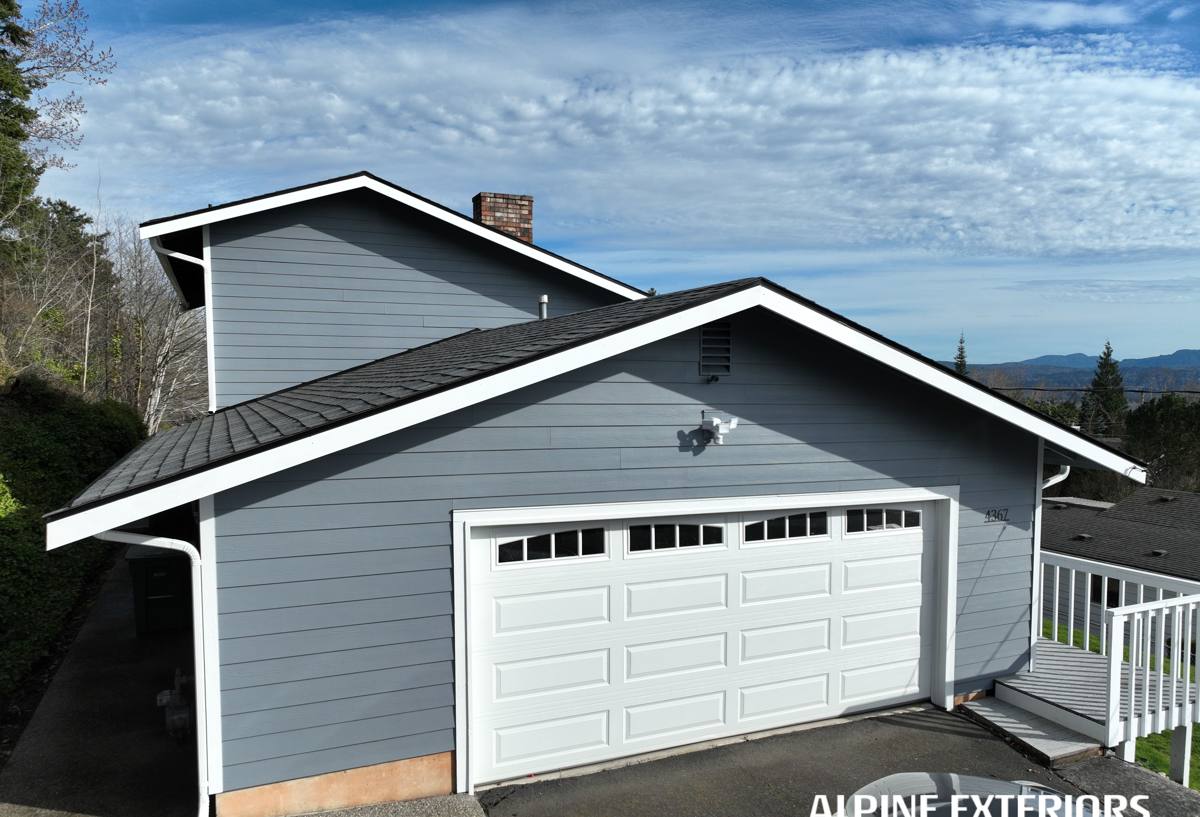
Why Metal Roofing Fits Roser Park's Older Homes
Roser Park is one of St. Petersburg's older, more established residential areas, with a mix of bungalows and early-to-mid-century homes on shaded, tree-lined streets. Homes of this era often have roof decking, framing, and ventilation that were never designed with today's wind codes or attic heat loads in mind. That has two practical effects on a metal roofing project:
- Deck condition matters more than on newer construction. Older plywood or board decking may have hidden rot, delamination, or undersized fasteners that need to be addressed before any new roofing goes on — metal or otherwise.
- Architectural fit is part of the decision. Standing seam and low-profile metal shingle or shake profiles tend to complement older bungalow and cottage rooflines better than bulky, high-relief panel styles, especially on homes with visible rooflines from the street.
None of this makes metal roofing a bad fit for an older home — it's actually a strong option, since metal is lighter than many alternatives, which reduces the load on aging framing. It just means the prep work and panel selection need to be handled by someone paying attention to the house in front of them, not running a one-size-fits-all install.
What a Correct Metal Roof Installation Involves
Deck Inspection and Repair
Every metal roofing job should start with the deck exposed and inspected — not just re-covered. Soft spots, delaminated plywood, and rusted or pulled fasteners get replaced before a single panel goes down. Skipping this step is the single most common cause of early metal roof failure, because a solid panel fastened into a weak deck is only as strong as the wood underneath it.
Underlayment for Wind-Driven Rain
A synthetic or self-adhering underlayment goes down as the roof's real waterproofing layer. In a climate where storms regularly drive rain sideways under panel laps, underlayment quality and coverage — especially at valleys, eaves, and penetrations — matters as much as the metal itself.
Fastening and Wind Rating
Panel fastening pattern, clip spacing, and fastener type all need to match the wind-uplift rating required for the home's location and roof geometry. Pinellas County building code sets minimum requirements for this, and a correct install documents that the fastening schedule actually meets the rating the panel manufacturer specifies — not just "close enough."
Flashing and Penetrations
Chimneys, vents, skylights, and roof-to-wall transitions are where most leaks originate on any roof type, metal included. Properly formed and lapped flashing — not just a bead of sealant — is what keeps these points watertight through repeated wet-dry and heat-cool cycles.
Ventilation
Metal reflects a lot of radiant heat, but the attic still needs proper intake and exhaust ventilation to manage humidity and heat buildup. On older homes, existing ventilation is often undersized or blocked, and a re-roof is the right time to correct it.
Comparing Metal Roofing Panel Types
| Panel Type | Typical Look | Best Fit | Maintenance Notes |
|---|---|---|---|
| Standing Seam | Clean vertical lines, concealed fasteners | Most roof styles, including bungalows | Low; fasteners hidden from UV and weather |
| Exposed-Fastener Panel | Ribbed, visible screws | Budget-conscious projects, outbuildings | Higher; fastener gaskets need periodic checks |
| Metal Shingle/Shake Profile | Mimics shingle or shake texture | Homes wanting traditional appearance | Moderate; more seams than standing seam |
| Stone-Coated Steel | Textured, tile or shake-like | Homes matching a tile-heavy streetscape | Moderate; coating integrity matters over time |
For most Roser Park homes, standing seam is worth serious consideration because its concealed fastener design removes the weakest long-term point on a metal roof — exposed screws and their gaskets, which are the first thing salt air and UV degrade. That said, the right choice depends on the roof's pitch, the home's architectural style, and budget, which is exactly what a proper on-site evaluation is for.
Steel or Aluminum: An Honest Trade-Off
Both steel and aluminum panels can perform well in this climate when properly coated and installed, and we don't push one as universally "better" — each comes with trade-offs worth understanding before you decide.
- Steel is typically stronger per thickness and often more budget-friendly, but it depends entirely on its protective coating to resist corrosion from salt-laden coastal air.
- Aluminum is naturally corrosion-resistant even if a coating is scratched, and it's lighter, which can be an advantage on older framing — but it's generally a higher upfront cost and slightly more prone to denting from impact.
We'll walk through which one makes sense for your specific roof, budget, and how close your lot sits to open water, rather than defaulting to whatever's easiest to sell.
Our Process for a Roser Park Metal Roof Project
1. On-Site Inspection
We walk the roof (or the attic, when access is limited) to assess deck condition, existing ventilation, flashing points, and any storm damage already present. We'll also look at how the home sits relative to tree cover and sun exposure, since both affect material choice.
2. Written Scope and Panel Selection
You get a clear, itemized scope — deck repairs, underlayment, panel type and gauge, flashing details, and fastening specification — before any work starts. No vague line items.
3. Permitting
Metal re-roofs in St. Petersburg require a building permit and inspection. We handle the permit application and coordinate the required inspections so you're not left chasing paperwork.
4. Installation
Deck repair, underlayment, and panel installation happen in sequence, with flashing detail work done as we go rather than rushed at the end. Job-site cleanup, including magnetic sweeps for stray fasteners, happens daily, not just at project close.
5. Final Walkthrough
We review the completed roof with you, confirm all flashing and penetration details, and go over basic care and warranty documentation before considering the job done.
What Drives Cost on a Metal Roofing Project
| Factor | Why It Matters |
|---|---|
| Roof pitch and complexity | Steep or cut-up rooflines with multiple valleys and dormers take longer to flash correctly |
| Deck condition | Rot or delamination found during tear-off adds repair scope not visible from the ground |
| Panel type and material | Standing seam and aluminum generally cost more than exposed-fastener steel panels |
| Existing layers | Removing old roofing versus roofing over it (where code allows) changes labor and disposal costs |
| Ventilation upgrades | Adding or correcting intake/exhaust vents is worth doing during a re-roof, and adds modest cost |
Metal roofing generally carries a higher upfront cost than asphalt shingles, but it also typically lasts multiple shingle-roof lifespans when installed correctly, which changes the real cost comparison over time. We'll give you honest numbers for your specific roof rather than a generic estimate.
Homeowner Maintenance Checklist
A correctly installed metal roof is low-maintenance, not no-maintenance. A few simple habits go a long way in this climate:
- Walk the roofline visually after any major storm and look for lifted panels, dented sections, or displaced flashing
- Keep gutters and valleys clear of leaves and debris, especially under tree cover common in older neighborhoods
- Have flashing and sealant points checked annually, particularly around chimneys and vent penetrations
- Rinse accumulated salt residue and grime off the roof surface periodically if the home is closer to the water
- Address any scratched coating or exposed metal promptly to prevent corrosion from taking hold
Why a Crew That Already Works in Roser Park Matters
A roofing crew that regularly works this part of St. Petersburg brings more than familiarity with the streets. They know how Pinellas County's permitting and inspection process actually runs, they've seen how older Roser Park-area homes typically frame their roof decks, and they understand what wind-uplift documentation local inspectors expect to see. That local track record cuts down on surprises mid-project — fewer permit delays, fewer "we didn't expect that" moments once the old roofing comes off, and a finished job that matches both the code requirements and the character of the neighborhood.
It also means accountability. A crew with an ongoing presence in the area has a reputation to protect with your neighbors, not just with you.
Get a Free, No-Pressure Estimate
If you're weighing metal roofing for a home in Roser Park, we're glad to come take a look, answer your questions honestly, and give you a clear written estimate — no pressure, no obligation. Use the form below to get started.