 St. Petersburg Roofing
 Siding in Roser Park: Older Homes, Coastal Conditions
Roser Park sits close enough to Tampa Bay and the Gulf that every exterior material on a home there is doing double duty: keeping weather out and standing up to a climate that doesn't let up. St. Petersburg homes in this part of Pinellas County deal with high humidity nearly year-round, intense UV exposure, wind-driven rain during summer storms, and salt-laden air that speeds up corrosion and material breakdown on anything not built for it. A lot of the housing stock in and around this neighborhood is older, which means many homes are on their second or third exterior covering already — and the choice made this time matters more than the last one, because the climate hasn't gotten any easier on siding.
This page is about one job in one area: installing siding correctly on a Roser Park home, with the right product and the right process for what this specific climate throws at a house.
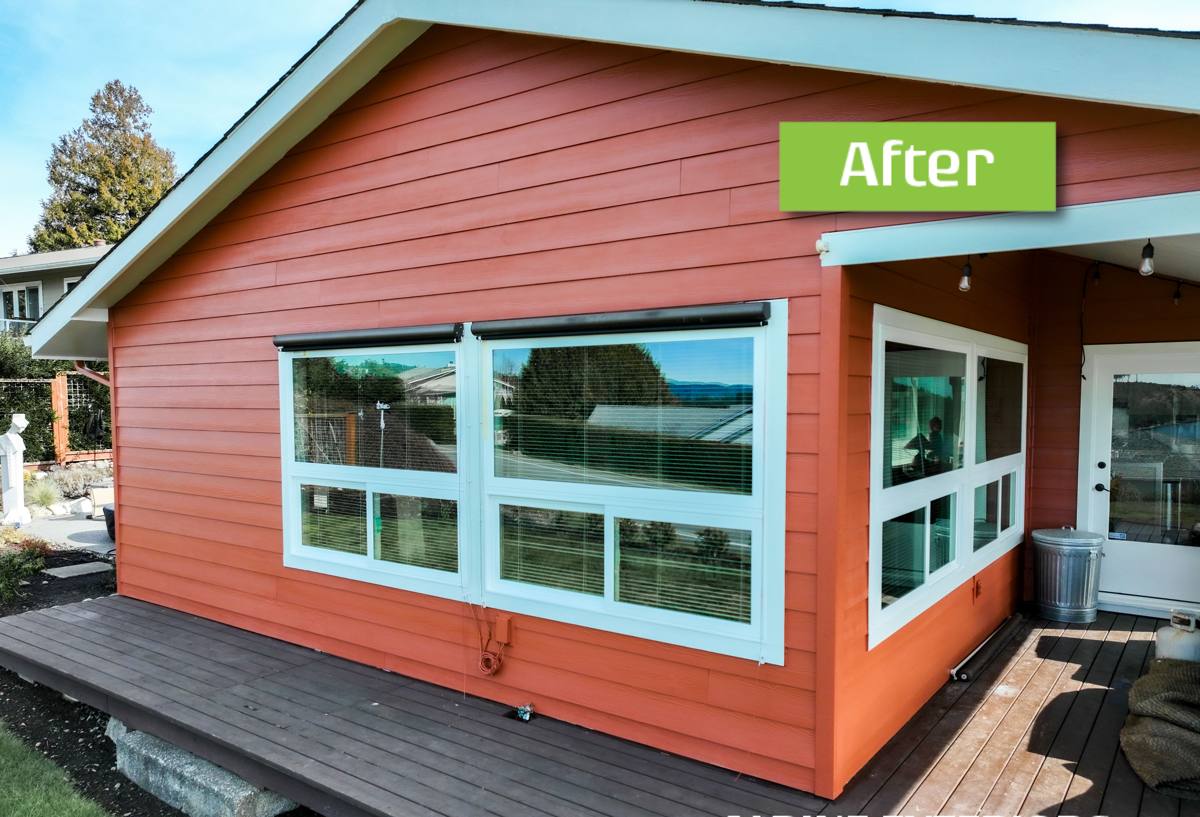
What This Climate Actually Does to Siding
It helps to be specific about the stressors, because they don't all attack a wall the same way.
- Humidity and moisture cycling: Constant moisture in the air means siding and the wall assembly behind it are rarely fully dry. Materials that absorb water or trap it against the sheathing set up conditions for rot and mold over time.
- UV exposure: Central Florida sun is relentless. Paint films chalk, fade, and break down faster here than in most of the country, which is why factory-cured finishes matter more here than in milder climates.
- Wind-driven rain: Tropical storms and hurricane bands don't just drop rain — they push it sideways into seams, laps, and fastener penetrations. A siding system with weak water management will let moisture in behind the cladding.
- Salt air: Proximity to the bay means airborne salt settles on and corrodes exposed metal fasteners, trim, and anything with a weak protective coating.
- Storm wind loads: Hurricane-force gusts put uplift and lateral pressure on siding panels. Fastening pattern and nailing schedule aren't just paperwork — they're what keeps panels on the wall in a real event.
Why We Only Install James Hardie Fiber Cement
We made a decision years ago to stop installing several common siding products, and we explain why openly rather than dodge the question. It's not about brand loyalty — it's about what holds up in exactly the conditions described above.
What We Don't Install, and Why
Vinyl siding softens and can warp under intense, sustained heat and direct sun exposure, and it's a poor match for high wind zones because it isn't designed to be a structural, tightly fastened cladding — panels are meant to float, which works against you in gusty coastal wind. LP SmartSide, Cemplank, and similar engineered-wood or lower-tier fiber cement products vary in how they handle constant moisture exposure; wood-based products in particular are more sensitive to sustained humidity than cement-based ones. Primed spruce and cedar are attractive, traditional materials, but they require an ongoing paint and sealant maintenance schedule to keep water out — a schedule that's harder to keep up with in a climate where UV and humidity are working against the paint film year-round. None of these are "bad" products in every setting. They're just not what we'd put on a home two miles from saltwater and in a hurricane wind zone.
Why Hardie
James Hardie fiber cement is non-combustible, doesn't rot, and doesn't absorb moisture the way wood-based products do. The ColorPlus factory-applied finish is baked on under controlled conditions rather than field-painted, which gives it far better UV and fade resistance than site-applied paint — a real advantage under Florida sun. Hardie also engineers specific product lines (HZ5 for humid climates like ours) rated for the moisture and heat conditions Gulf Coast homes actually face. It carries a strong, transferable limited warranty, and when installed to Hardie's published specifications, it has a long track record of holding up in exactly this kind of climate. That combination — fire resistance, factory-cured color, climate-specific engineering, and a real warranty — is why it's the only siding system we put on homes.
What a Correct Siding Installation Involves
The product is only half the equation. A Hardie installation done wrong will fail in this climate just like anything else. Here's what has to happen for the job to actually perform:
Tear-Off and Substrate Inspection
Old siding comes off and the sheathing underneath gets inspected for rot, water damage, or soft spots — common on older Roser Park homes that have had decades of humidity exposure. Any compromised sheathing gets replaced before anything new goes up. Covering over a damaged substrate just hides a problem that will resurface.
Weather-Resistive Barrier
A proper water-resistive barrier goes over the sheathing, lapped correctly from the bottom up so water sheds outward rather than working its way behind the barrier. This layer is what actually keeps wind-driven rain from reaching the wall assembly if any moisture gets past the siding itself.
Flashing at Every Penetration
Windows, doors, vents, and any wall penetration need proper flashing integrated with the weather barrier. This is the detail that separates a siding job that survives a decade of Gulf storms from one that develops hidden leaks behind the walls within a few years.
Fastening Pattern for Wind Zones
Hardie specifies fastener type, spacing, and placement, and those specs get more conservative in high-wind regions. Pinellas County's wind exposure means following the correct nailing schedule isn't optional — it's the difference between siding that stays put in a tropical storm and panels that come loose.
Proper Clearances and Gaps
Siding needs the correct clearance from rooflines, decks, and grade, and expansion gaps at butt joints and trim per manufacturer spec. Skipping these is one of the most common ways installers create moisture traps that cause problems years down the road.
Caulking and Sealant at Joints
Factory-finished panels still need sealant at seams, corners, and trim intersections. Using the right sealant, in the right places, keeps wind-driven rain from finding its way behind the cladding.
Our Process for a Roser Park Siding Job
- On-site assessment: We walk the home, check the existing siding and sheathing condition, and note trouble spots — deteriorated trim, past water intrusion, areas exposed to prevailing wind and rain.
- Product and color selection: We go over Hardie's plank profiles, panel options, and ColorPlus palette so the finished look fits the home and the neighborhood.
- Written scope and estimate: You get a clear breakdown of what's being removed, what's being replaced or repaired underneath, and what the installation includes — no vague line items.
- Tear-off and substrate repair: Old material comes off, damaged sheathing gets addressed, and the wall is prepped before anything new goes on.
- Weather barrier and flashing installation: Done to spec before a single piece of siding is hung.
- Siding installation: Installed to Hardie's fastening, clearance, and joint specifications for our wind zone.
- Final inspection and walkthrough: We review the finished job with you before calling it done.
Why a Crew That Already Works Roser Park Matters
Siding installation isn't one-size-fits-all across St. Petersburg. A crew that already works this neighborhood knows the general age and construction style of the homes here, has already seen how the local wind exposure and rain patterns affect siding placement and flashing decisions, and isn't learning the area's quirks on your dime. That familiarity shows up in small but real ways — knowing to check certain areas more closely during tear-off, understanding how a home's orientation to prevailing wind affects where extra attention on sealant and flashing pays off, and not treating your home as a generic install.
Cost Factors for a Roser Park Siding Project
Every home is different, so we won't quote a number without seeing the property, but these are the factors that actually move the price:
| Factor | Why It Matters |
|---|---|
| Home size and wall complexity | More square footage, corners, and architectural detail mean more material and labor |
| Condition of existing sheathing | Rot or moisture damage found during tear-off requires repair before new siding goes up |
| Siding profile chosen | Lap siding, panel siding, and trim/accent combinations vary in material and install time |
| Trim and detail work | Windows, corners, and architectural features add labor beyond flat wall runs |
| Access and site conditions | Tight lots, mature landscaping, or multi-story sections affect scaffolding and labor time |
Signs Your Roser Park Home Needs New Siding
- Visible warping, buckling, or separation at seams
- Soft spots when you press on the siding, especially near the bottom of walls
- Peeling or bubbling paint that keeps coming back after repainting
- Persistent moisture, mold, or musty smell along interior walls that back up to exterior siding
- Fading or chalking so severe the original color is hard to tell
- Siding that's original to a home older than 20-25 years, especially wood-based products
Maintenance After Installation
Hardie fiber cement with a ColorPlus finish is low-maintenance compared to wood or repainted siding, but "low-maintenance" isn't "no-maintenance" in this climate. A rinse-down periodically to remove salt residue and airborne grime, a visual check after major storms for any loose trim or sealant gaps, and prompt attention to any caulking that starts to crack will keep the system performing the way it's designed to for decades.
If you're weighing a siding replacement on a Roser Park home, we're happy to come take a look, walk you through what we're seeing, and put together a straightforward estimate — no pressure, no hard sell.