 St. Petersburg Roofing
 Why Board & Batten Fits Seminole Homes So Well
Board and batten siding has become one of the most requested exterior looks in Seminole, and it's easy to see why. The vertical lines and crisp shadow reveals give a home a clean, custom look that stands apart from the lap siding on most of the block, whether the house is a classic Florida ranch, a coastal cottage, or a newer build. It works equally well as a full exterior or as an accent on gables, entryways, and porch areas paired with existing lap siding.
But board and batten is also a style choice with real performance requirements attached to it. The vertical panel-and-strip design has more seams, more fastening points, and more exposed trim edges than horizontal lap siding, which means the material and the installation both have to be right. In a Pinellas County climate, "close enough" installation shows up fast — as streaking, cupping, cracked caulk lines, or battens that pull away from the wall within a few storm seasons.
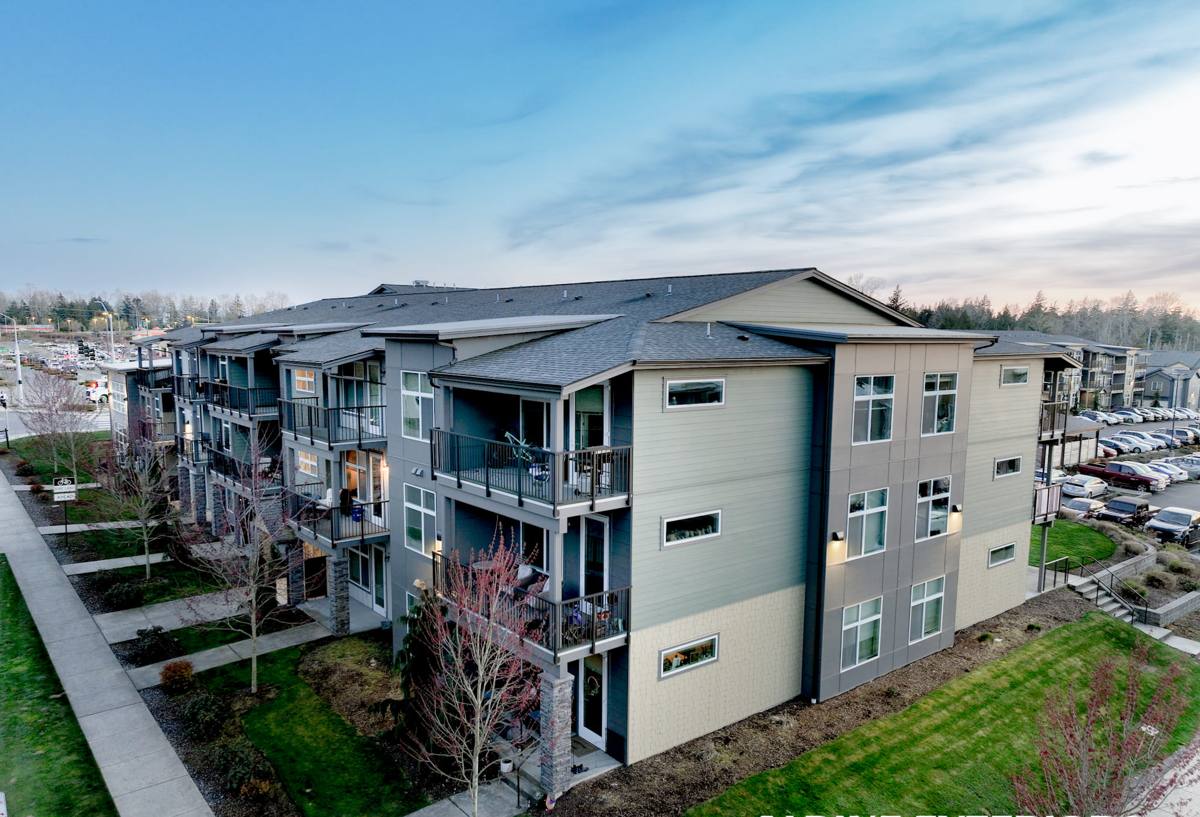
What Pinellas County's Climate Actually Does to Siding
Seminole sits close enough to the Gulf that salt-laden air is a constant, not an occasional issue. Combined with Florida's wind and rain patterns, this creates a specific set of stresses that any siding system installed here has to be able to handle over the long term:
- Hurricane-force wind: Even outside a direct hurricane strike, seasonal tropical systems and strong summer storms put repeated wind-load stress on siding, fasteners, and trim joints.
- Wind-driven rain: Florida storms rarely fall straight down. Rain gets pushed sideways into every seam, corner, and butt joint, which is exactly where board and batten has the most joints to manage.
- Intense, year-round UV: Unlike siding markets with a real winter, Seminole siding gets strong sun exposure essentially every month of the year, which accelerates fading and breakdown of lower-grade finishes and paints.
- Salt air corrosion: Metal fasteners, trim connectors, and flashing near the coast corrode faster than the same materials used inland, which shortens the life of a siding system if the wrong hardware is used.
None of this means siding can't hold up here — it means the product and the installation both have to be chosen with this climate in mind, not adapted from a system designed for a milder region.
Why We Install Board & Batten in James Hardie Fiber Cement Only
We install James Hardie fiber cement exclusively — we do not install vinyl board and batten, LP SmartSide, primed spruce, cedar, or other fiber cement brands. That is a deliberate standard, not a sales preference, and it matters even more for a vertical board and batten profile than it does for standard lap siding.
Vinyl board and batten is lightweight and affordable, but it expands and contracts significantly with Florida's heat, which can telegraph waviness along long vertical panel runs, and it is rated for lower sustained wind exposure than fiber cement in most manufacturer specifications. Engineered wood products can perform well when kept dry, but board and batten's exposed horizontal batten tops and butt joints are demanding spots to keep sealed against wind-driven rain year after year, and any moisture intrusion at those joints is harder to catch early than it is on a flat lap profile. Cedar and primed wood battens require an ongoing repaint and reseal schedule to survive intense UV and coastal humidity — skip a cycle and the wood starts to move, cup, or open at the joints.
James Hardie fiber cement doesn't expand and contract with heat and humidity the way vinyl and wood do, it's non-combustible, and it holds a factory-applied ColorPlus finish that's built to resist Florida's UV load without the repaint cycle. That combination is why it's the only board and batten system we put on Seminole homes.
What a Correctly Installed Board & Batten System Includes
Substrate and Weather Barrier
Before any siding goes up, the wall sheathing gets inspected for soft spots or existing moisture damage, and a code-compliant weather-resistant barrier is installed or verified. This layer is what actually keeps wind-driven rain out of the wall cavity if any water gets past the siding face — skipping or damaging it during install is one of the most common causes of hidden rot behind board and batten walls.
Panel and Batten Layout
James Hardie board and batten looks are built using vertical panels with battens installed over the panel joints at manufacturer-specified spacing. Layout gets planned around window and door openings, corners, and wall length so that battens land evenly and joints are minimized in high-exposure areas like gable ends that take the brunt of wind-driven rain.
Fastening and Flashing
Every panel is fastened per James Hardie's published specifications for the local wind exposure, using corrosion-resistant fasteners appropriate for a coastal environment — this is not the place to use whatever fastener happens to be in the gun. Z-flashing and proper head flashing go in above windows, doors, and any horizontal trim to direct water out and away from the wall rather than behind it.
Finish and Sealant
Cut edges get factory-matched touch-up sealer where required, and joints get the correct sealant rated for exterior movement and UV exposure — not a generic caulk that will crack and open within a year or two of Florida sun.
Our Process for a Seminole Board & Batten Project
- Walkthrough and assessment: We look at the existing wall condition, current siding (if any), problem areas like window returns and gable ends, and talk through the board and batten layout that fits the home.
- Written estimate: A clear scope covering removal (if applicable), substrate repair allowances, materials, and installation — no vague line items.
- Material order and prep: James Hardie panels, trim, and ColorPlus-matched fasteners and accessories are ordered to spec for the project.
- Tear-off and substrate check: Old siding comes off, sheathing is inspected and repaired as needed, and the weather barrier is installed or restored before anything new goes up.
- Installation: Panels, battens, flashing, and trim go in to manufacturer specification, with attention to fastener spacing and sealant details at every joint.
- Final walkthrough: We go over the finished job with the homeowner and address anything before calling it complete.
Board & Batten Material Comparison for Coastal Florida Homes
| Material | Wind & Impact Durability | Coastal/Moisture Behavior | UV & Color Stability | Maintenance Burden |
|---|---|---|---|---|
| James Hardie Fiber Cement | Engineered for high-wind exposure when installed to spec | Non-combustible, dimensionally stable in humidity | Factory ColorPlus finish resists fading | Low — no repaint cycle when properly installed |
| Vinyl Board & Batten | Lower wind rating than fiber cement in most specs | Can warp or bow with heat cycling | Colors fade and chalk over time in intense sun | Low upfront, but panels can crack or bow with age |
| Engineered Wood (LP-type) | Solid when dry and installed correctly | Vulnerable at exposed joints if moisture gets in | Painted finish, fades and needs recoating | Moderate — depends heavily on joint maintenance |
| Cedar / Primed Wood | Good structurally, but softer material | Absorbs moisture, can cup or split without upkeep | Requires repainting/resealing on a regular cycle | High — ongoing repaint and seal schedule |
Maintenance: What Board & Batten Actually Needs After Installation
Correctly installed James Hardie board and batten is low-maintenance, not no-maintenance. A simple annual routine keeps it performing the way it's designed to in a salt-air, high-UV climate:
- Rinse the exterior once or twice a year with a garden hose to clear salt residue and airborne grime — a pressure washer isn't necessary and can damage caulk lines if used carelessly.
- Walk the exterior after major storms and check trim joints, corners, and any caulked seams for cracking or separation.
- Keep sprinklers and irrigation heads aimed away from the siding — constant wetting at the base of the wall shortens the life of any siding system.
- Trim back shrubs and landscaping so air can circulate along the wall and battens dry out after rain.
- Have any small caulk cracks or fastener issues addressed promptly rather than waiting — small gaps are cheap to fix and expensive to ignore in wind-driven rain.
What Affects the Cost of Board & Batten Siding in Seminole
Every home is different, so we don't quote pricing sight unseen — but these are the main factors that move a board and batten project up or down:
| Factor | Why It Matters |
|---|---|
| Wall condition underneath existing siding | Rotten sheathing or hidden moisture damage adds repair scope before new siding can go on |
| Amount of trim and batten detail | Board and batten has more linear trim and more labor per square foot than flat lap siding |
| Home shape and wall height | Gables, dormers, and multi-story walls take more time to layout and access safely |
| Full replacement vs. accent application | A full-exterior job differs significantly in scope from a gable or entry accent |
| Color and trim selection | ColorPlus factory finishes vs. field-painted trim affect material and labor |
The only reliable way to get an accurate number is a walkthrough of the actual home, which is what our free estimate is for.
Why Hiring a Crew That Already Works in Seminole Matters
Board and batten installed to a generic national spec doesn't automatically hold up to a Pinellas County summer. A crew that regularly works in and around Seminole already knows which wall orientations take the worst wind-driven rain, how local wind exposure factors into fastening schedules, and what inspectors here expect to see on a permit for exterior siding work. That local familiarity shows up in fewer surprises during the job and fewer callbacks after the first big storm season — because the details that actually matter in this climate were built in from the start, not figured out after something went wrong.
If you're weighing board and batten for a home in Seminole, we're happy to walk the exterior with you, talk through layout options, and give you a straightforward, no-pressure estimate using the form below.