 St. Petersburg Roofing
 Deck Building in Seminole: Built for the Weather You Actually Get
Seminole sits close enough to the Gulf that salt-laden air reaches every yard in town, and far enough inland that homeowners still expect a deck to hold up through a full Florida summer of afternoon storms and blistering UV. A deck here isn't just an outdoor living space — it's a structure that has to survive hurricane-force wind loads, near-daily rain during the wet season, and sun exposure that will break down the wrong materials in a few short years. When we build a deck for a Seminole property, we're building it for those specific conditions, not for a generic "outdoor deck" spec sheet.
That distinction matters more than most homeowners realize until they've already replaced a deck once. Fasteners rust, ledger boards rot where they meet the house, and boards cup or crack under UV stress — all preventable with the right materials and the right detailing from day one.
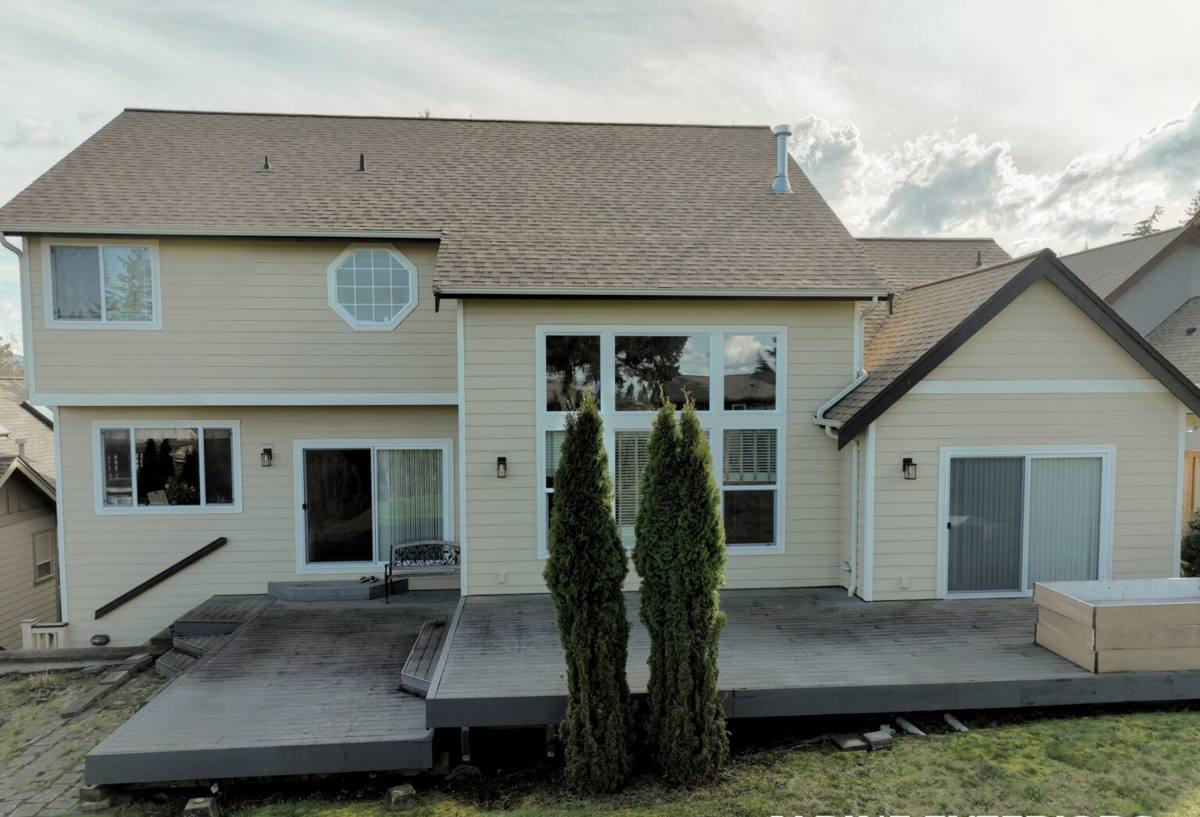
What Pinellas County Climate Demands From a Deck
Wind and Storm Loading
Seminole is within Pinellas County's hurricane-exposed wind zone, which means deck framing, post connections, and railing systems need to meet wind-load requirements well above what you'd see in most of the country. Undersized joist hangers, missing hurricane ties, or posts that aren't properly anchored to footings are common failure points we see on older decks — they may have passed a casual inspection years ago, but they weren't built to current wind standards.
Wind-Driven Rain and Moisture
Florida rain doesn't fall straight down — wind pushes it sideways, into ledger connections, under railing posts, and into any gap where water can pool instead of drain. A deck built without proper flashing at the house connection, or without gapping between boards for drainage, will trap moisture and start rotting from the inside long before the surface shows any damage.
UV and Heat
Year-round sun exposure in this part of Florida is intense. Wood decking that isn't properly sealed and maintained will gray, splinter, and check within a couple of seasons. Composite decking that isn't rated for high-UV climates can fade unevenly or become soft underfoot in peak summer heat. Material choice has to account for sun exposure that's simply harsher than what most decking products are tested for in cooler regions.
Salt Air Corrosion
Being near the Gulf means salt air travels further inland than people expect, and it accelerates corrosion on anything metal — fasteners, brackets, railing hardware. Standard hardware store fasteners will rust and stain decking boards within a year or two in this environment. This is one of the most common corner-cutting mistakes we see on decks built by out-of-town or inexperienced crews.
What a Correctly Built Deck Includes
A deck that's actually built for Seminole's climate isn't complicated, but it does require getting a handful of details right that are easy to skip.
- Stainless steel or coated, corrosion-resistant fasteners and hardware rated for coastal exposure
- Proper ledger board flashing and house-connection waterproofing to stop wind-driven rain intrusion
- Hurricane ties, rated joist hangers, and post-to-footing connections engineered for current Pinellas County wind loads
- Concrete footings sized and set to local frost-free, high-wind requirements
- Board spacing and substructure ventilation that allows water to drain and wood to dry between rain events
- Decking material matched to the homeowner's maintenance expectations and sun exposure on that specific lot
- Permit and inspection compliance with the local building department, not just a handshake build
Skipping any one of these doesn't necessarily show up right away. It shows up two or three years later as soft framing, rusted-through brackets, or a deck that fails inspection when the home goes up for sale.
Decking Material Options for Seminole Homes
There's no single "best" decking material — the right choice depends on budget, how much upkeep a homeowner wants to take on, and how exposed the deck is to direct sun and rain. We walk through these trade-offs honestly rather than pushing whatever has the best margin.
| Material | Upfront Cost | Maintenance | Coastal/UV Performance |
|---|---|---|---|
| Pressure-treated pine | Lowest | Annual sealing/staining recommended | Needs consistent upkeep to resist Florida sun and moisture cycling |
| Tropical hardwoods | Higher | Periodic oiling to maintain color | Naturally dense and rot-resistant; handles humidity well |
| Capped composite | Higher | Low — occasional cleaning | Strong UV and moisture resistance when rated for high-heat climates |
| PVC decking | Highest | Lowest | Fully synthetic; resists moisture and salt exposure well, stays cooler than some composites |
We steer homeowners away from uncapped composite products in this climate specifically because of moisture absorption at cut edges and fastener points — it's not that the product is bad everywhere, it's that Pinellas County's combination of humidity, heat, and salt air exposes its weak points faster than drier climates would.
Our Deck Building Process
1. On-Site Assessment
We look at sun exposure, drainage on the lot, proximity to the water, existing structure (if replacing a deck), and how the homeowner actually plans to use the space — entertaining, grilling, a quiet spot for morning coffee — because that shapes size and layout decisions.
2. Design and Material Selection
We walk through decking, railing, and hardware options with real trade-offs laid out — cost, maintenance, and how each performs under Pinellas County sun and storms — so the homeowner picks a deck that fits their budget and their tolerance for upkeep.
3. Permitting
Decks in Seminole require permitting and inspection through the local building department. We handle that process rather than leaving it to the homeowner, and we build to pass inspection the first time, not to scrape by.
4. Framing and Structural Work
Footings, posts, ledger attachment, and joist framing go in with wind-rated hardware and proper flashing. This is the stage that determines whether the deck is still solid in ten years or starting to fail in three.
5. Decking, Railing, and Finish Work
Boards go down with proper spacing for drainage and expansion, railing is set to code height and spacing, and all hardware gets a final check for corrosion resistance before we call the job done.
6. Final Walkthrough and Inspection
We walk the finished deck with the homeowner, confirm it passes the local building department's inspection, and go over any maintenance the chosen material needs going forward.
Repair, Replacement, or New Build
Not every deck problem means starting over. Sometimes a deck's framing is sound and it just needs new decking boards, hardware upgrades, or better ledger flashing to stop water intrusion. Other times — especially with older wood decks that have seen years of Gulf-area sun and storms without much upkeep — the framing itself has degraded to the point that repair costs approach what a rebuild would cost, and a rebuild gets you a structure built to current wind-load standards instead of whatever code applied decades ago.
We give homeowners a straight answer on which situation they're in rather than defaulting to whichever option costs more.
Signs Your Existing Deck Needs Attention
- Soft or spongy spots underfoot, especially near the house connection
- Rust staining around fasteners or visible corrosion on brackets and hangers
- Boards that have cupped, cracked, or pulled away from framing
- Railing posts that wiggle or feel loose when pushed
- Gaps or separation where the deck meets the house ledger
- Standing water that doesn't drain after rain
Any of these on their own might be minor. Several together usually means it's time for a full evaluation before the next storm season tests the structure for you.
Why Hire a Crew That Already Works in Seminole
A deck built to a generic national spec sheet isn't necessarily a deck built for this specific stretch of Pinellas County. Crews who regularly work Seminole and the surrounding St. Petersburg area already know which fastener grades hold up against the local salt air, which decking materials actually perform under Gulf-coast UV exposure rather than just marketing claims, and what the local building department expects at inspection. That familiarity shows up in fewer surprises during permitting, fewer callbacks for premature wear, and a deck that's actually sized and detailed for the wind loads this area sees.
It also means we're not learning the local building department's requirements on your project — we already know them, which keeps the permitting and inspection process moving instead of stalling on avoidable mistakes.
Get a Straightforward Estimate
If you're planning a new deck, replacing one that's showing its age, or just want an honest read on whether your current deck needs repair or replacement, we're happy to take a look. Use the form below to request a free, no-pressure estimate for your Seminole property.