 St. Petersburg Roofing
 Why Shore Acres Homes Are Hard on Siding
Shore Acres sits along the water on the northeast side of St. Petersburg, and that location cuts both ways. It's one of the more desirable settings in Pinellas County, but a canal-front or bay-adjacent lot puts a home's exterior through more than a house a mile inland ever sees. Salt-laden air moves off the water and settles on every exterior surface, humidity stays high nearly year-round, and afternoon storms roll in fast and hard through the warmer months. Add in the wind gusts that come with a strong tropical system and it's easy to see why siding in this neighborhood works harder than the manufacturer's brochure photo suggests.
Low-lying waterfront ground here also means homes see more standing water and splash-back at the base of exterior walls during heavy rain events than a home on higher, inland ground. That combination — constant salt exposure, sustained humidity, wind-driven rain, and occasional water at grade — is exactly the profile that separates siding that looks good in a showroom from siding that actually holds up on a Shore Acres exterior wall for the next twenty years.
Why Board & Batten Fits This Neighborhood
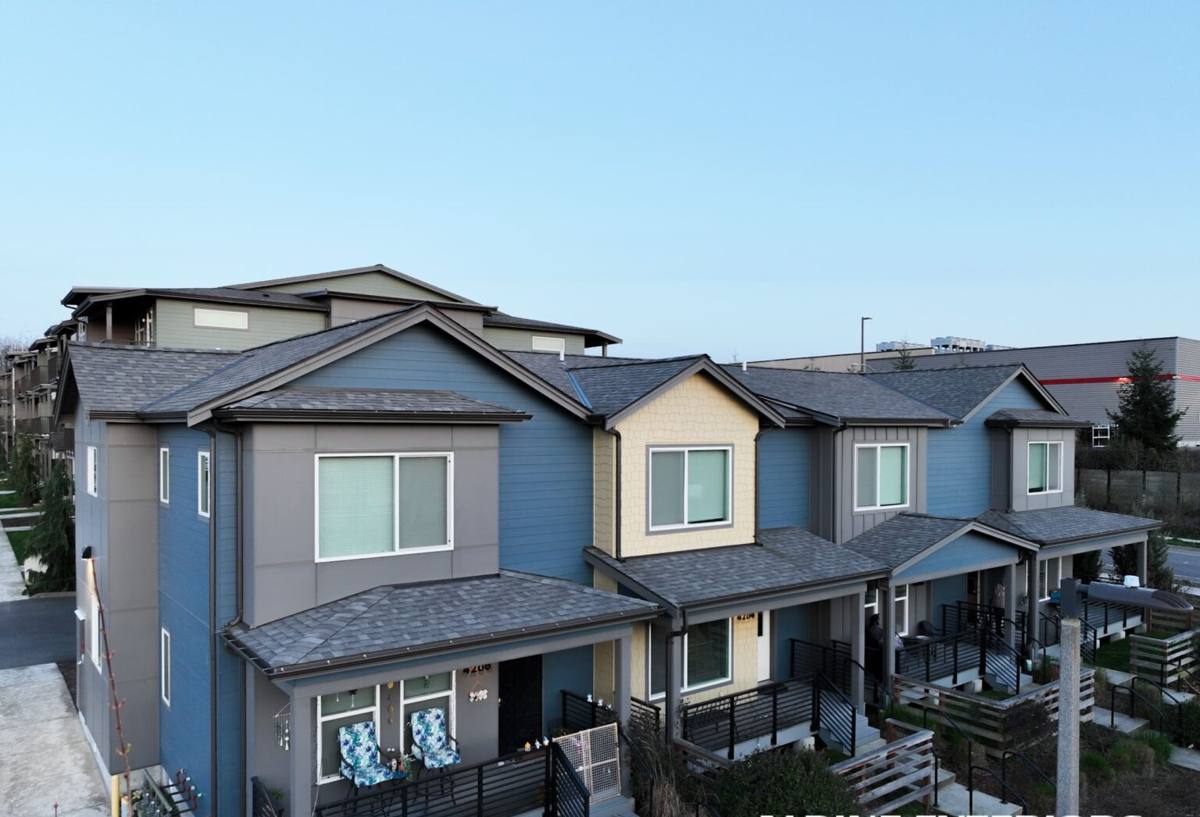
Board and batten is a good match for the coastal and Florida vernacular styles common along the water in St. Petersburg. The vertical board-and-strip pattern reads as clean and substantial, works well as a full-elevation treatment or as an accent on gables, dormers, and porch walls, and pairs naturally with the horizontal lap siding many Shore Acres homes already carry. Done well, it adds real architectural character instead of just changing the texture of the wall.
But the same wind and salt exposure that make this an appealing look also make it an unforgiving one if the material or the installation is wrong. Vertical joints, batten strips, and the seams where board meets batten all create more edges and fastening points than a plain lap job — every one of those details is a place where wind-driven rain or ongoing UV exposure can find a weakness if it isn't handled correctly the first time.
Why We Only Install James Hardie for This Application
We install James Hardie fiber cement exclusively — we don't offer vinyl board and batten, LP SmartSide, Cemplank, Allura, or primed wood species like spruce or cedar for this or any siding job. That's a deliberate standard, not a sales preference, and it matters more in a neighborhood like Shore Acres than almost anywhere else in the city.
Vinyl board and batten is inexpensive and low-maintenance, but it's a thin plastic product that softens and can distort in direct Florida sun over time, and it relies on interlocking panels that have less resistance to sustained hurricane-force gusts than a fastened fiber cement board. Engineered wood products like LP SmartSide use a wood-strand core that performs well in many climates but depends on an unbroken factory coating and careful field sealing of every cut edge to keep moisture out — a tall order in a humid, salt-air waterfront environment where the margin for a missed edge is small. Primed wood siding needs the homeowner to stay ahead of repainting and edge sealing indefinitely, which is a real ongoing cost even when the upfront price looks attractive.
James Hardie fiber cement is non-combustible, doesn't rely on a coating alone to keep moisture out of its core, and is manufactured in HZ5 formulation specifically engineered for the higher humidity and moisture exposure of Gulf Coast climates like ours. The factory-applied ColorPlus finish is baked on under controlled conditions and backed by its own finish warranty against fading and peeling — a meaningful advantage in a location that gets constant sun and salt spray. That combination of performance and a real transferable warranty is why it's the only product we put on a Shore Acres home.
Comparing the Options Homeowners Usually Consider
| Material | Salt Air / Moisture Behavior | Wind Performance | Long-Term Upkeep |
|---|---|---|---|
| James Hardie fiber cement (HZ5) | Engineered for humid coastal climates; core resists moisture damage | Rigid, fastened installation rated for high-wind zones | Repaint only if desired; ColorPlus finish is warrantied |
| Vinyl board & batten | Won't rot, but seams and panels can loosen with age | Can distort or blow off in sustained high gusts if not rated correctly | Low upkeep but limited repair options if damaged |
| Engineered wood (LP SmartSide) | Vulnerable at cut edges and joints if sealing isn't perfect | Generally solid when installed correctly | Requires vigilant edge and joint maintenance in humid air |
| Primed wood (spruce/cedar) | Absorbs moisture readily; prone to swelling and rot near grade | Adequate, but the material itself is the weak point | Ongoing repainting and edge sealing required |
What Correct Board & Batten Installation Actually Involves
The product is only half the equation. How it goes on the wall determines whether it performs for two decades or starts showing problems in three years. On a Shore Acres home, we pay particular attention to a few things that matter more here than they would inland:
- Proper clearance between the bottom of the siding and grade, hardscape, or roofing to keep splash-back and standing water away from the material's edge
- A drainage plane or rain screen behind the siding so any moisture that does get past the surface has somewhere to go instead of sitting against the wall sheathing
- Correct fastener type, spacing, and penetration depth — under-driven or overdriven fasteners are one of the most common causes of early siding failure
- Sealed and properly lapped flashing at every window, door, and penetration, since wind-driven rain during a storm finds gaps that light rain never would
- Batten strip spacing and fastening set to the manufacturer's specification, not "eyeballed," since battens carry real wind load in a gusty waterfront setting
- Factory-primed or factory-finished cut edges sealed in the field per Hardie's installation guidelines wherever a board is trimmed on site
Every one of those details is inspectable, and every one of them is the kind of thing that's invisible once the siding is up — which is exactly why it has to be done right the first time rather than caught later.
Our Process for a Shore Acres Siding Project
We start with an on-site assessment of the existing wall assembly, not just the visible siding — what's underneath matters as much as what's going back on. From there we walk through material selection within the Hardie lineup, review the wind and building code requirements that apply to Pinellas County waterfront construction, and handle the permitting that goes with it. Installation follows the sequence above: prep and moisture barrier first, then fastening, flashing, and batten work, with cleanup and a final walkthrough once the job is complete. We keep the homeowner informed of each stage rather than disappearing until the invoice.
Keeping Board & Batten Siding Performing Over Time
Fiber cement is low-maintenance, not no-maintenance. A simple seasonal routine keeps a Shore Acres exterior performing the way it was installed to:
- Rinse salt residue and airborne grime off the siding periodically, especially on elevations facing open water
- Walk the exterior after any major storm to check for loose battens, damaged trim, or compromised caulking around windows and doors
- Keep gutters and downspouts clear so runoff doesn't sheet down the wall face or pool at the base of the siding
- Trim back landscaping and irrigation spray that keeps a section of wall damp longer than the rest of the house
- Have caulking and sealant joints inspected every few years, since UV and salt air break down sealants faster here than in a drier inland climate
Why Local Experience Matters in a Neighborhood Like This
A crew that primarily works inland subdivisions doesn't automatically know how to size up a waterfront lot in a flood-prone St. Petersburg neighborhood, what the county expects for wind-rated fastening on a canal-front exterior, or how quickly salt air can undo a job that wasn't detailed correctly. We work throughout Pinellas County, including Shore Acres, and that regular exposure to waterfront and near-shore properties shapes how we spec and install every job here — grade clearances, flashing details, and fastening schedules get treated as non-negotiable rather than optional upgrades.
If you're weighing a board and batten refresh, a full re-side, or you're just not sure what your current siding needs, we're glad to take a look and talk through it honestly. Reach out for a free, no-pressure estimate — there's a form right below to get started.