 St. Petersburg Roofing
 Building Decks That Actually Hold Up in Shore Acres
Shore Acres is one of St. Petersburg's canal-front neighborhoods, which means a lot of homes here back up to open water or a canal running out toward Tampa Bay. That's a great setting for a deck, but it's also one of the toughest environments in Pinellas County to build one in. Between the salt-laden air coming off the water, the intense year-round Florida sun, wind-driven rain during storm season, and the hurricane-force gusts that come through every few years, a deck built to "standard" specs will show its age fast here. A deck built with this specific climate in mind can go the distance instead.
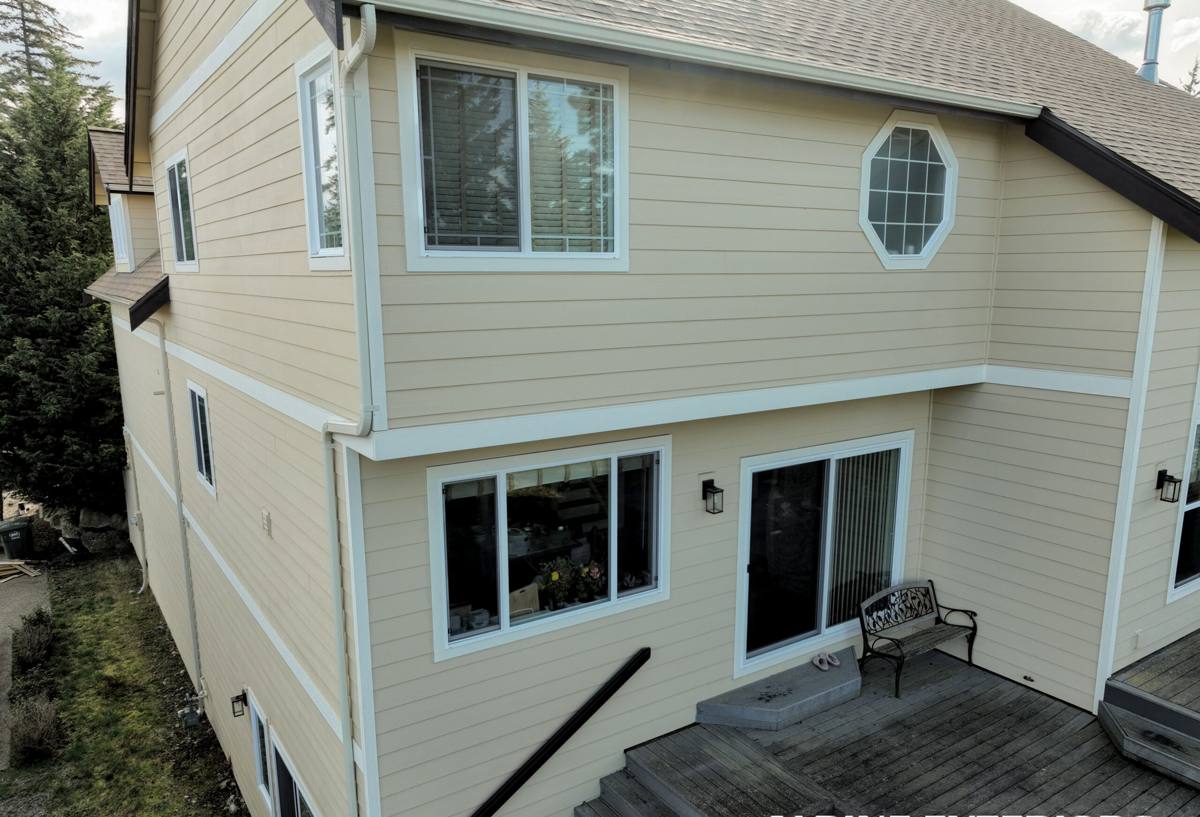
This page is about one job in one neighborhood: new deck construction for Shore Acres homes. Not a general overview of decks everywhere — what actually matters when the backyard in question is a few hundred feet from saltwater.
What Shore Acres' Climate Does to an Outdoor Deck
Salt Air and Corrosion
Homes near the water in St. Petersburg deal with airborne salt whether or not the deck ever gets rained on. Salt accelerates corrosion on any exposed metal — fasteners, joist hangers, post bases, railing hardware — and it doesn't take long for standard-grade hardware to start rusting, staining the wood or composite around it, and eventually failing structurally. This is the single biggest difference between building a deck here versus building one further inland.
Sun and UV Exposure
Pinellas County gets strong, direct sun for most of the year. UV breaks down the surface fibers of wood decking and fades or chalks lower-grade composite over time. Decking that isn't rated for heavy UV exposure will gray, splinter, or fade unevenly well before its expected lifespan is up, especially on the sides of a house that get full afternoon sun.
Wind-Driven Rain and Standing Water
Afternoon storms in this area don't fall straight down — wind pushes rain sideways and under railings and fascia boards. Decking, framing, and connection points need to shed water fast and dry out completely between storms. Anywhere water can pool or get trapped against wood is where rot starts, usually out of sight until it's already a problem.
Hurricane Wind Loads
St. Petersburg sits in a high-wind zone under the Florida Building Code, and Pinellas County enforces those wind load requirements on new deck construction. A deck attached to the house has to resist uplift and lateral loads from hurricane-force gusts, not just support the weight of people standing on it. That affects everything from how the ledger board is attached to the house down to the spacing of the joist hangers.
Choosing a Decking Material for This Environment
There's no single "best" decking material — there's a best material for this climate and this budget. Here's how the common options actually perform near saltwater in Pinellas County:
| Material | Salt Air Resistance | Sun/UV Behavior | Maintenance | Typical Lifespan |
|---|---|---|---|---|
| Pressure-treated pine | Fair — needs sealed hardware and regular sealing | Fades and grays without upkeep | Annual cleaning/sealing recommended | 10–15 years with upkeep |
| Tropical hardwood (e.g., ipe) | Good — naturally dense and rot-resistant | Fades to gray over time unless oiled | Periodic oiling to hold color | 20–25+ years |
| Capped composite | Very good — doesn't absorb moisture or salt | Holds color well with quality capstock | Occasional washing, no sealing | 25–30 years, warrantied |
| PVC decking | Excellent — fully synthetic, won't rot or corrode internally | Very stable in full sun | Lowest maintenance of the group | 25–30+ years, warrantied |
We don't push one material on every homeowner. A pressure-treated deck that gets sealed on schedule can still serve a Shore Acres home well for a decade-plus at a lower upfront cost. What we won't do is install a low-grade composite or skip stainless hardware on a job near the water just to hit a lower price — that's the kind of shortcut that turns into a homeowner's problem in year three, and it's not how we build.
What a Correctly Built Deck Involves Below the Surface
Most of what determines whether a deck lasts in this environment is invisible once the job is finished. It's worth knowing what should be happening under the decking boards.
Footings and Framing
Footings need to be sized and set to local code depth, which matters more in areas with sandy or fill soil common near the water. Framing lumber should be rated for ground contact or exposure as appropriate, and joist spacing needs to account for both the decking material chosen and the wind uplift requirements for this zone.
Fasteners and Hardware
This is where corner-cutting shows up first near saltwater. Standard galvanized fasteners can start corroding within a few years this close to the Gulf. Stainless steel — or at minimum a high-grade coated fastener rated for coastal/salt exposure — belongs on every structural connection: joist hangers, post bases, ledger bolts, and railing brackets.
Ledger Attachment and Waterproofing
The ledger board — where the deck attaches to the house — is the single most important structural connection and the most common failure point on older decks. It needs proper flashing to keep water from getting behind the siding or into the house framing, and lag bolts or through-bolts sized for the wind loads this area requires, not just screws.
Railings and Code Compliance
Florida Building Code sets minimum railing heights and baluster spacing for decks above a certain height, and those requirements get enforced at inspection. Railings also take direct wind and salt exposure, so hardware and post attachment matter just as much here as anywhere else on the structure.
Permits and Building Code in St. Petersburg
New deck construction in the city of St. Petersburg requires a building permit, and Pinellas County's adopted wind speed requirements apply to the structural design. Homes in Shore Acres, being close to the water, may also fall under flood zone requirements that affect things like minimum elevation for structures attached to the house or restrictions near the shoreline — this varies by specific property, so it's worth having it checked rather than assumed. A licensed contractor pulls the permit, builds to the approved plans, and gets the work inspected at the required stages so the deck is documented and code-compliant, which also matters later for insurance and resale.
Our Deck Building Process
- Site assessment. We look at sun exposure, wind exposure, soil conditions, drainage, and how close the deck will be to water or salt spray, then walk through material options that fit the site and the budget.
- Design and layout. We plan the footprint, framing layout, and railing design around how the space will actually be used, along with any elevation or flood zone requirements that apply to the property.
- Permitting. We handle the permit application and engineering documentation with the city and county so the structure is approved before work starts.
- Footings and framing. Footings are set to code depth, and framing goes in with corrosion-resistant hardware throughout.
- Decking and railings. Decking is installed per the manufacturer's fastening specs, and railings go in to meet code height and spacing requirements.
- Inspection and walkthrough. The deck gets inspected at the required stages, and we walk the finished job with the homeowner before calling it done.
Maintenance Shore Acres Homeowners Should Plan For
Even the right materials installed correctly still need some upkeep in this environment. What that looks like depends on the material, but the basics are the same:
- Rinse salt residue and debris off the deck surface periodically, especially after storms with wind off the water
- Check hardware and railing connections once a year for early signs of corrosion or loosening
- Reseal or re-oil wood decking on the schedule the material calls for — don't wait until it visibly grays
- Keep gutters and drainage clear so water isn't dumping onto or under the deck
- Clear leaves and organic debris from between boards where moisture can get trapped
- Have the structure looked at after any major storm, even if nothing looks obviously wrong
Why Hiring a Crew That Already Works in Shore Acres Matters
A contractor who builds decks all over the county but rarely works this close to the water may not default to stainless hardware, may not think about flood zone requirements until the permit gets kicked back, and may not have a clear answer for how a specific spot handles wind-driven rain. A crew that already works in Shore Acres regularly has been through the city's permitting process for this exact kind of property, knows what inspectors here are checking for, and builds with the salt air and storm exposure as a starting assumption instead of an afterthought. That familiarity shows up less in what gets said during the sales conversation and more in what's still holding up five and ten years later.
Get a Free Estimate
If you're planning a new deck for a Shore Acres home, we're glad to come take a look, walk the site, and put together a straightforward estimate — no pressure, no obligation. Use the form below to get started.