 St. Petersburg Roofing
 Siding Built for an Older Neighborhood on the Water
Old Southeast sits close enough to Tampa Bay that salt air, wind-driven rain, and intense sun are part of daily life for every home in the neighborhood. Add in the fact that many houses here were built decades before modern siding materials existed, and you have a specific combination of problems: original wood siding that has been patched and repainted for generations, layers of trim that were never designed for today's storm codes, and a housing stock where curb appeal and historic character matter as much as function.
We install siding on homes in this neighborhood regularly, and the calls we get are consistent — cracked and cupping wood boards, paint that won't hold anymore no matter how often it's redone, soft spots near the ground and around windows, and owners who want the house to look right for its age while actually holding up to a Pinellas County summer. This page covers what that job actually involves.
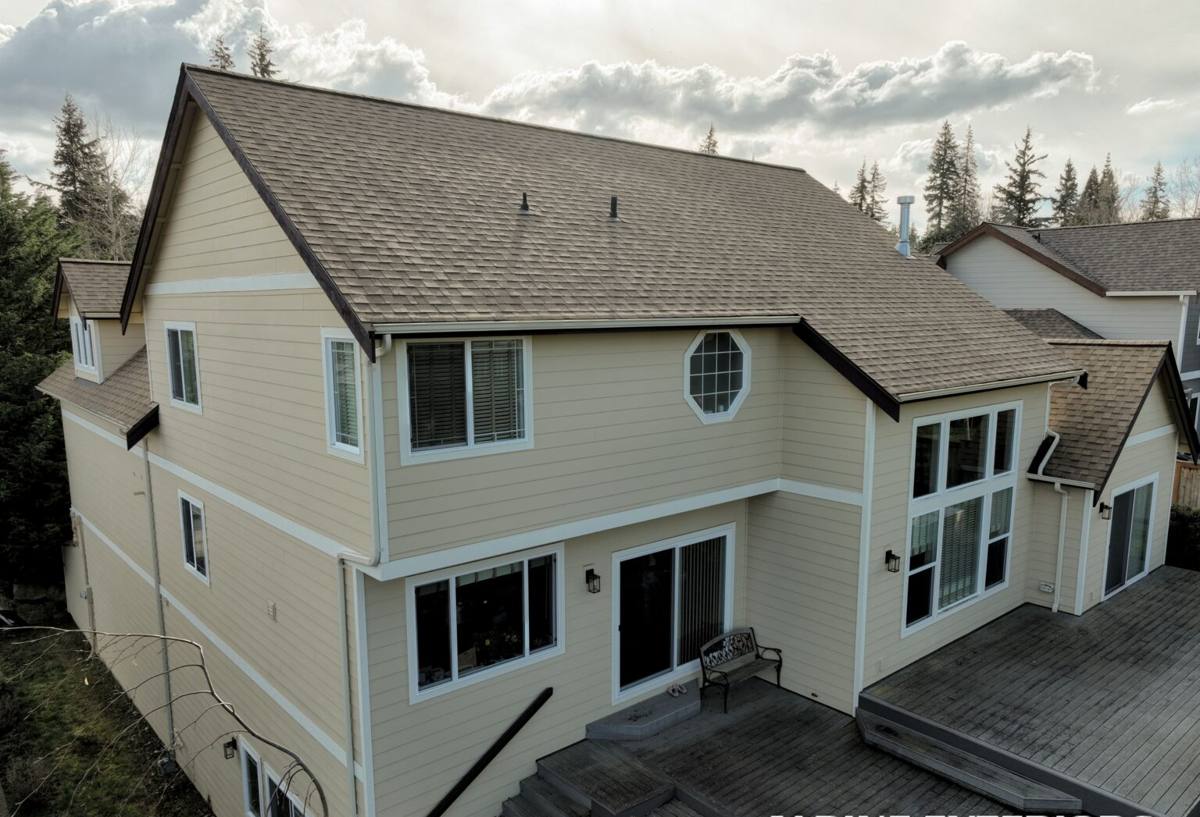
What Pinellas County Weather Does to Older Siding
St. Petersburg doesn't get one kind of weather stress — it gets several, all at once, for most of the year.
- Hurricane-force wind: Loose boards, weak fastening, and old nail patterns become the first thing to fail when a named storm pushes through the bay area. Wind gets under lifted edges and peels siding from the bottom up.
- Year-round UV: Florida sun bakes paint and wood fiber even in months with no storms at all. Older wood siding chalks, checks, and loses its finish faster here than almost anywhere else in the country.
- Wind-driven rain: Rain in this area rarely falls straight down. It's pushed sideways into wall assemblies, which is exactly where original construction details on an older home tend to be weakest — around window trim, at corner boards, and where old caulk joints have failed.
- Salt air: Being this close to the water means airborne salt settles on every exterior surface. It accelerates corrosion on fasteners and trim hardware and breaks down paint film faster than inland exposure.
None of this is unique to any one house in the neighborhood — it's the baseline every home here is working against, and it's why a siding job that would hold up fine forty miles inland can fail early on a home a few blocks from the bay.
The Specific Challenge of Siding an Older Home
What's usually underneath
Homes in older St. Petersburg neighborhoods were typically built with wood-frame construction and, over the decades, have often seen multiple rounds of repair, re-siding, or paint buildup. Before any new siding goes on, that history matters — old fasteners, inconsistent sheathing condition, and moisture that may have been trapped behind previous layers all need to be assessed, not covered up.
Matching the character of the house
Part of what makes these neighborhoods worth preserving is the look of the original construction — board width, reveal (the amount of each board exposed), trim proportions, and corner details. A siding installer who doesn't pay attention to those details can technically finish the job and still leave a house that looks wrong for its age and style. Getting this right means matching board exposure and trim dimensions to what the house originally had, not just installing whatever's fastest.
Working around existing structure
Older homes often have settling, minor framing irregularities, and trim details (window casings, fascia, soffit returns) that require more hand-fitting than a new-construction install. This is slower work than siding a house built last year, and it should be priced and scheduled that way.
Why We Only Install James Hardie Fiber Cement
We install James Hardie fiber cement siding exclusively. We don't install vinyl, LP SmartSide, primed wood, cedar, or other fiber cement brands, and on a job like this — an older coastal home in a hurricane-exposed neighborhood — the reasons are direct:
- Non-combustible: Fiber cement doesn't feed a fire the way wood-based products can, which matters on older homes with mature landscaping and close-set lots.
- Engineered for this exact climate: Hardie's HZ5 product line is formulated for high-humidity, high-moisture regions like the Gulf Coast, with resistance to moisture-related damage that generic or wood-based siding doesn't offer.
- ColorPlus factory finish: The finish is baked on at the factory under controlled conditions, rather than field-applied paint that has to cure in Florida humidity and then survive UV exposure on its own. It holds color and resists fading far longer than repeated field painting.
- Profile options that respect older homes: Hardie makes lap siding, shingle-style panels, and board-and-batten profiles with reveals and textures that can be matched to traditional wood siding, which matters when the goal is to keep a historic-feeling street looking the way it should.
- A real warranty backing the work: Hardie's transferable warranty is a meaningful commitment from the manufacturer, not a marketing line, and it stays with the house if it's sold.
We've made fiber cement — specifically Hardie — our standard because the alternatives all ask a homeowner to accept some combination of shorter service life, more field maintenance, or moisture vulnerability in a climate that doesn't forgive shortcuts. On a coastal, storm-exposed, older home, that trade-off isn't worth it.
What a Correct Installation Actually Involves
Siding failures in this area are rarely a defect in the material — they're almost always an installation problem. Hardie publishes detailed installation requirements for a reason, and skipping steps is what leads to moisture intrusion, premature paint failure, or wind damage down the road.
- Sheathing and framing inspection. Before any new siding goes up, the wall structure underneath has to be checked and repaired. Installing over soft or damaged sheathing just hides a bigger problem.
- Weather-resistive barrier. A proper moisture barrier goes over the sheathing before siding installation — this is the layer that actually keeps wind-driven rain out of the wall assembly, and it's non-negotiable in this climate.
- Flashing at every penetration. Windows, doors, hose bibs, vents, and any other wall penetration need correct flashing detail. This is where most water intrusion problems start on older homes.
- Correct fastener spacing and clearance. Hardie specifies fastener type, spacing, and minimum clearance from the ground, roofline, and other surfaces. These specs exist specifically to hold up to wind events — cutting corners here is what causes boards to lift in a storm.
- Proper caulking and sealant at joints. Manufacturer-approved sealant at butt joints and trim intersections keeps water out without trapping moisture in.
- Finish and touch-up. Factory-finished ColorPlus siding needs matching touch-up paint at cut edges and fasteners — done correctly, it's not visible.
Our Process on an Old Southeast Job
Because we work in this neighborhood regularly, we've refined how we approach these houses specifically:
- On-site assessment first. We look at the existing siding, trim, and as much of the wall structure as we can inspect before ever proposing tear-off, so there are no surprises once the old siding comes off.
- Full removal, not overlay. We don't install new siding over old — that traps moisture and defeats the purpose of a fresh install. Old material comes off, the wall gets inspected, and any needed sheathing repair happens before anything new goes up.
- Profile and trim matching. We select Hardie board width, reveal, and trim dimensions to keep the finished look consistent with the character of the house and the street.
- Storm-rated fastening. Every job is installed to manufacturer fastening specs for this wind zone — not a generic pattern.
- Final walkthrough. We go over the finished work with the homeowner before calling the job done, not after.
Cost Factors on a Historic Home Siding Job
Every house is different, but these are the variables that actually move the price on a job like this — general ranges only, since real numbers depend on the specific house.
| Factor | Why it matters |
|---|---|
| Condition of existing sheathing | Hidden rot or moisture damage found during tear-off adds repair scope before new siding can go on |
| Trim and detail complexity | Older homes with more window trim, corner boards, and architectural detail take more labor per square foot |
| Siding profile chosen | Lap width, shingle-style accents, and board-and-batten sections vary in material and install time |
| Height and access | Two-story sections, close lot lines, and mature landscaping can add scaffolding or staging time |
| Color and finish | Factory ColorPlus finishes vary by line; custom or premium color options can affect material cost |
Choosing a Contractor for This Kind of Job
Not every siding crew is set up to handle an older, detail-heavy home well. Before hiring anyone for a job like this, it's worth checking:
- Are they licensed and insured to work in Pinellas County, and will they show you proof without being asked twice?
- Do they have experience with older homes specifically, not just new-construction siding?
- Will they commit to full tear-off and sheathing inspection, or are they planning to side over the existing wall?
- Can they explain their fastening and flashing approach for hurricane wind exposure, specifically?
- Do they install to the manufacturer's written specifications, and will they say so in writing?
- Have they worked in this neighborhood before, and can they speak to the kind of construction they usually find under the old siding here?
A crew that already works Old Southeast has seen what's typically under the siding on these homes, knows how the neighborhood's older wall assemblies tend to be built, and isn't guessing at trim proportions or reveal on a house that's meant to look like it belongs on its street. That familiarity shows up in both the quality of the finished work and how few surprises come up mid-job.
What to Expect Timeline-Wise
A full siding replacement on a house this size and detail level is not a one- or two-day job. Tear-off, sheathing repair (if needed), moisture barrier installation, siding installation, trim work, and finish touch-up all take real time to do correctly, and weather can affect scheduling — Florida's rainy season in particular can push timelines if wind or lightning makes exterior work unsafe on a given day. A contractor who gives a realistic timeline up front, rather than an aggressive one that gets missed, is generally a better sign than a fast quote.
If you own a home in Old Southeast and your siding is past its useful life — or you're not sure whether it is — we're happy to take a look and give you an honest read on what's actually going on, with no pressure to move forward. Reach out below for a free estimate.