 St. Petersburg Roofing
 Siding That Respects Old Northeast's Character — and Actually Holds Up
Old Northeast is one of St. Petersburg's older residential neighborhoods, built out in the early decades of the 1900s with bungalows, Mediterranean Revival cottages, and two-story frame homes on tree-lined streets. Those houses were built to a standard of craftsmanship you don't see much anymore, but the siding on many of them has been patched, repainted, and re-patched for the better part of a century. At some point, patching stops being the answer. When a homeowner in this neighborhood calls us about siding, the conversation is rarely just "replace what's there" — it's usually about how to modernize the building envelope without losing the look that makes the house what it is.
This page is specifically about siding installation for Old Northeast homes: what the neighborhood's older construction and Pinellas County's climate demand, what a correct installation actually involves, and why the crew doing the work matters as much as the material itself.
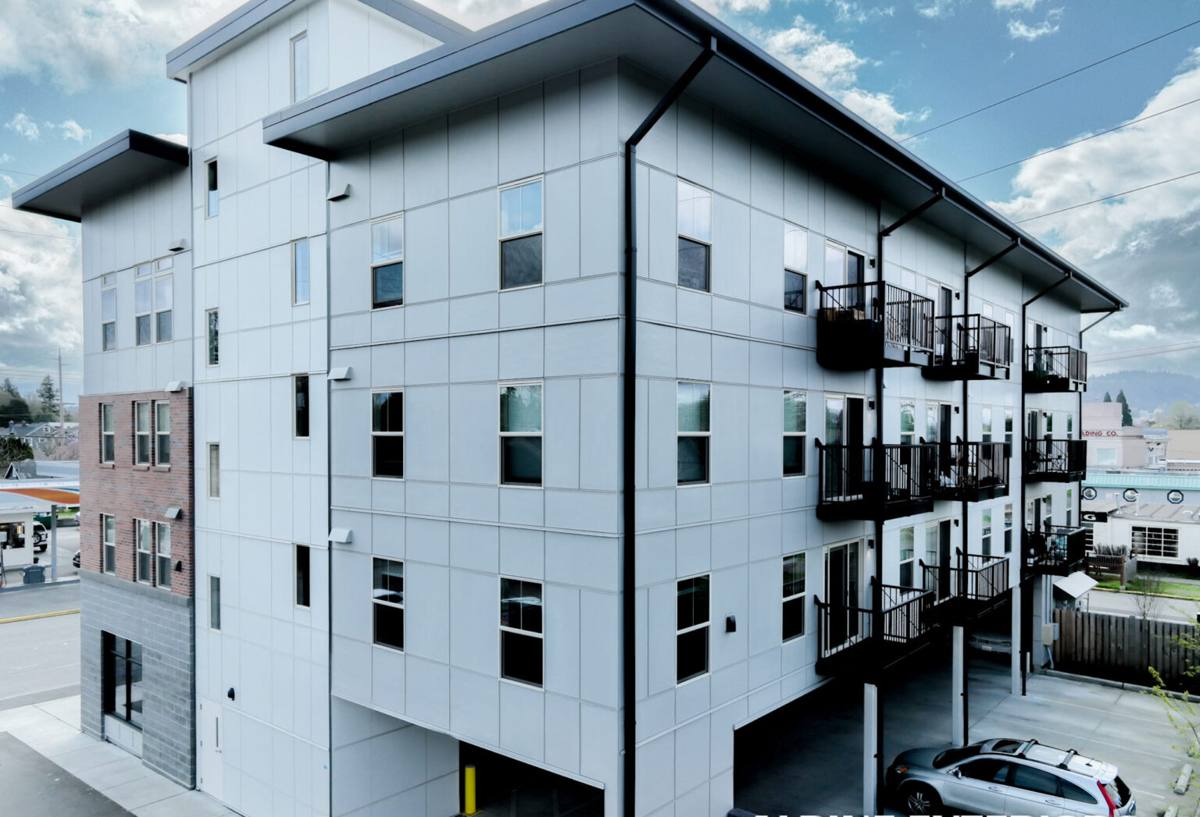
What St. Petersburg's Climate Does to Siding Over Time
Old Northeast sits close enough to Tampa Bay that its homes take on the same coastal exposure as anywhere else in the area. A few things compound on each other year after year:
- Hurricane-force wind events that test every fastener, seam, and piece of flashing on the exterior — not just during the storm itself, but from the wind-driven debris and pressure cycling that comes with it.
- Intense, near year-round UV exposure that breaks down paint film and lower-grade siding substrates faster than in most of the country, leading to chalking, fading, and premature cracking.
- Wind-driven rain that gets forced sideways and upward into laps, joints, and trim intersections that a calm-weather installation might never be tested against.
- Salt air carried inland off the Gulf and the bay, which accelerates corrosion on fasteners and metal flashing and speeds up the breakdown of anything not rated for coastal exposure.
None of that is unique to Old Northeast, but it hits older housing stock harder, because a lot of these homes were sided or re-sided decades ago under different codes, different products, and different assumptions about what Florida weather would do to a wall over 50 or 80 years.
What We Typically Find on Older Old Northeast Homes
Layers Hiding the Real Problem
It's common to find a home that's been sided over more than once — old wood lap under a later layer of siding, sometimes with insulation board sandwiched in between. Each layer traps moisture differently, and by the time we open the wall up, there's often rot or fastener corrosion that wasn't visible from the outside.
Wood Siding Fatigue
Original wood siding, even when well maintained, has a finite service life in this climate. Paint film failure from UV exposure lets water behind the boards, and once that starts, cupping, splitting, and soft spots follow. Repainting delays the problem but doesn't solve it once the substrate itself is compromised.
Moisture Behind the Cladding, Not On It
The damage that actually shortens a home's life is rarely the siding surface itself — it's what's happening in the wall cavity behind it. Poor or missing flashing at windows, doors, and butt joints lets wind-driven rain track behind the cladding, where it can sit against sheathing and framing for years before it's visible from the curb.
Why We Install Only James Hardie Fiber Cement
We made a deliberate decision not to install vinyl siding, LP SmartSide, Cemplank, Allura, or primed spruce and cedar. Each of those products has legitimate uses and each has real advocates in the industry — this isn't about calling them bad products. It's about what we've found holds up, install after install, in exactly the conditions Old Northeast homes sit in.
Where the Other Options Fall Short Here
Vinyl softens and can deform in sustained high heat and is limited in how it can be fastened to resist the wind pressures this area sees; it also can't be painted to match a historic color palette without voiding its warranty. LP SmartSide is an engineered wood product — well-engineered, but wood-based, which means it's more sensitive to sustained moisture exposure than fiber cement if flashing or caulking details are ever imperfect. Cemplank and Allura are also fiber cement, and reasonable products, but we standardized on one manufacturer's system so our crews install the same product, with the same details, every time — no guessing between different manufacturers' fastening schedules or trim compatibility. Primed spruce and raw cedar require an ongoing paint and moisture-management commitment that most owners underestimate, especially in a climate this hard on exterior wood.
What Hardie Gets Right for This Area
James Hardie fiber cement is non-combustible, dimensionally stable in heat and humidity, and doesn't support rot or insect damage the way wood-based products can. Its ColorPlus factory finish is baked on under controlled conditions and holds color far longer under intense UV than field-applied paint. Hardie's HZ5 product line is specifically engineered for high-humidity, hot climates like ours — it's not a one-size-fits-all national product. It also carries a strong, transferable limited warranty, which matters to buyers if the home ever sells.
| Factor | James Hardie Fiber Cement | Vinyl | Untreated Wood / Primed Spruce |
|---|---|---|---|
| UV / color retention | Factory ColorPlus finish, long fade resistance | Fades and chalks over time | Depends entirely on paint maintenance |
| Wind / storm performance | Engineered fastening system rated for high-wind zones | Can deform or blow off in sustained high winds | Performance depends on board condition and fastening |
| Moisture / rot behavior | Does not rot; stable in humidity | Does not rot itself, but traps moisture behind it | Vulnerable to rot once paint film fails |
| Ongoing maintenance | Occasional wash and caulk check | Low, but limited repair/repaint options | Repainting on a recurring cycle |
| Fire rating | Non-combustible | Combustible | Combustible |
What a Correct Installation Actually Involves
The material is only part of the equation. Most siding failures we're called out to inspect trace back to installation shortcuts, not the product itself. On an Old Northeast home, we typically work through:
Tear-Off and Sheathing Inspection
Removing the old siding down to the sheathing so we can actually see the framing and address any rot or fastener corrosion before it's covered up again — not just sided over.
Weather-Resistive Barrier and Flashing
A properly lapped weather barrier and correctly integrated flashing at every window, door, and penetration is what actually keeps wind-driven rain out of the wall. This is the step that gets skipped most often on rushed jobs, and it's the one that matters most in this climate.
Fastening to Manufacturer and Wind-Zone Spec
Hardie's installation instructions specify fastener type, spacing, and embedment depth, and those specs tighten up in high-wind zones like ours. Under-fastened or improperly nailed siding is a common cause of panels failing in storms that the product itself was rated to handle.
Joint and Trim Detailing
Butt joints, corners, and trim intersections need to be caulked and detailed correctly, or they become the exact entry points wind-driven rain is looking for. Getting this right is what separates a siding job that looks good on day one from one that still looks good and performs in ten years.
Keeping Old Northeast's Character While Upgrading Performance
A lot of owners in this neighborhood are understandably protective of their home's original look. Fiber cement lap siding is available in a range of exposure widths and profiles that can closely match the traditional narrow-lap or Dutch-lap look common to homes of this era, and Hardie trim boards can replicate traditional trim proportions around windows, corners, and fascia. The goal on a job like this isn't to modernize the home's appearance — it's to keep the character intact while replacing what's underneath it with something that will actually last.
Our Process, Start to Finish
- On-site inspection of the existing siding, trim, and (where accessible) the wall assembly behind it, so any surprises are identified before work starts, not during it.
- A written scope and estimate that spells out siding profile, trim details, color, and what's included — no vague allowances.
- Tear-off, sheathing inspection, and any necessary repair of rot or damaged framing before new material goes on.
- Weather barrier and flashing installation at every penetration and joint.
- Hardie siding and trim installed to manufacturer spec and wind-zone fastening requirements.
- Final walkthrough with the homeowner before we consider the job finished.
Why It Matters That We Already Work in Old Northeast
A crew that's worked this neighborhood before knows the general age and construction patterns of the housing stock, has a feel for the kind of trim and profile details that keep a re-sided home looking like it belongs on the street, and understands that older Pinellas County homes often need more than a surface-level look before a fair scope can be written. That familiarity shows up in fewer surprises mid-project and a finished result that fits the house instead of fighting it.
Questions to Ask Before You Sign a Siding Contract
- Is the estimate written to a specific product line and profile, or left vague?
- Does the scope include tear-off to the sheathing, or just siding over what's there?
- Is flashing at windows, doors, and joints explicitly included in the scope?
- What fastening schedule will be used, and is it appropriate for our wind zone?
- Is the manufacturer's warranty transferable if you sell the home?
- Can the contractor speak specifically to older, previously-resided homes like yours?
If your Old Northeast home's siding is showing its age — or you just want an honest read on what's actually happening behind it — we're glad to take a look and put together a straightforward, no-pressure estimate. Use the form below to get started.