 St. Petersburg Roofing
 Siding Built for Pinellas Point's Waterfront Exposure
Pinellas Point sits on a peninsula surrounded on three sides by water, which means homes here take a harder hit from the elements than siding just a few miles inland. Between Tampa Bay to the east and Boca Ciega Bay to the west, this stretch of St. Petersburg sees near-constant onshore breeze, direct Gulf-driven storm tracks, and some of the highest year-round UV exposure in the continental United States. Siding that would hold up fine in a milder climate often starts failing here within a decade — fading, cupping, or absorbing moisture it was never designed to handle.
We install James Hardie fiber cement siding exclusively, and Pinellas Point is exactly the kind of neighborhood that explains why. This page covers what local homes actually need from their siding, what a correctly done installation involves, and how our process works from first inspection to final walkthrough.
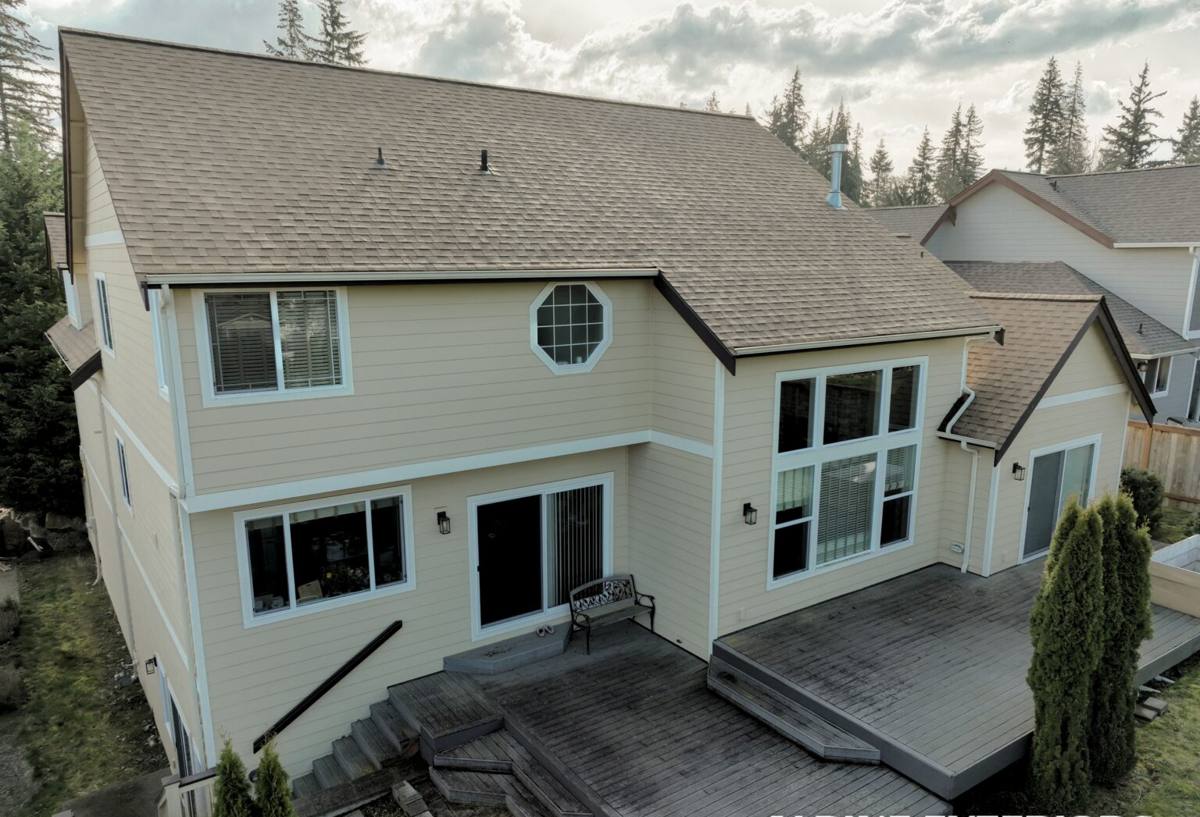
What the Climate Does to Siding in This Neighborhood
Salt Air and Corrosion
Homes within a mile or two of open water are exposed to airborne salt that settles on exterior surfaces and accelerates the breakdown of fasteners, trim, and lower-grade siding materials. Salt exposure doesn't just affect metal — it also speeds up the degradation of caulking, paint film, and wood-based products, which is part of why we're selective about what fastener hardware and trim systems we pair with our siding installs in this area.
Wind-Driven Rain
St. Petersburg's storms rarely fall straight down. Wind pushes rain sideways into wall assemblies, and siding that isn't installed with the right overlaps, flashing, and water-resistive barrier underneath will eventually let moisture behind the cladding. Once water gets behind siding, the damage often shows up in the sheathing and framing long before it's visible on the surface.
Hurricane-Force Wind Loads
Pinellas County sits in a hurricane-prone wind zone, and siding attachment has to be engineered — not eyeballed — to survive sustained wind events and wind-blown debris. Fastener spacing, panel overlap, and edge treatment all matter more here than in low-wind regions, and it's a place where cutting corners during installation becomes obvious the first time a real storm comes through.
Year-Round UV Load
Florida's sun doesn't take a season off. Constant UV exposure breaks down pigments and surface coatings over time, which is why factory-applied, baked-on finishes hold their color far longer than field-applied paint on siding that's exposed to this much sun.
Why We Install Only James Hardie Fiber Cement
We don't install vinyl, LP SmartSide, Cemplank, Allura, or primed wood siding, and that's a deliberate standard, not a lack of options. In a climate like Pinellas Point's, the trade-offs of those products — moisture sensitivity, shorter finish life, combustibility, or warranty limitations — show up faster than they would somewhere drier and calmer. James Hardie fiber cement is non-combustible, dimensionally stable in humidity swings, and available in ColorPlus finishes that are baked on at the factory rather than applied on-site, which matters enormously under Florida sun. It's also engineered in climate-specific HZ formulations designed for exactly the humidity and moisture conditions found along the Gulf Coast. When we recommend a product for a Pinellas Point home, this is what we put on it — and it's what we'd choose for our own homes in this neighborhood.
What a Correct Siding Installation Actually Involves
Siding installation is often judged by how it looks the week it's finished. The real test is how it performs after five years of Gulf Coast summers and a few tropical systems. A correct install includes several steps that aren't visible once the job is done but determine whether the siding lasts:
- Full removal of failing siding and inspection of the sheathing underneath for hidden moisture or rot damage
- Repair or replacement of any compromised sheathing before new material goes up
- Installation of a continuous water-resistive barrier, lapped correctly to shed water downward and outward
- Proper flashing at every window, door, and roof-to-wall transition — the most common failure points in wind-driven rain
- Fastening according to manufacturer and local wind-zone specifications, not generic spacing
- Correct panel or plank overlap and joint treatment to prevent water intrusion at seams
- Factory-finished material installed with the manufacturer's specified caulking and touch-up process, preserving the warranty
Skipping or rushing any one of these steps is usually what separates siding that lasts twenty-plus years from siding that needs attention again in five.
Our Installation Process, Step by Step
1. On-Site Inspection and Assessment
We start by walking the exterior of the home, checking existing siding condition, looking for signs of moisture intrusion, and assessing wall assembly and exposure — a home a block from Boca Ciega Bay gets evaluated differently than one set further back from the water.
2. Product and Line Selection
We walk homeowners through the relevant Hardie product lines, profiles, and ColorPlus color options based on the home's architecture and exposure, and provide a written scope before any work begins.
3. Tear-Off and Substrate Inspection
Old siding comes off down to the sheathing so we can actually see what's underneath — this step is where hidden moisture damage from a previous, improperly flashed installation often surfaces.
4. Weather Barrier and Flashing
We install a continuous water-resistive barrier and detail flashing at every penetration and transition before a single piece of siding goes up.
5. Siding Installation
Panels or planks go up to manufacturer and wind-zone fastening specifications, with attention to joint placement, overlap, and clearance from grade, decking, and rooflines.
6. Trim, Caulk, and Finish Detail
Trim boards, corners, and caulked joints are finished using Hardie-approved sealants compatible with the factory finish, so the color and texture stay uniform.
7. Final Walkthrough
We walk the completed exterior with the homeowner, review the workmanship and material warranties, and cover basic care going forward.
Choosing the Right Hardie Line for a Pinellas Point Home
James Hardie makes several siding profiles, and the right one depends on the home's style and exposure rather than a single default choice:
| Product | Look | Best fit |
|---|---|---|
| HardiePlank lap siding | Traditional horizontal lap | Most single-family homes; widest color and texture range |
| HardiePanel vertical siding | Clean vertical lines | Modern or Florida coastal-style homes, accent walls |
| HardieShingle siding | Staggered or straight shingle look | Gables, dormers, accent detailing |
| Board and batten (panel-based) | Vertical planks with raised battens | Coastal and farmhouse-style exteriors |
All of these come in Hardie's ColorPlus factory-finish system, which resists the fading that direct Florida sun causes on field-painted surfaces.
What Drives Siding Installation Cost
Every home is different, but the same general factors move the price up or down on most Pinellas Point projects:
| Factor | Why it matters |
|---|---|
| Home size and wall complexity | More corners, gables, and trim detail mean more labor and cut waste |
| Existing sheathing condition | Moisture or rot damage found during tear-off requires repair before install |
| Product line and profile | Plank, panel, and shingle profiles carry different material costs |
| Height and access | Two-story walls and tight lot lines require more scaffolding and time |
| Trim and detail scope | Full trim replacement adds cost versus reusing sound existing trim |
We give a written, itemized estimate after the on-site inspection rather than a rough number over the phone, since these factors vary so much house to house.
Signs a Pinellas Point Home May Need New Siding
Coastal exposure tends to show up in specific ways before siding fully fails. Worth checking for:
- Cupping, warping, or visible gaps between boards or panels
- Soft spots or give when pressed near the bottom of walls or below windows
- Persistent staining, streaking, or dark patches that don't wash off
- Cracked or missing caulk at joints, corners, and window trim
- Peeling or chalky paint film on older painted siding
- Rising utility bills that may point to a compromised wall assembly
- Visible rust streaking from fasteners on the siding surface
Catching these early usually means a more limited repair; waiting often turns it into a full replacement once sheathing damage sets in.
Why a Crew That Already Works This Neighborhood Matters
Siding installation isn't a one-size-fits-all trade, especially this close to the water. A crew that regularly works Pinellas Point and the surrounding St. Petersburg waterfront neighborhoods already understands the wind-zone fastening requirements for this part of Pinellas County, has a feel for how salt air and sun exposure differ block by block depending on distance from the bay, and knows what local permitting and inspection expect. That familiarity shows up in fewer surprises during tear-off, fewer callbacks after the first storm season, and a finished exterior that's actually built for the conditions it has to survive here — not a generic install dropped into a coastal climate it wasn't specified for.
Caring for Hardie Siding After Installation
Fiber cement siding is low-maintenance compared to wood or vinyl, but it isn't zero-maintenance in a salt-air environment. A simple annual routine keeps it performing as designed: rinse down the exterior periodically to clear salt residue and airborne grime, inspect caulked joints and trim intersections once a year for cracking or separation, and address any impact damage promptly so moisture doesn't find a way behind the panel. None of this is heavy work, but skipping it in a coastal climate shortens the runway before issues start.
If your Pinellas Point home's siding is showing its age or you're planning ahead of the next storm season, we're happy to walk the exterior with you and put together a straightforward, no-pressure estimate — just fill out the form below.