 St. Petersburg Roofing
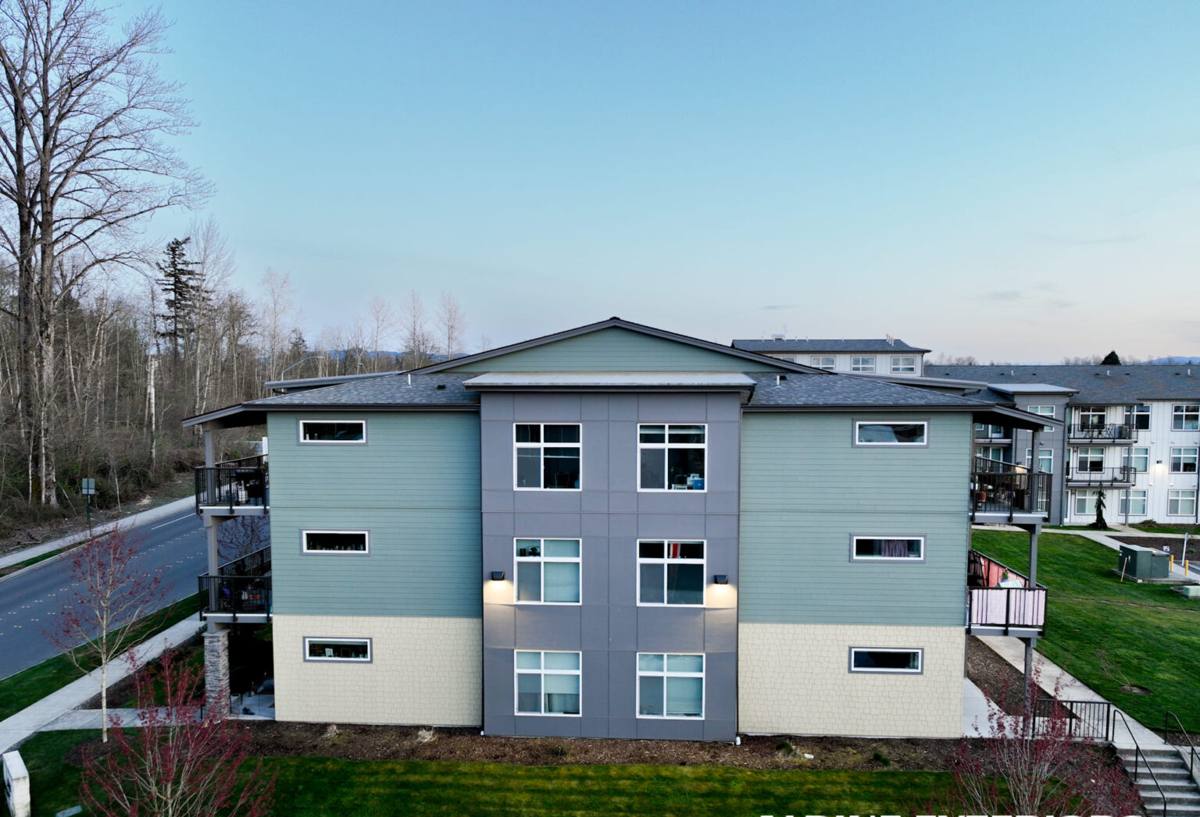
 Siding Repair for Childs Park Homes
Childs Park is one of St. Petersburg's older, established residential neighborhoods, and that matters when it comes to siding. Homes here span several decades of construction, which means the siding on any given block can be anything from original wood lap to vinyl retrofits to newer fiber cement. Whatever is on your walls right now, Pinellas County's climate has been working against it every single day it's been up. When damage shows, the fix needs to match both the material you have and the conditions it has to survive going forward.
This page covers what siding repair actually involves for a Childs Park home, how we approach it, and when repair makes sense versus when it's time to talk about replacement.
Why Siding Fails Faster Here Than in Most of the Country
St. Petersburg sits in a climate that punishes exterior building materials in several ways at once, and Childs Park gets the same exposure as anywhere else in the city:
- Hurricane-force wind events that pry at panel edges, fasteners, and trim, loosening siding even when it doesn't visibly fail during the storm itself.
- Wind-driven rain that gets forced sideways and upward under laps and seams that were never designed to handle water moving in that direction.
- Intense, near-constant UV exposure that breaks down paint films, fades color, and dries out caulk and wood fiber faster than in northern climates.
- Salt-laden air that, even several miles from the water, accelerates corrosion of fasteners and metal trim and speeds up the breakdown of lower-quality siding substrates.
Individually, each of these is manageable. Together, year-round, they're why siding that might last 30-plus years in a mild climate can show serious problems in half that time here if it wasn't installed correctly or wasn't rated for this kind of exposure.
What This Looks Like on a Real Wall
The damage we're typically called out for in this part of St. Petersburg falls into a few recurring categories:
- Cracked, buckled, or warped panels from heat cycling and moisture intrusion behind the surface
- Soft or spongy spots where water has been getting behind siding and rotting the substrate or sheathing underneath
- Wind damage — panels pulled loose, corners lifted, trim separated from the wall
- Chalking, fading, or peeling paint from years of direct UV exposure
- Gaps at seams, corners, and around windows where old caulk has dried out and cracked
- Bubbling or delamination on lower-grade composite or engineered wood products that were never meant for this level of moisture exposure
What a Correct Repair Actually Involves
A lot of siding "repair" done cheaply is really just cosmetic patching — caulk over a crack, a quick paint touch-up, a panel nailed back on without checking what's underneath. That approach hides a problem instead of fixing it, and in this climate it comes back fast. A repair worth doing includes:
1. Diagnosing What's Actually Wrong
Visible damage is often a symptom, not the root cause. A cracked or buckled panel can mean the siding itself failed, or it can mean water has been getting behind it for months and the sheathing or framing underneath is compromised. We check both before quoting a fix.
2. Checking the Water Management Behind the Siding
Siding is only one layer of a wall's defense against water. Behind it should be a proper weather-resistant barrier, correctly lapped flashing at windows, doors, and penetrations, and clear drainage paths so any moisture that does get behind the surface can escape. If that layer is damaged or was installed wrong originally, replacing the visible siding without addressing it just resets the clock on the same failure.
3. Matching or Replacing Material Correctly
If the existing siding is still sound and just needs section repair, we match the profile, reveal, and finish as closely as possible. If the material itself is the problem — undersized wood, degraded composite, damaged vinyl that's become brittle from UV — patching it is a short-term band-aid, and we'll tell you that honestly rather than sell you a repair we know won't hold.
4. Proper Fastening and Sealing for Wind Exposure
Given how often this area sees serious wind, repairs need to be fastened to hold under real load, not just look right from the ground. Sealants and caulk joints need to be rated for continuous UV and moisture exposure, not standard-grade product that dries out in a season or two.
| Situation | Repair Usually Makes Sense | Replacement Should Be Considered |
|---|---|---|
| Damage extent | Isolated to a few panels or one wall section | Widespread across multiple walls or the whole exterior |
| Underlying sheathing | Sound, no rot found on inspection | Soft, rotted, or water-damaged in multiple spots |
| Age of existing siding | Well within expected service life | Near or past the material's realistic lifespan |
| Cause of damage | One-time event (storm impact, accident) | Ongoing moisture or UV breakdown across the material |
| Material condition | Still holding paint/finish, not brittle | Chalking, delaminating, or crumbling at edges |
Our Process for Childs Park Repair Calls
- On-site inspection — we look at the damaged area and check adjacent sections and the wall assembly behind it, not just the spot you called about.
- Honest assessment — you get a clear explanation of what's causing the damage, whether it's isolated, and whether repair or replacement is the responsible recommendation.
- Written scope and estimate — no vague "we'll figure it out on site" pricing. You know what's being done and what it covers before work starts.
- Repair work — matched materials where possible, correct fastening, proper flashing and sealing at every seam and penetration we touch.
- Final check — we confirm the repaired area sheds water correctly and the surrounding siding wasn't compromised during the work.
Why It Matters That We Already Work in This Neighborhood
Repair work isn't just about knowing how to nail up a panel — it's about knowing what tends to go wrong on homes of a certain age and construction style in a specific area, and being able to spot it fast. A crew that's already worked on siding throughout St. Petersburg's older neighborhoods recognizes the difference between cosmetic wear and a moisture problem that's about to get expensive, and knows what's typically hiding behind different eras of siding in Pinellas County homes. That experience shortens the time between "something looks off" and an accurate diagnosis, and it means fewer surprises once a wall gets opened up.
It also matters for scheduling. St. Petersburg sees spikes in siding repair calls after major wind events, and a crew with local routes and local relationships can often get to storm-related damage faster than one traveling in from outside the area — which matters when an exposed wall is left open to more wind-driven rain.
When Repair Isn't the Long-Term Answer
Part of being straight with homeowners is telling you when repair is throwing good money after bad. If we find rot spreading behind multiple sections, siding that's failing across the whole exterior rather than in one spot, or a material that simply wasn't built to hold up to Florida's UV and moisture cycle, patching it piece by piece usually costs more over a few years than a planned replacement would have.
When that conversation comes up, our recommendation is James Hardie fiber cement siding, and it's the only siding system we install. It's non-combustible, engineered specifically for high-humidity, high-UV climates like ours, finished in a factory-applied ColorPlus finish that holds color far longer than field-applied paint, and backed by a strong transferable warranty. We don't install vinyl, LP SmartSide, Cemplank, Allura, or primed wood siding — not because those products have no merit, but because after years of repair calls in this exact climate, we've standardized on the one system we're confident holds up to Pinellas County conditions when installed correctly. If your existing siding is past the point of reasonable repair, that's the direction we'll walk you through.
What Homeowners Should Check Before Calling Anyone
- Are there soft or spongy spots when you press on the siding near the damage?
- Is there discoloration or staining on interior walls near the same exterior section?
- Are seams, corners, or trim pieces visibly separated or gapped?
- Has paint or finish started chalking, peeling, or fading unevenly in that area?
- Did the damage appear suddenly after a storm, or has it been getting worse gradually?
Answering those questions honestly helps set expectations before a contractor even shows up — and it helps us diagnose faster once we do.
If you've got damaged, aging, or storm-affected siding on a Childs Park home, we're glad to take a look and give you a straight answer on repair versus replacement. Reach out for a free, no-pressure estimate using the form below.